CWSF · 2026
Environment & Climate Change
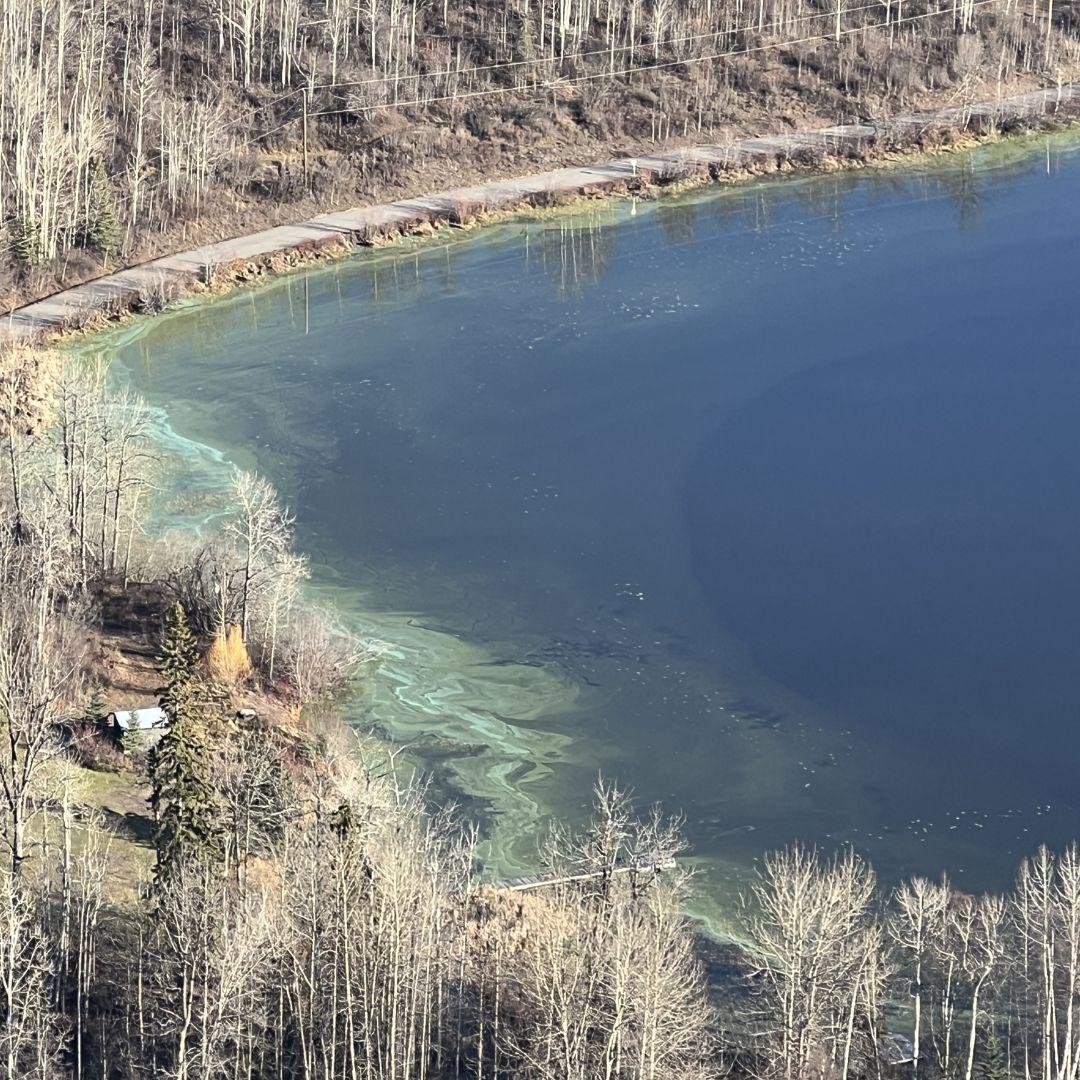
Can biochar be used to create an effective septic system filter? I live on Seymour Lake, where we experience harmful algae blooms, so this is an important question for my community. Most pho…
CWSF · 2026
Environment & Climate Change
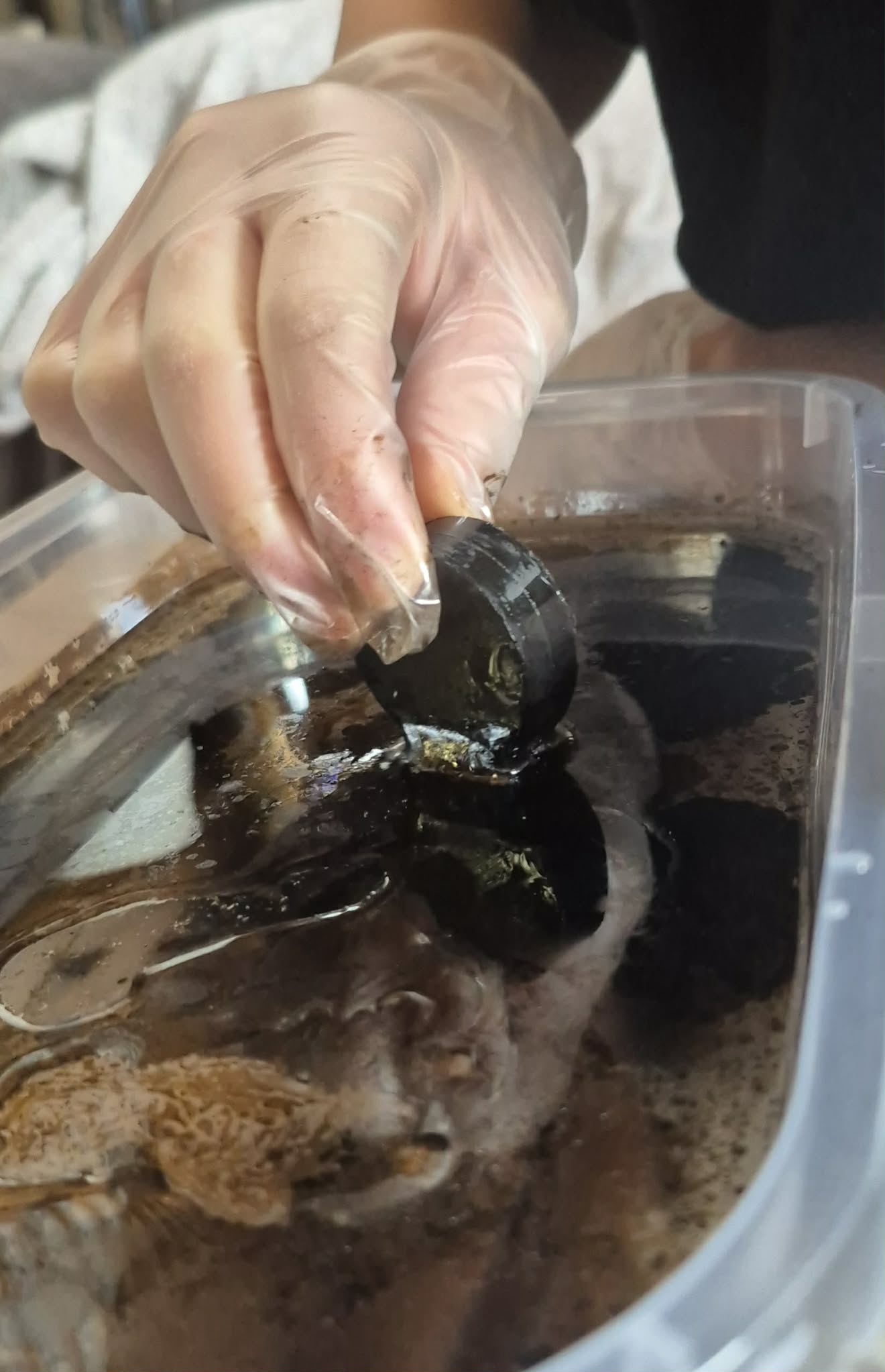
An Attractive Solution: An innovative way to clean up oil spills How can we clean up oil spills with nano technology? Using small scale experiments with ferro fluid, testing was done to see…
CWSF · 2026
Environment & Climate Change
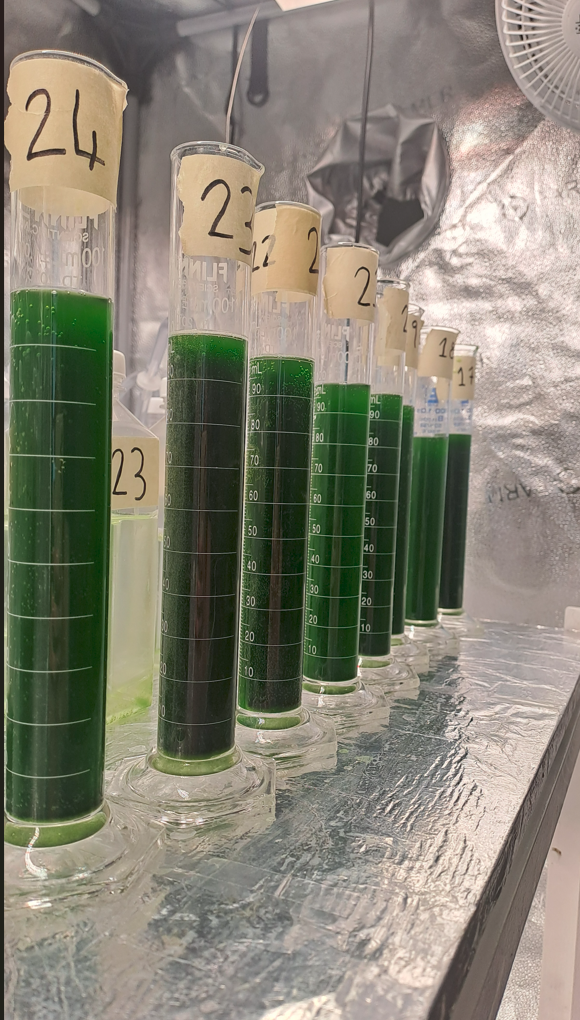
This project explores a new way to boost algae so it can clean polluted water and capture carbon much faster. I built 32 mini bioreactors and experimented with Chlorella vulgaris by adding g…
CWSF · 2026

Environment & Climate Change
Every year, millions of tonnes of tiny plastic pieces called microplastics pollute harbours, lakes, and oceans, harming fish, birds, and the ecosystems people depend on. Harbours are especia…
CWSF · 2026
Environment & Climate Change
Bronze Medal
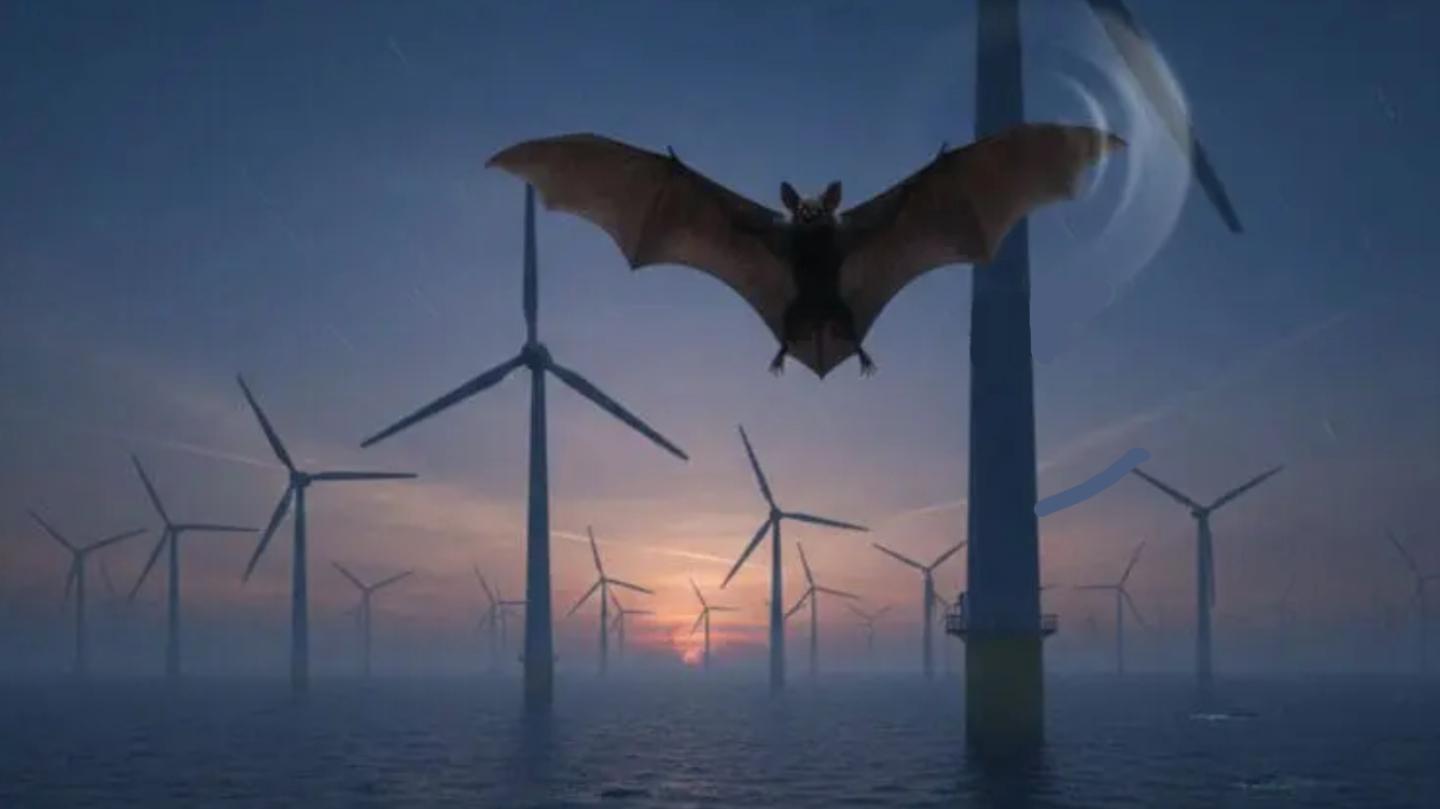
Bat collisions with wind turbines are a growing environmental concern. Although several strong, evidence-based theories explain why bats are attracted to wind turbines, no single reason expl…
CWSF · 2026
Environment & Climate Change
Bronze Medal
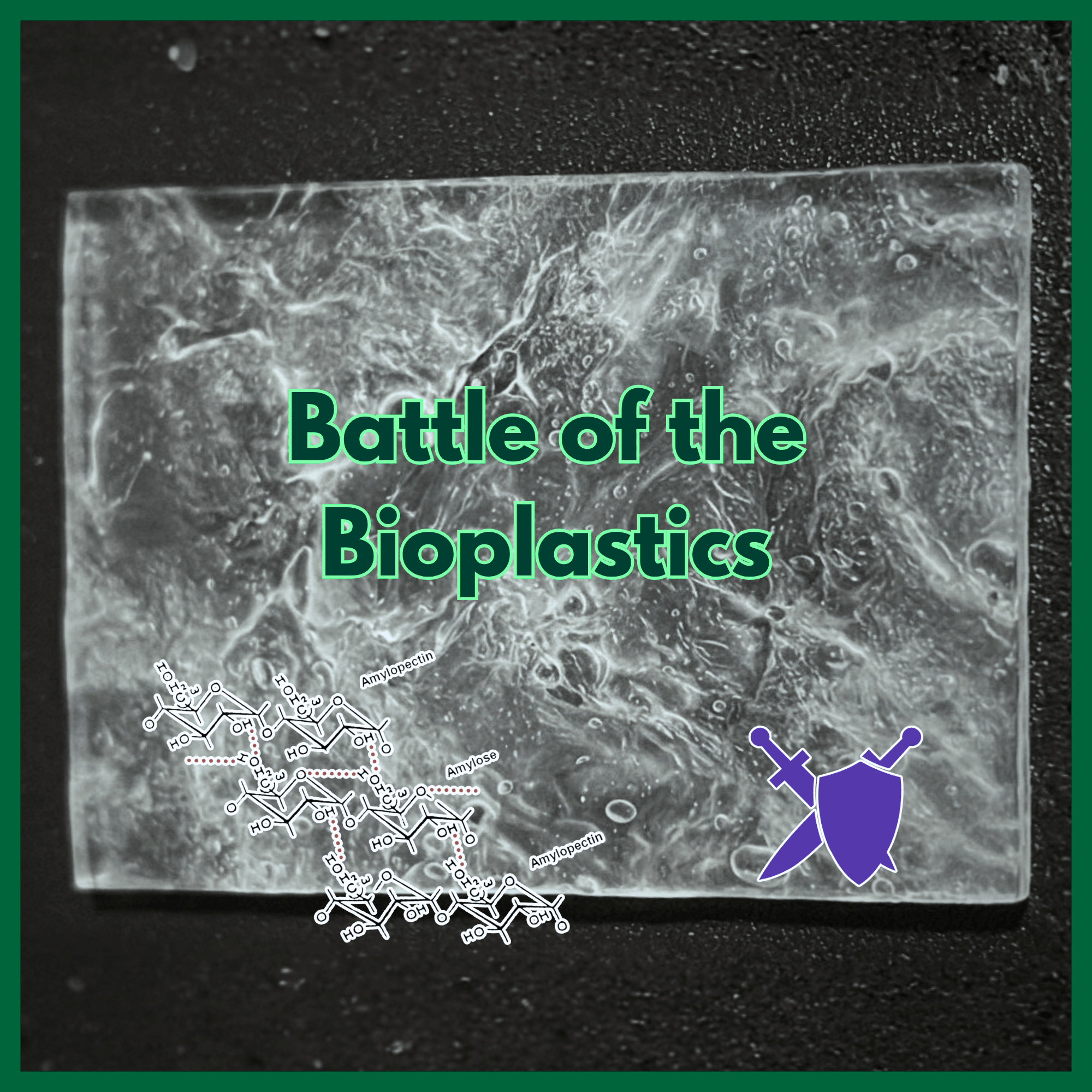
Plastic pollution is one of the biggest environmental problems we face today, yet only 9% of plastic ever gets recycled (OECD, 2022). Plastics serve countless purposes — from food packaging…
CWSF · 2026
Environment & Climate Change
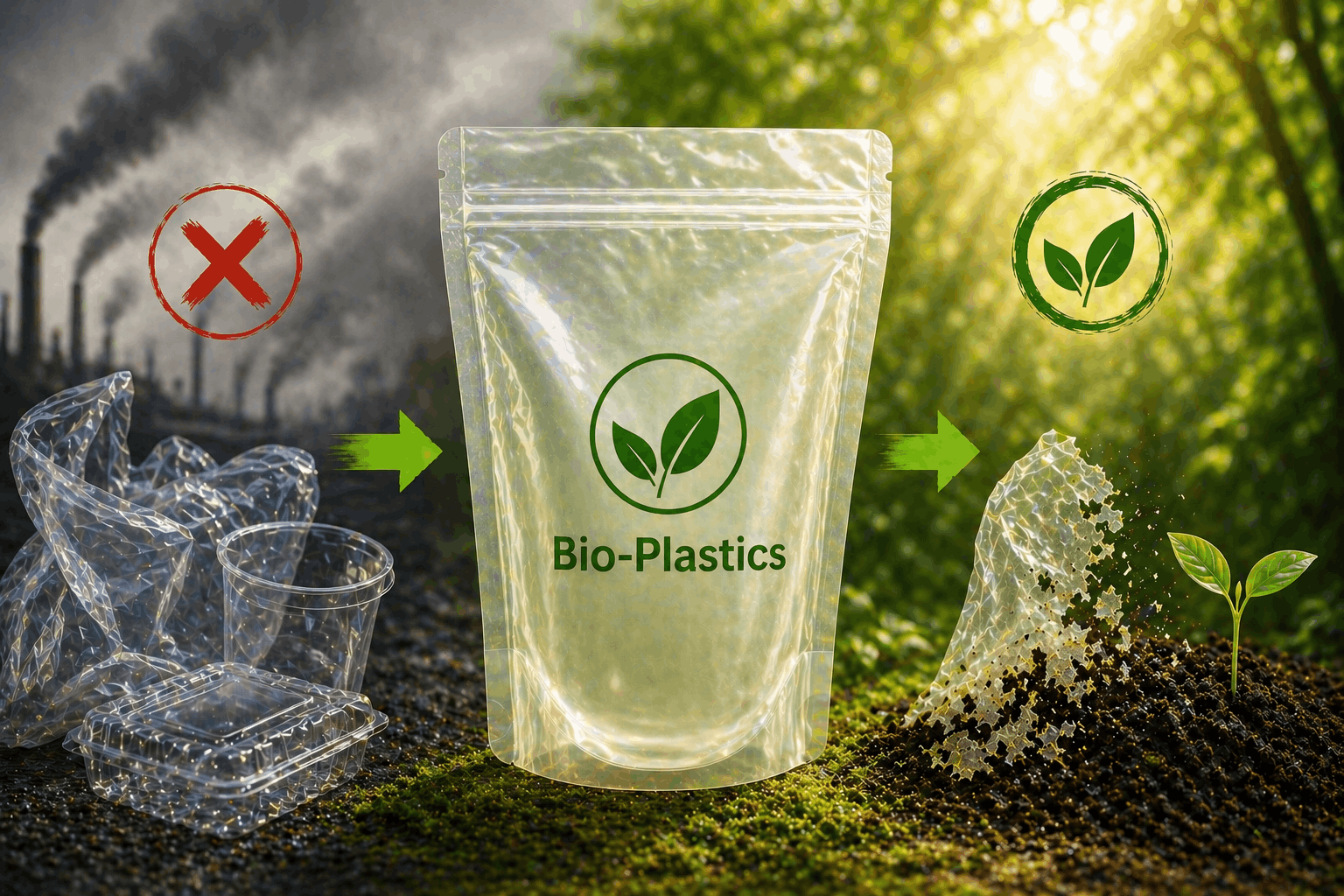
The bioplastics project is a solution to plastic waste produced in the food industry using biodegradable plastic alternatives. It helps decrease greenhouse gas emissions, reduce the use of f…
CWSF · 2026
Environment & Climate Change
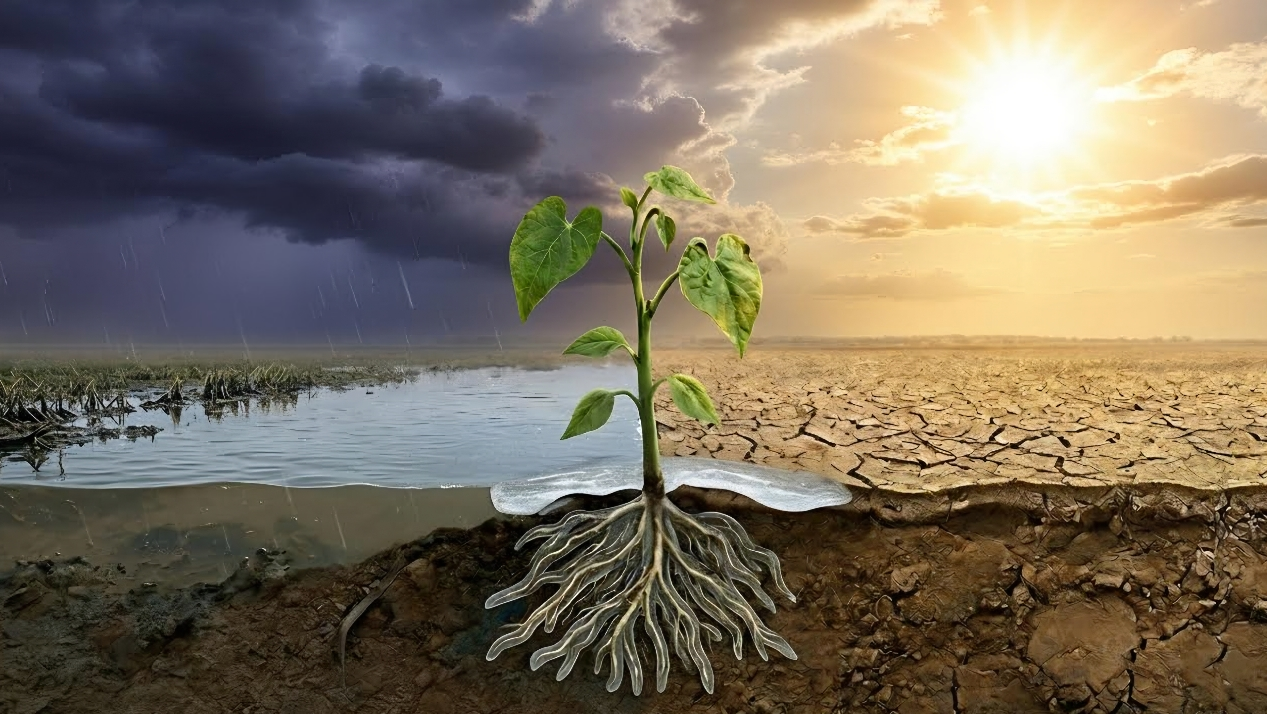
Have you ever witnessed the transformation of a dry, desert-like farm into a flooded one within a short period of time? I was determined to find a method to save our food from such rapid cha…
CWSF · 2026

Environment & Climate Change
We studied how effective dry dams were at reducing water velocity in a watershed district that has elevated landforms with tributaries leading towards Manitoba's 10th largest lake (Dauphin L…
CWSF · 2026

Environment & Climate Change
Bronze Medal
Due to climate change, the tick population in Canada is rising rapidly, increasing the risk of tick-borne illnesses such as Lyme disease. The goal of this project was to find an environmenta…
CWSF · 2026
Environment & Climate Change
Bronze Medal
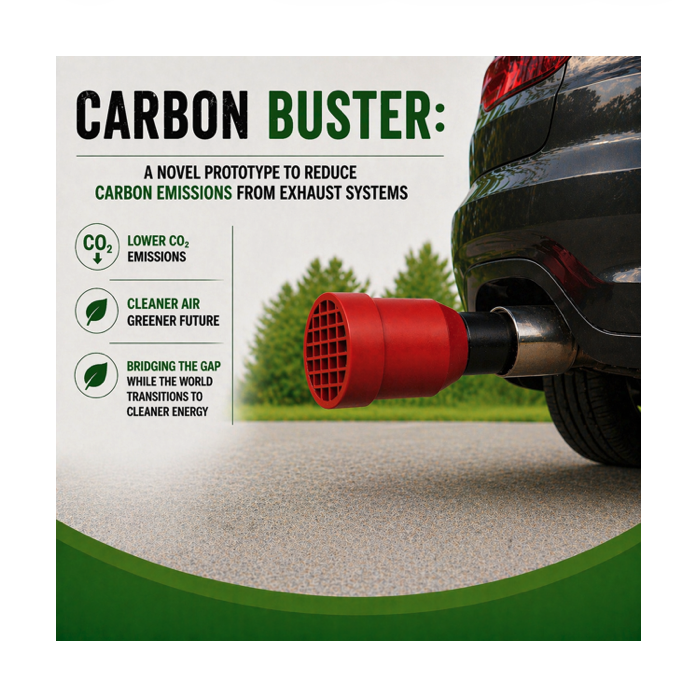
Carbon dioxide from combustion engines is a major contributor to climate change. I initially designed a system that used chemical reactions to absorb and trap carbon dioxide. Exhaust gas bub…
CWSF · 2026

Environment & Climate Change
Bronze Medal
I studied how to turn natural light from marine bioluminescent algae into a safe and useful lighting system. This type of light, called bioluminescence, usually fades very quickly, which mak…
CWSF · 2026
Environment & Climate Change
Bronze Medal
Freezing rain can build up on power lines and cause serious damage, leading to power outages that affect safety, cost money, and disrupt services. In this project, I studied whether eco-frie…
CWSF · 2026
Environment & Climate Change
Protecting (nipiy): Clean water is something many people take for granted. But for some First Nations communities in Canada, safe drinking water is still not always guaranteed. My project ex…
CWSF · 2026
Environment & Climate Change
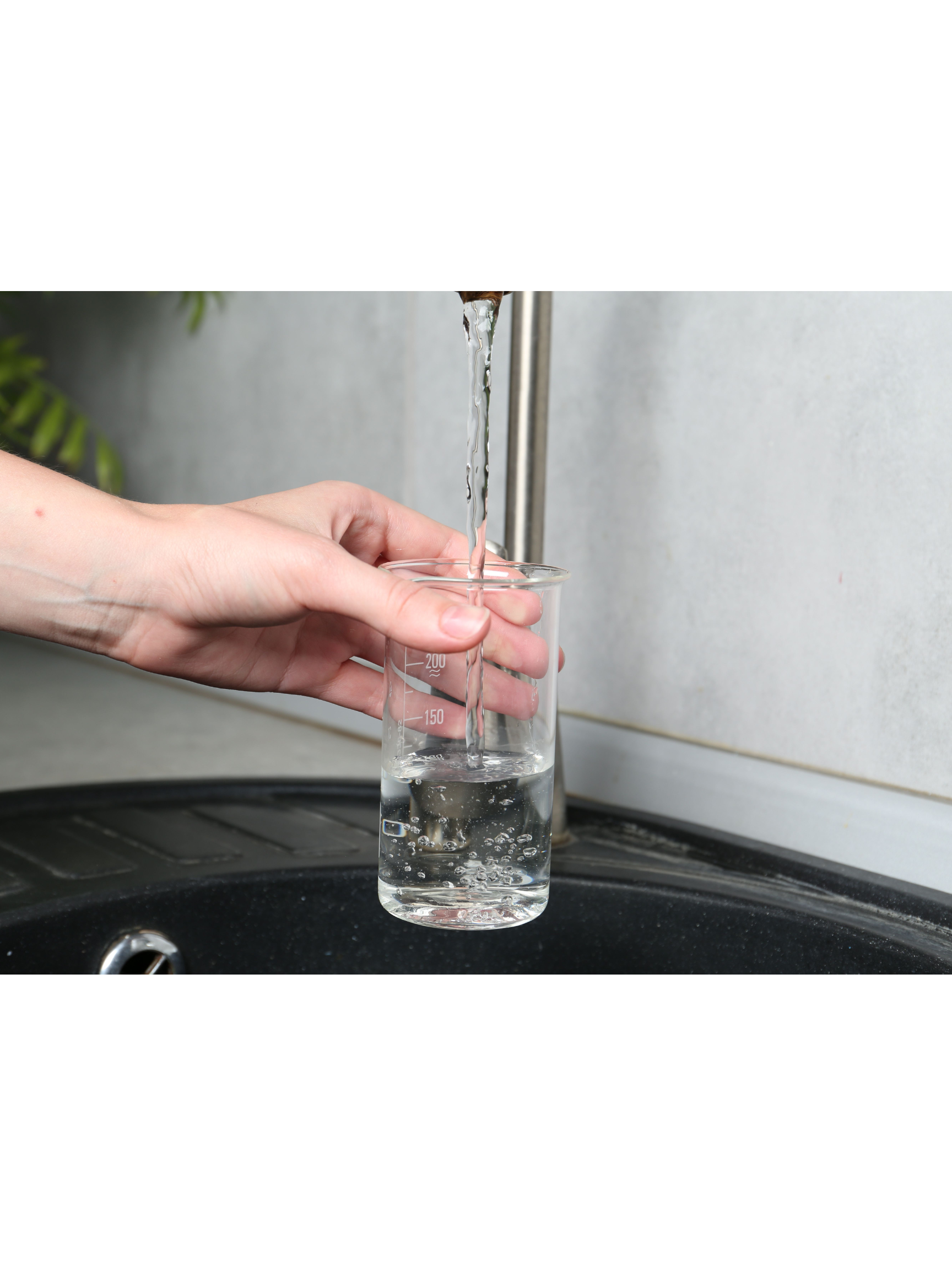
This project examines the presence of microplastics in drinking water, including methods for their identification, potential impacts on human health, and comparisons with other research find…
CWSF · 2026
Environment & Climate Change
Have you ever wondered how much plastic stays on Earth long after it is used? To help solve the planet's waste problem, bioplastics were created using everyday food waste like banana peels,…
CWSF · 2026
Environment & Climate Change
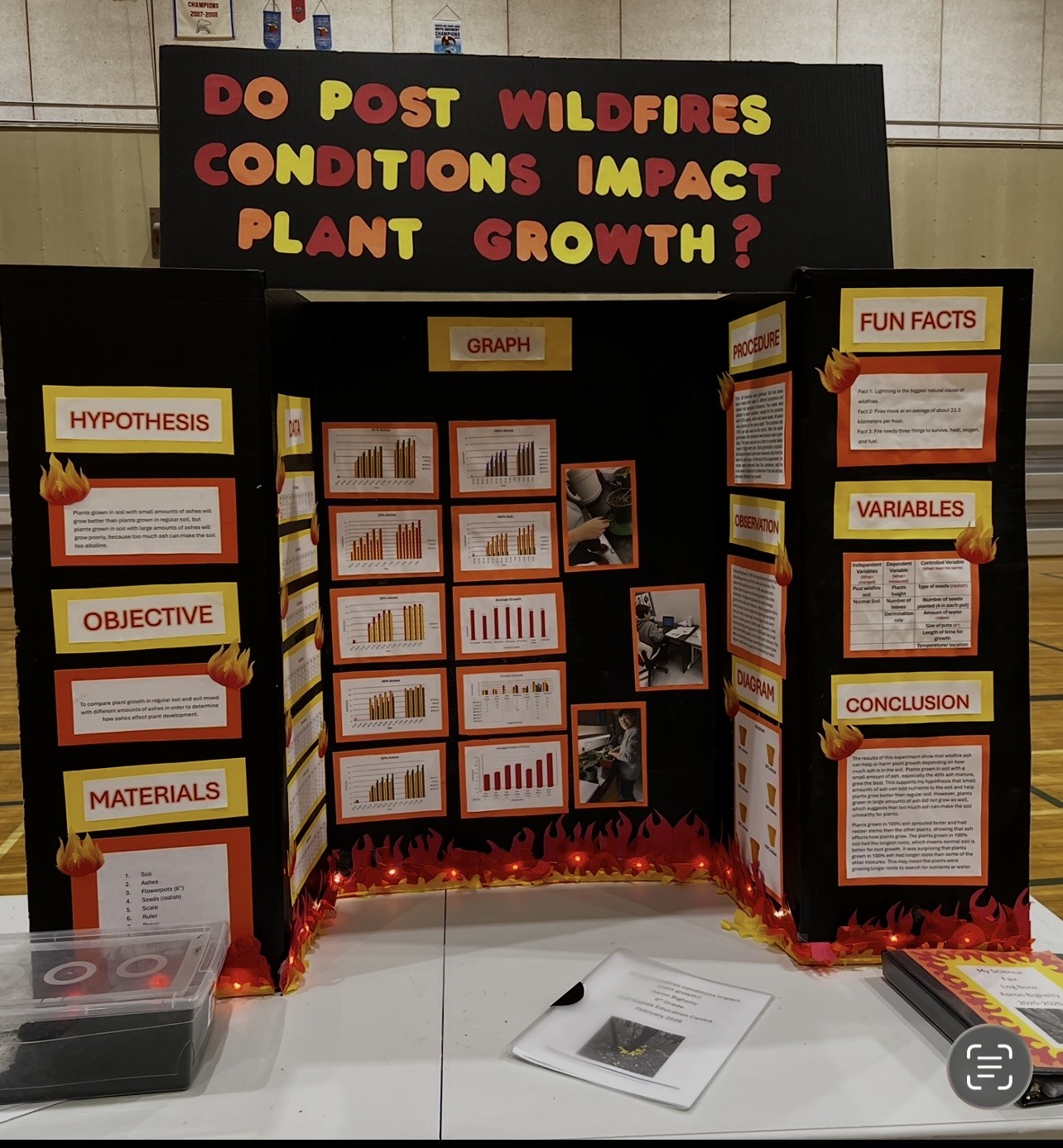
My community of Leaf Rapids was severely impacted by wildfires last year. I see the effects of our burned forests every day. This project studied how ash from fires affects plant growth. I g…
CWSF · 2026

Environment & Climate Change
Bronze Medal
Problem: Traditional water testing is a long process. By the time the lab finds a contaminant, people may have already drunk the water, or it may have affected the environment. We need a way…
CWSF · 2026
Environment & Climate Change
Bronze Medal
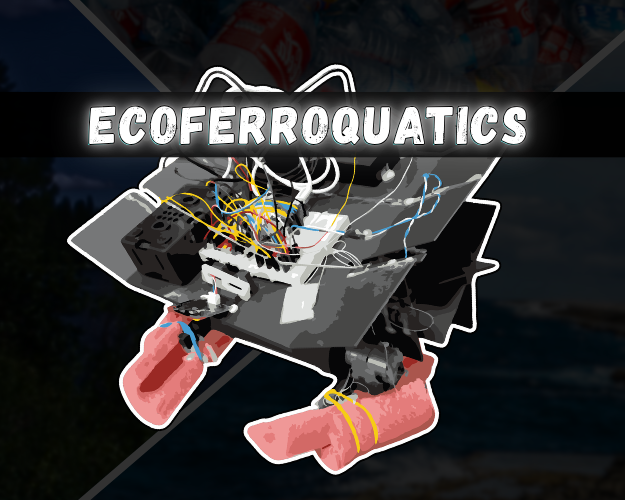
11 million tonnes of plastic enter our oceans every year. To recover these plastics, we employ problematic methods such as nets, traps, skimmers, and filters. Relying on manual labour, they…
CWSF · 2026
Environment & Climate Change
Bronze Medal
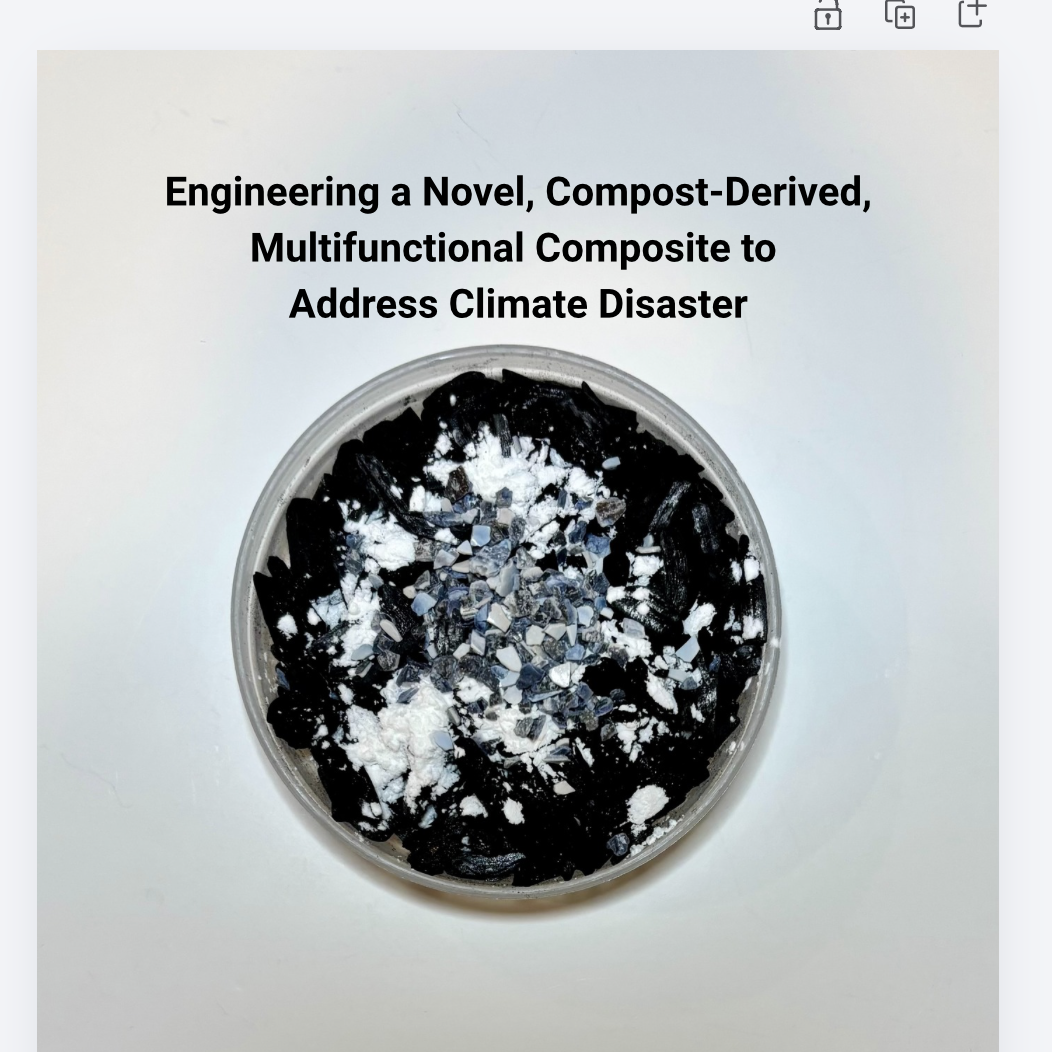
Global warming is causing climate disasters in Canada. The present study builds on previous science fair research by engineering a novel product from compost material to limit the effects of…
CWSF · 2026
Environment & Climate Change
Silver Medal
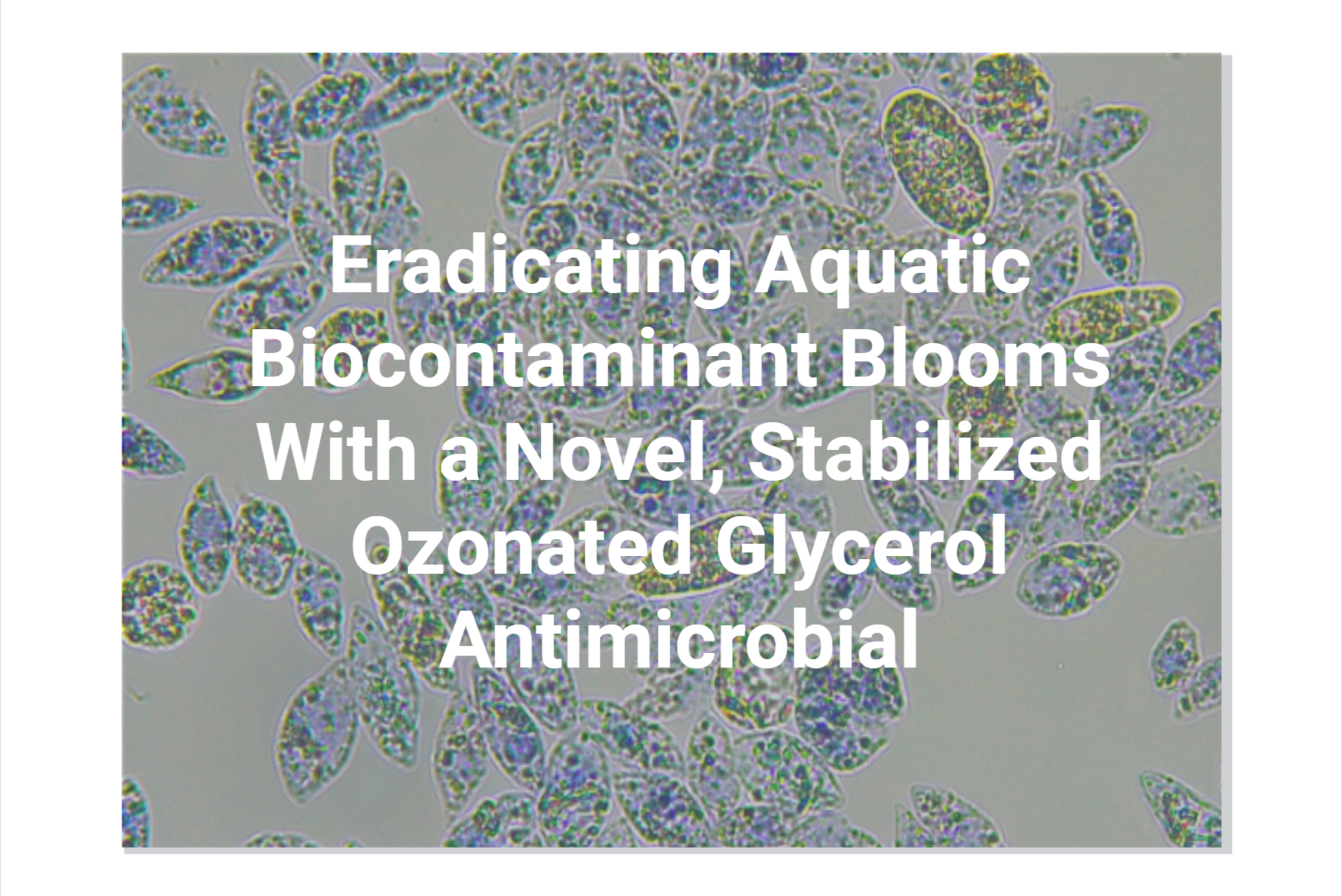
Water biocontamination is a global health crisis. The microbial blooms in biocontaminated water cause many different infectious diseases and lead to over 1.7 million annual deaths worldwide.…
CWSF · 2026
Environment & Climate Change
Gold Medal
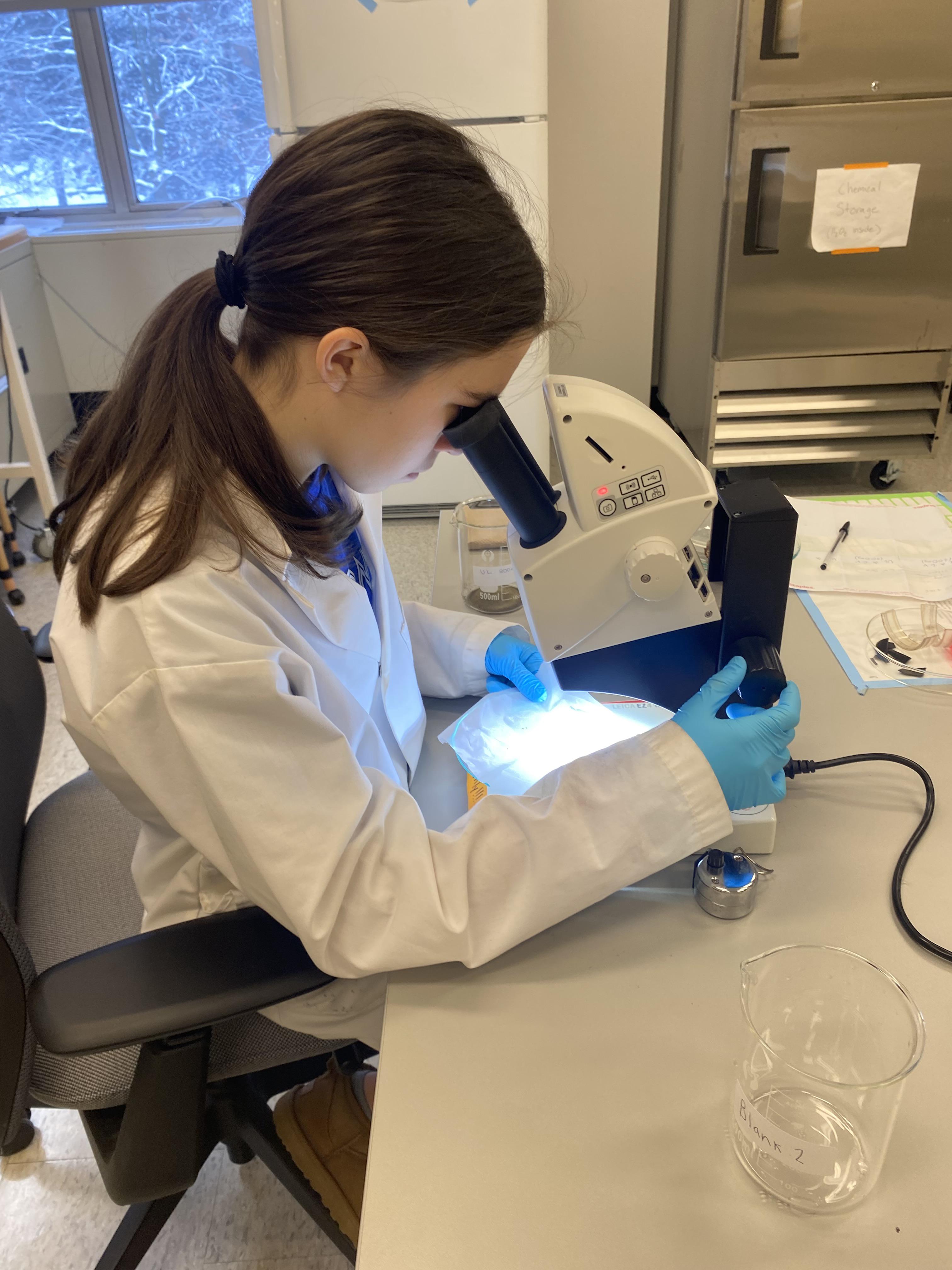
Microplastics (MPs), are emerging as a significant environmental and health pollutant of increasing global concern. MPs, defined as tiny water-insoluble plastic particles less than 5mm in si…
CWSF · 2026
Environment & Climate Change
Bronze Medal
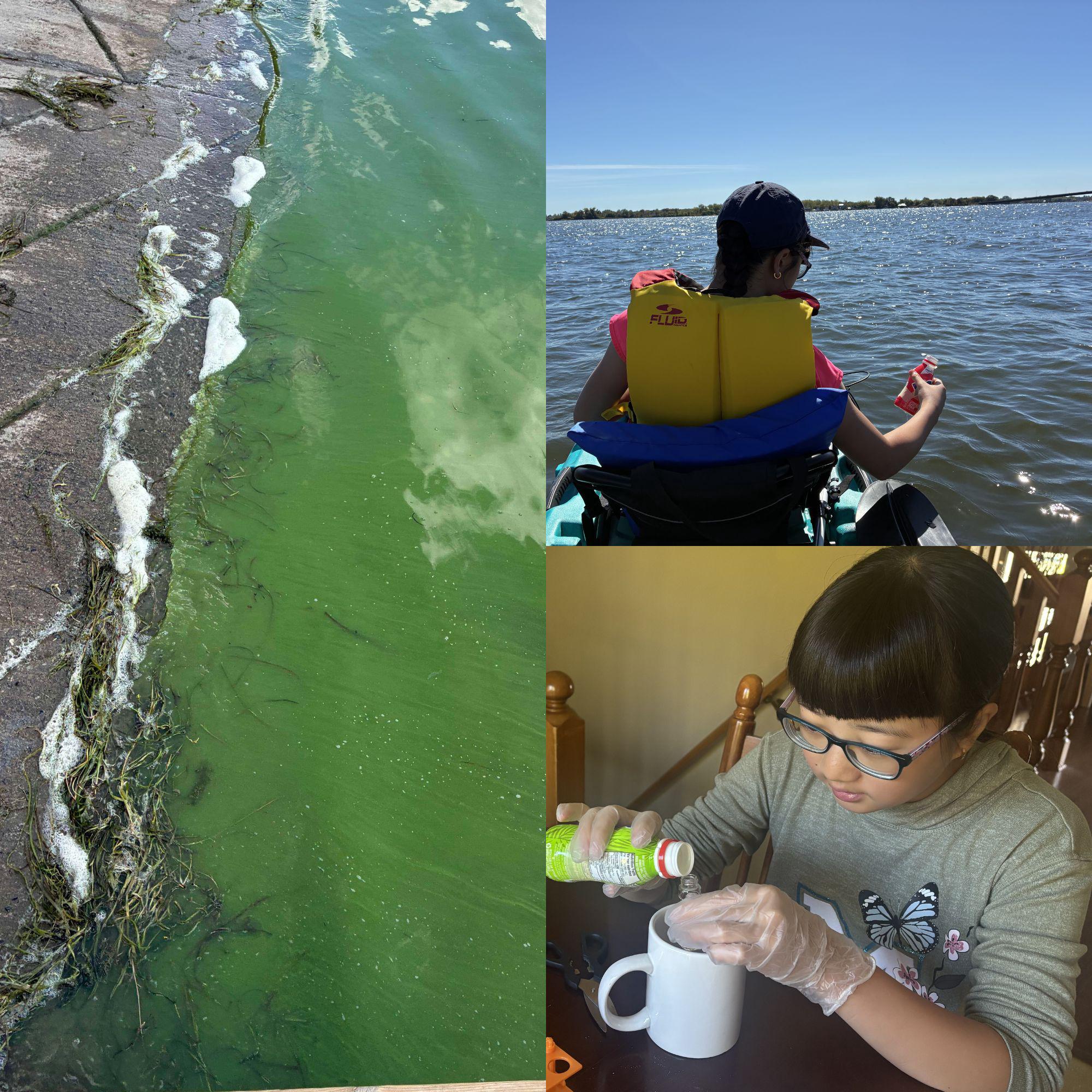
Excess phosphate in the Bay of Quinte(BOQ) causes algae overgrowth and threatens ecosystems and surrounding communities. My project studied the main source of phosphate pollution and explore…
CWSF · 2026
Environment & Climate Change
Bronze Medal
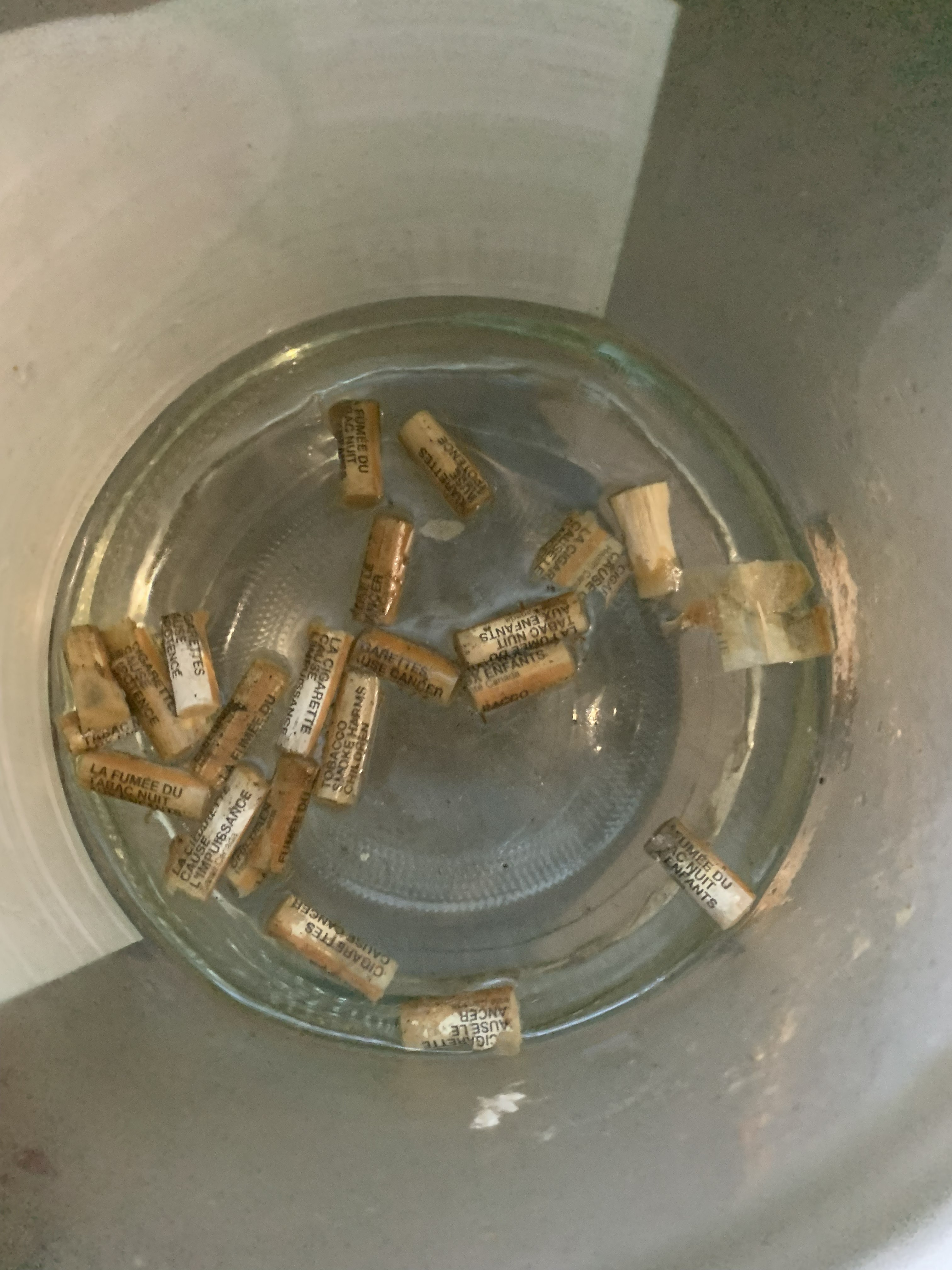
My project is about recycling cigarettes. I was inspired to investigate this topic as cigarettes are the most littered item in the world (Kuta, 2024). I tested which simple and affordable ki…
CWSF · 2026
Environment & Climate Change
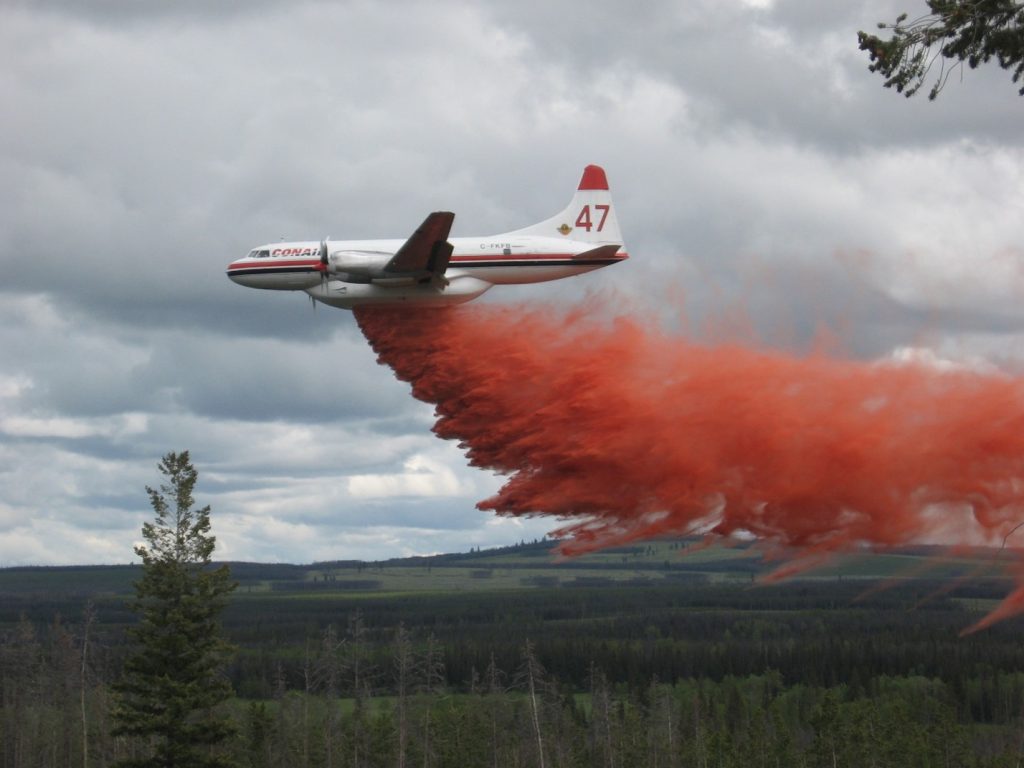
Due to climate change, wildfires are becoming more common. During these fires, planes drop fire retardant. After the fires end, some fire retardant remains on the ground. Where does it go? W…
CWSF · 2026
Environment & Climate Change
Bronze Medal
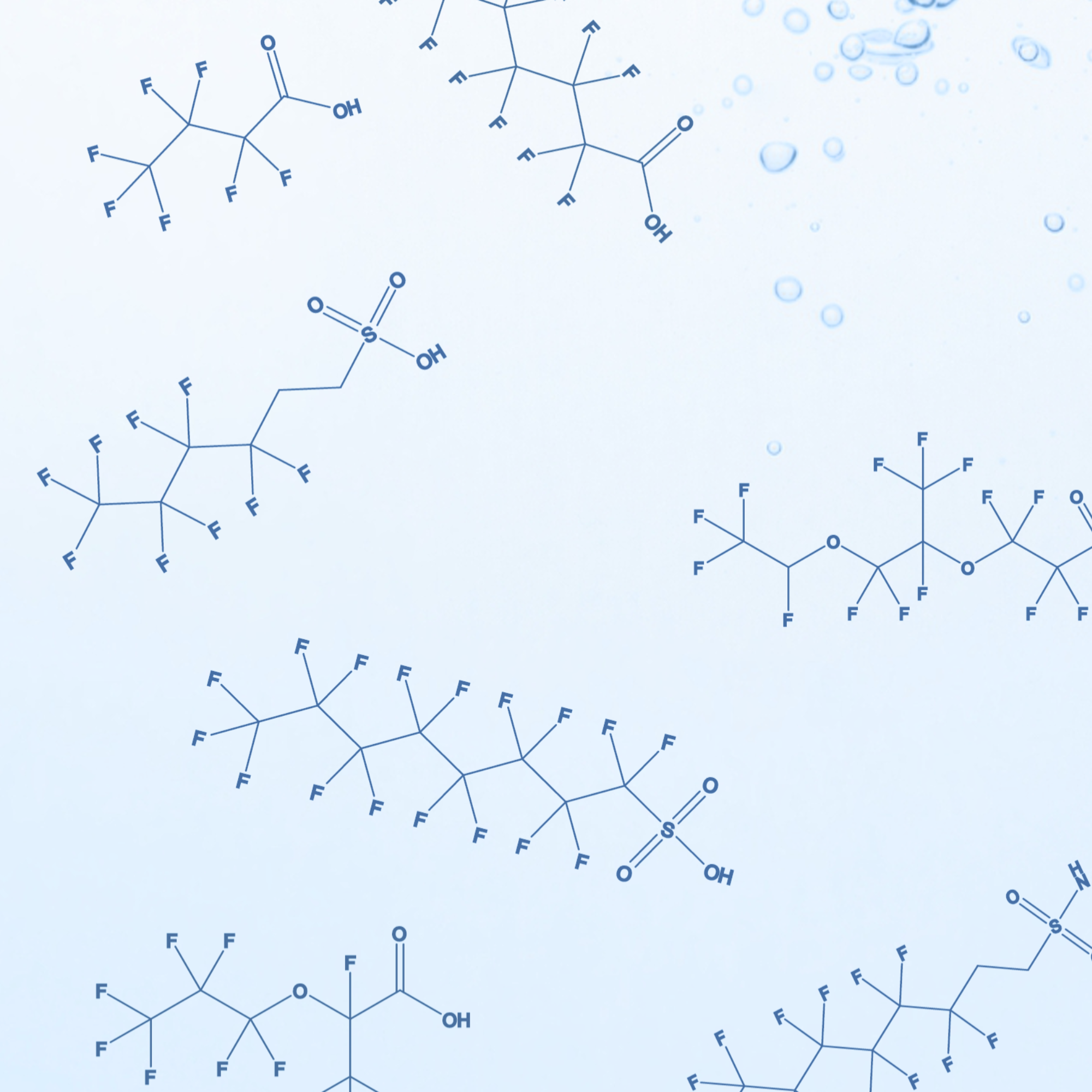
Per- and polyfluoroalkyl substances (PFAS), otherwise known as "forever chemicals," are a group of highly stable, bioaccumulative, and toxic synthetic chemicals used in a wide range of consu…
CWSF · 2026
Environment & Climate Change
Silver Medal
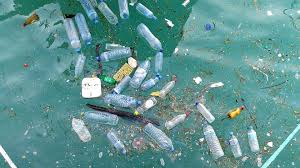
I am working to create a biodegradable alternative that could help replace plastic because I am worried about the effects of plastics, particularly microplastics on animals, human health, an…
CWSF · 2026
Environment & Climate Change
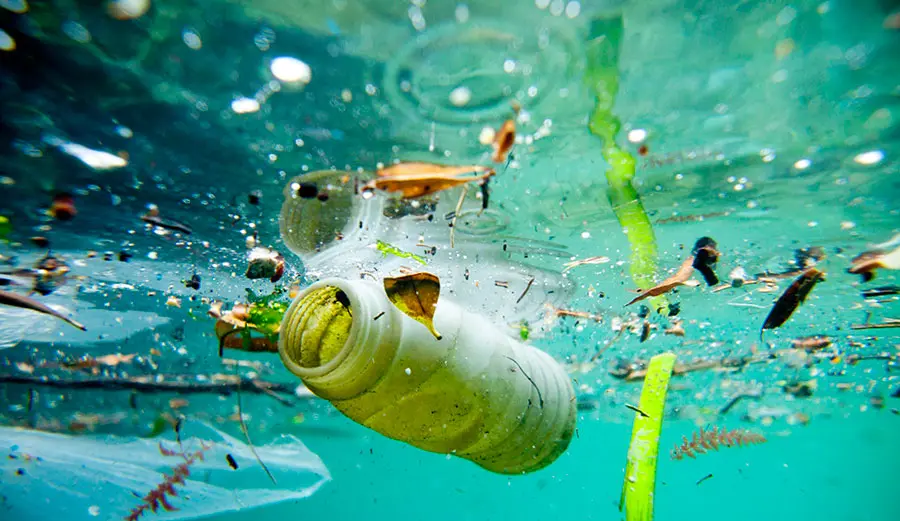
I studied how chitosan (a natural, eco-friendly material derived from the crushed shells of crab or shrimp) affects the biodegradation rate—how fast something degrades in nature—of bioplasti…
CWSF · 2026
Environment & Climate Change
Silver Medal
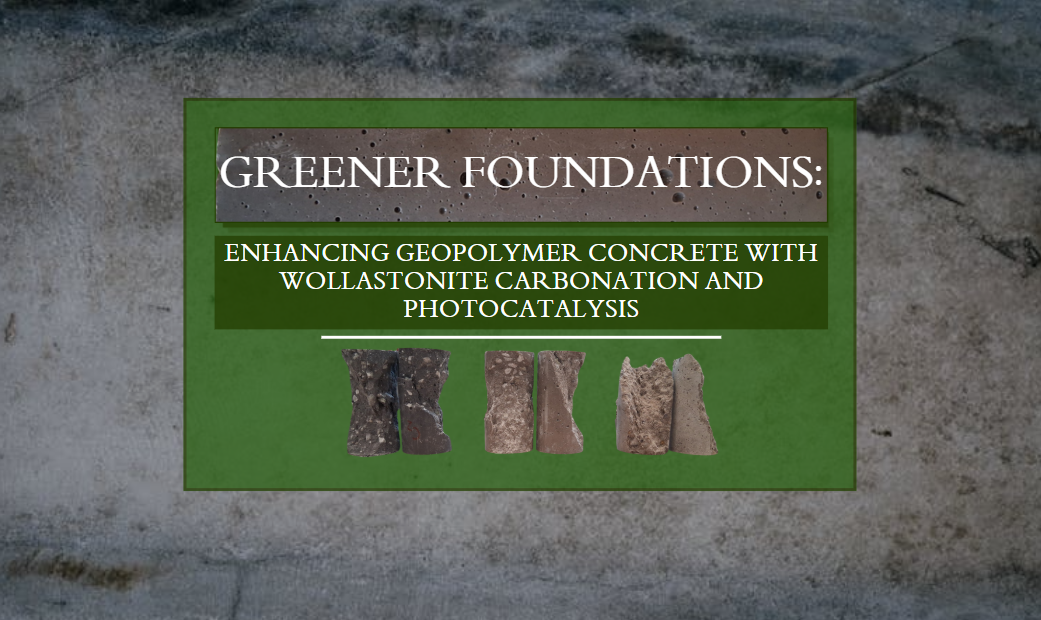
Cement manufacturing currently accounts for 8% of global anthropogenic carbon dioxide (CO₂) emissions, largely due to the calcination of limestone in the mass production of Ordinary Portland…
CWSF · 2026
Environment & Climate Change
Bronze Medal
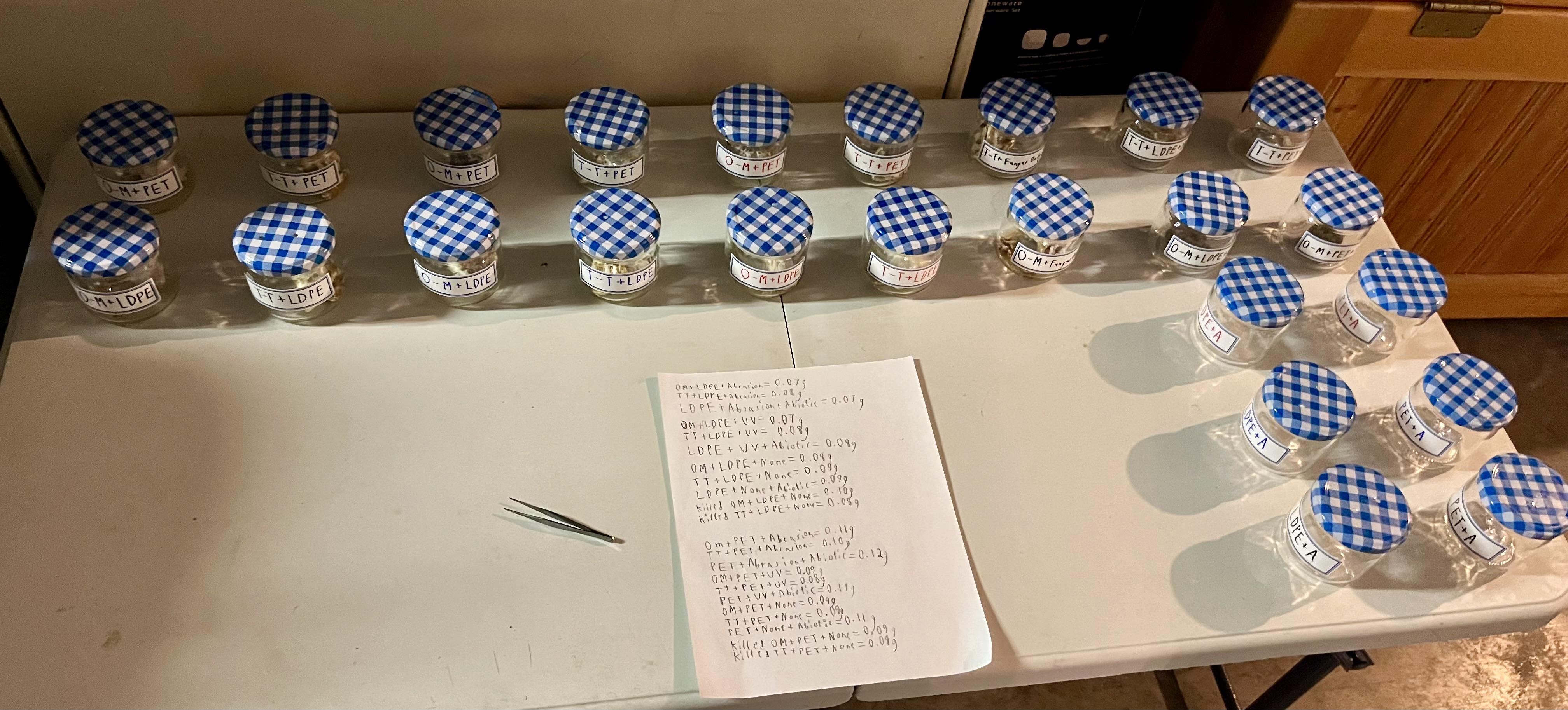
This project studied how different ways of preparing plastics affect how certain types of fungi interact with plastic waste. Two common types of plastic were either applied abrasion with san…