From Flames to Flow
CWSF · 2026 Environment & Climate Change
Overview
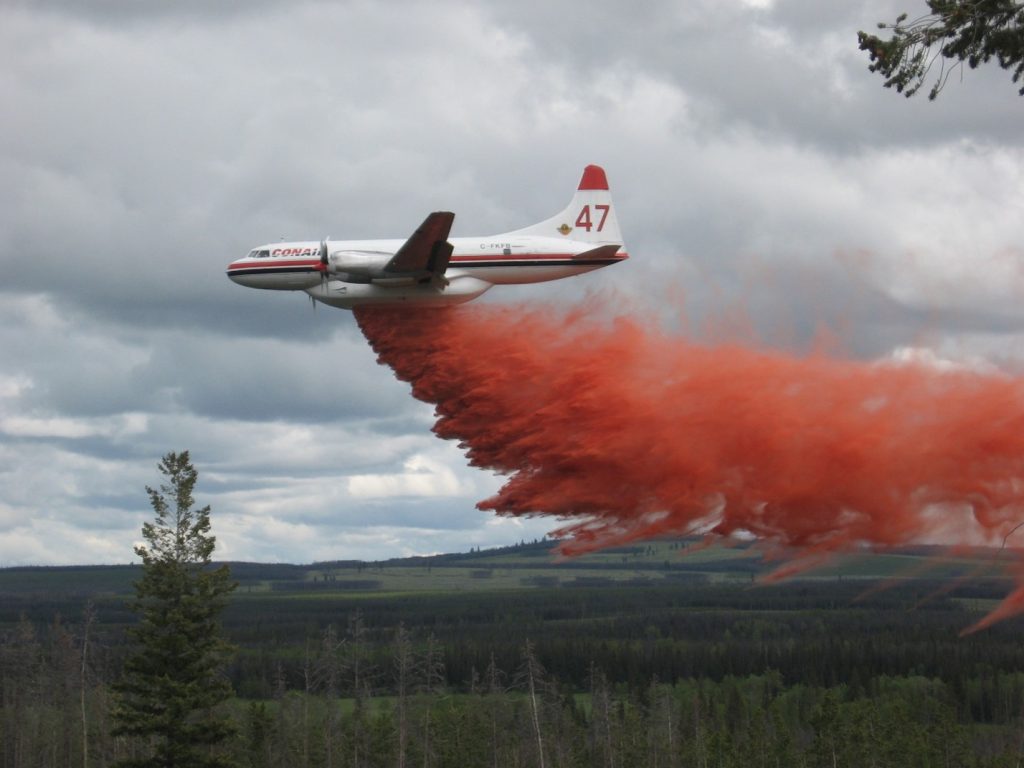
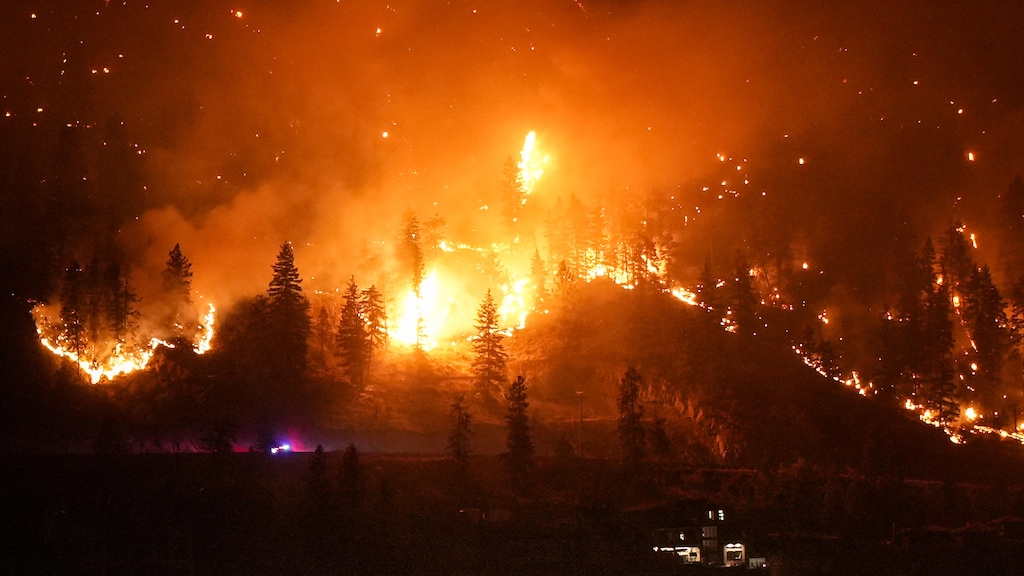
Due to climate change, wildfires are becoming more common. During these fires, planes drop fire retardant. After the fires end, some fire retardant remains on the ground. Where does it go? What happens when it rains? To find out, I tested three types of ground cover: plain soil, soil with grass, and soil with ash. I then poured water over each tray to simulate rain and collected the runoff, measuring how much came out and estimating contaminant concentration using colour intensity and pH. I found that ash-covered soil produced the most runoff, while grass-covered soil produced the least. This suggests that ash-covered soil allows more water and chemicals to flow across it, while plants help soak water in. This is important because it shows that burned vegetation increases the amount of fire retardant washed into water. Restoring vegetation quickly can help protect these ecosystems.
Video
This video could not be played here. Watch it on the original project page.
Video
From Flames to Flow:
How do different ground covers affect the amount of fire retardant residue running off into nearby water systems during rainfall?
Why?
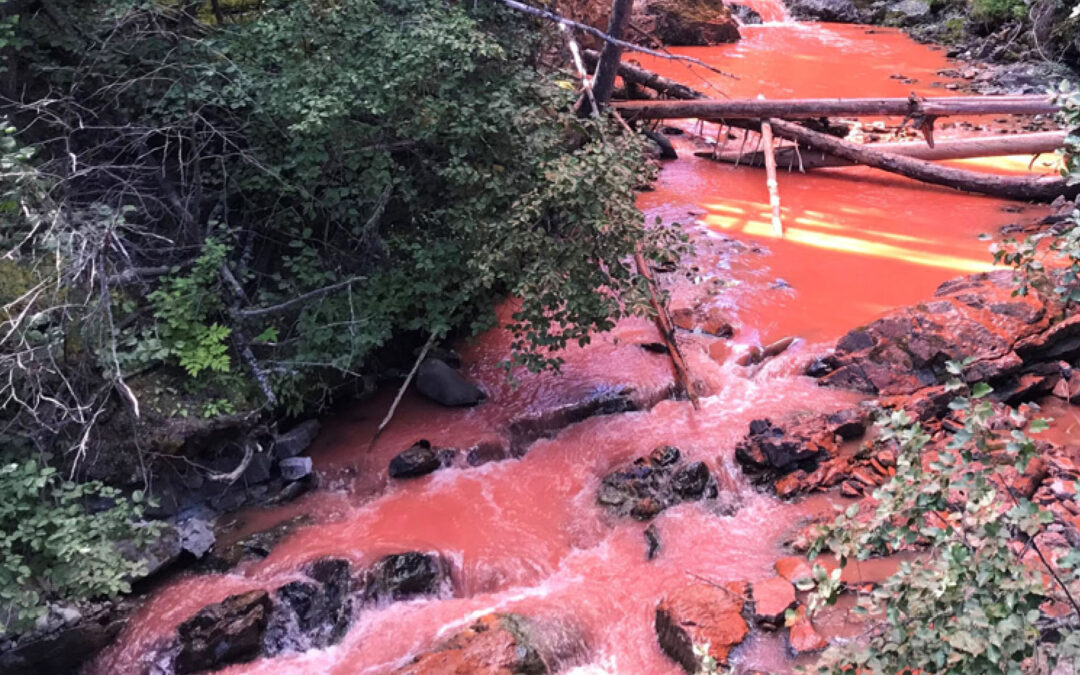
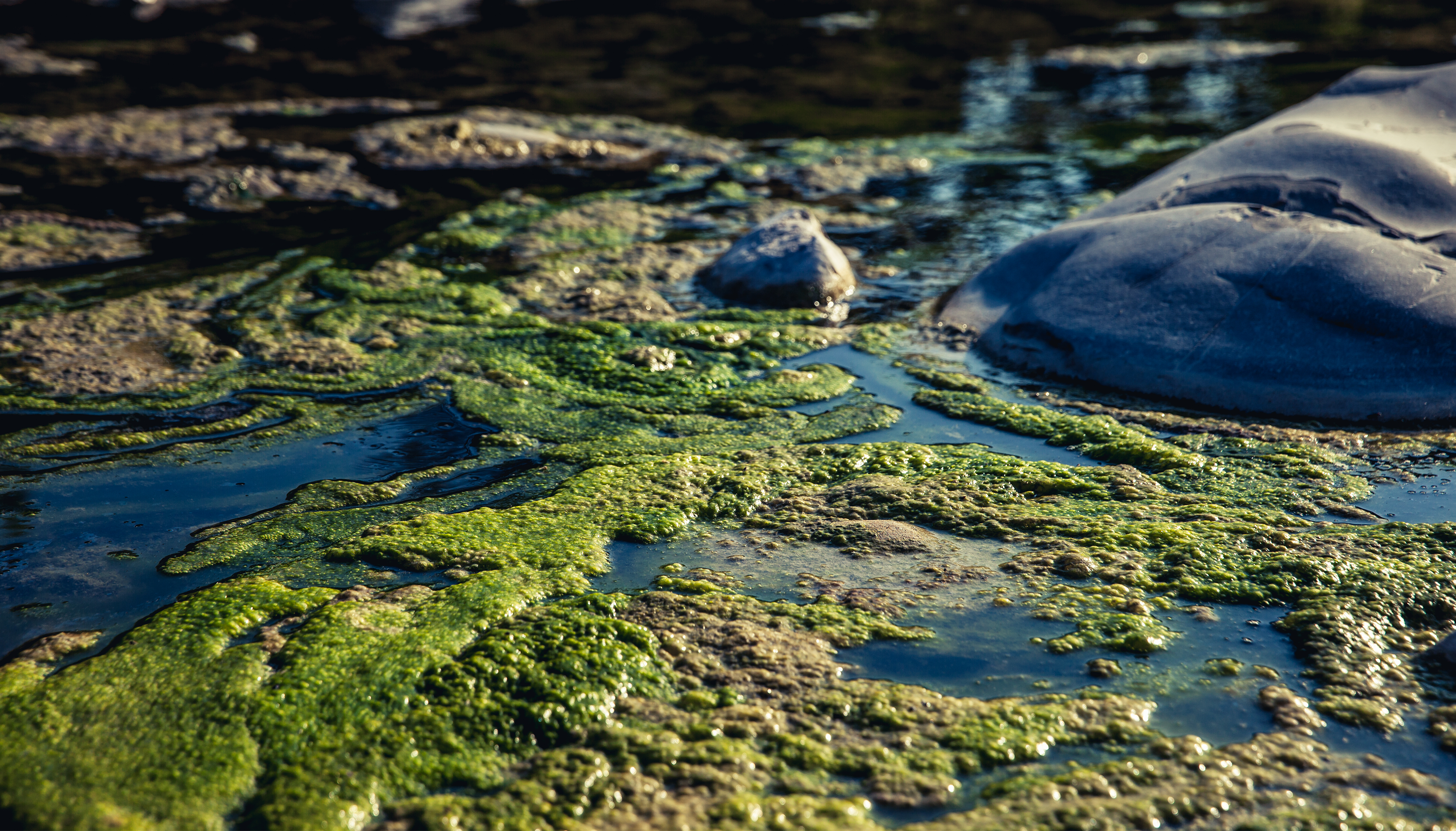
Due to the acceleration of climate change, every year the amount, severity, and size of wildfires in B.C. increase. Consequently, the amount of fire retardant used to combat these fires has also increased. Last year, I asked how fire retardant, when dropped directly into water, affects nearby aquatic ecosystems. I found that the ammonia in the retardant (Phos-Chek LC-95) has a negative impact on the ecosystems, causing algae blooms and harming nearby aquatic animals.
Although my project gave me lots of insight and information, it had some flaws and left me with many new questions and ideas. I was curious about other ways fire retardant could enter our waters, since direct aerial drops into water bodies are rare, but indirect transport via runoff is likely more significant.
This study investigates whether soil covered with ash will increase the runoff volume and contaminant transport compared to plain and vegetated soil, because post-fire soils develop hydrophobic properties that reduce water infiltration and increase surface flow.
My hope for this project is that it provides us with more insight into how fire-retardant residue moves through and across soil. With this information, we can create more effective plans to better protect our aquatic ecosystems from these harmful chemicals.
How?
As this project was a continuation of last year's project titled: What Effect Does The Aerial Application Of Fire Retardant Have On Nearby Aquatic Ecosystems?, I already had a lot of background information. I focused my time on reviewing peer-reviewed journals and articles on post-fire ash’s hydrophobic properties. I utilised platforms such as Google Scholar to ensure the credibility of the papers.
I designed an experiment to investigate whether ash-covered soil will increase runoff volume and contaminant transport compared to plain and vegetated soil. My design process began by creating a controlled runoff simulation setup using two 6.4L plastic containers, one perforated. With the perforated container sitting 15cm above the other, which held 5.3L of soil + ground cover. The lower soil container was placed at a 20-degree angle and had a 1cm hole at the top of the soil to collect runoff. I first applied a safe Phos-Chek LC95 proxy (250mL water, 5mL liquid plant food, 0.25mL red food dye(per container)) to the soil. A proxy was used to safely simulate retardant behavior, specifically focusing on runoff transport rather than chemical toxicity. I let the proxy sit for 24 hours before pouring 500mL of water over the perforated container, allowing the water to fall at an even distance and rate (4 minutes) onto the soil. I repeated this process 9 times for a total of 3 trials per ground cover type (plain soil, soil + ash, soil + vegetation).
Data was collected using a glass measuring cup; the volume (mL), pH, and colour intensity (a.u.) were my dependent variables. I measured the pH using API pH test strips and the colour intensity using a red colour chart, which can be seen in Figure 8.
What?
Results-
Average Runoff:
Soil + Ash: 187mL
Plain Soil: 157mL
Soil + Vegetation: 125mL
Average Relative Colour Intensity:
Soil + Ash: 4.3a.u.
Plain Soil: 2.8a.u.
Soil + Vegetation: 2.0a.u.
Average pH:
Soil + Ash: 7.2
Plain Soil: 6.5
Soil + Vegetation: 6.0
Statistical Analysis-
Ash-covered soil produced 49% more runoff compared to vegetated soil. I performed a t-test to compare the runoff between different ground cover types. The difference between the ash-covered soil and the vegetated soil was found to be statistically significant (p < 0.05). Ash-covered soil produced 117% higher colour intensity than vegetated soil; the difference was found to be statistically significant (p < 0.05). Ash-covered soil’s pH was slightly higher compared to vegetated soil; the difference was not statistically significant (p > 0.05). Differences between ash-covered soil and plain soil, or vegetated soil and plain soil, were not statistically significant (p > 0.05). These results suggest that post-fire (ash-covered soil) conditions can significantly increase both the amount of runoff and the concentration of fire retardant entering nearby water systems.
So What?
Based on the results of this experiment, several conclusions can be made about how ground cover affects the movement of fire retardant into water systems during rainfall. It was immediately clear that each type of ground cover allowed a different amount of fire retardant residue to run off the soil. The trials showed that ash-covered soil, simulating post-fire conditions, produced the greatest amount of fire retardant runoff. This was shown by the highest red colour intensity and the highest average pH level in the collected runoff water. From this, it can be deduced that burned, post-fire conditions are more likely to allow fire retardant residue to wash into nearby waterways.
In contrast, soil with live vegetation produced the lowest runoff levels, the lowest colour intensity, and the lowest average pH. This suggests that live vegetation helps absorb water and slow runoff, preventing chemicals from reaching waterways. Plain soil consistently produced moderate results between the ash-covered and vegetated soils, showing that while soil alone provides some resistance, it is less effective than vegetation.
These findings suggest that post-fire soil changes contribute to increased runoff. Forest fire ash can create hydrophobic (water-repellent) conditions, where organic matter vaporizes and condenses onto soil particles, forming a waxy layer. This prevents water from soaking into the ground, causing it to flow across the surface and carry fire retardant residue with it.
Overall, the hypothesis was supported. Ash-covered soil produced the highest runoff due to hydrophobic soil conditions, while vegetation reduced runoff by increasing water absorption.
What's Next?
If I had conducted more trials, my results would have been more accurate and reliable. Due to safety limitations, I could not use the real Phos-Chek LC-95. This means I could not test how the actual retardant would act; the nutrient content was likely most affected by this. Other things to consider are soil variability and measurement precision. Efforts were made to keep conditions consistent, although soil is naturally heterogeneous, and these differences may have affected water absorption and runoff. Colour intensity and pH are measured using visual scales. This presents uncertainties, especially when distinguishing between similar levels and colours.
Thanks
I would like to thank my mom, Shannon Whitbread, for helping me perfect my writing and presentation, and my dad, Patrick Bruen, for helping me gather materials for this project. Their support made this project possible. I would also like to thank Claudia Durand for her tremendous support in helping me put the final touches on my project before CWSF.
References
Digital Sources:
Rodela, M. H., Chowdhury, I., & Hohner, A. K. (2022, September 23). Emerging investigator series: Physicochemical properties of wildfire ash and implications for particle stability in Surface Waters. Environmental Science: Processes & Impacts. https://pubs.rsc.org/en/content/articlelanding/2022/em/d2em00216g/unauth
Dlapa, P., Bodí, M. B., Mataix-Solera, J., Cerdà, A., & Doerr, S. H. (n.d.). FT-IR spectroscopy reveals that ash water repellency is highly dependent on ash chemical composition. ScienceDirect. https://www.med.upenn.edu/pmi/events/https-www-sciencedirect-com-science-article-abs-pii-s1047847720300046-via-3dihub
Wildfire. BC Climate Change Adaptation Program. (2023, August 8). https://www.bcclimatechangeadaptation.ca/issues/wildfire
Wildfire Impacts on Surface Water Quality. New Mexico Environment Department. (n.d.). https://www.env.nm.gov/surface-water-quality/wildfire-impacts-on-surface-water-quality/#:~:text=In%20addition%2C%20fire%20intensity%20affects,or%20lakes%20in%20the%20watershed.
Images:
(2022). BC Wildfire Service. photograph. Retrieved 2026, from https://blog.gov.bc.ca/bcwildfire/meet-the-bc-wildfire-service-aviation-fleet/.
An aircraft drops flame retardant chemicals on the Pioneer Fire in the Boise National Forest in 2016. (2016). U.S. Forest Service / USDA. photograph, Boise National Forest. Retrieved 2026.
Creek runs red shortly after aerial fire retardant was dumped into it. (2025). FSEEE. photograph, North Racehorse Creek in Alberta, Canada. Retrieved 2026, from https://nationalforestadvocates.org/fire-retardant-leaves-lasting-impacts-on-waterways/.
(2022). Every Day Matters- The RPI Blog. photograph. Retrieved 2026, from https://everydaymatters.rpi.edu/tackling-harmful-algae-blooms/.
Dyck, D. (2023). Radio Canada International. photograph, North Kelowna. Retrieved 2026, from https://ici.radio-canada.ca/rci/en/news/2004910/full-extent-of-b-c-wildfire-damage-still-not-known-as-province-consumed-by-worsening-air-quality.
OpenAI. (2023). ChatGPT (Mar 14 version) [Large language model]. https://chat.openai.com/chat
Images (18)
Awards (1)
- Selected for CWSF 2026
Competition history
- CWSF 2026
Related projects
CWSF · 2026
Do post wildfire conditions impact plant growth?
CWSF · 2026
Rising from the Ashes: Evaluating the Potential for Peat Moss Recovery After Wildfire
ISEF · 2021
The Environmental Effect on Aquatic Ecosystems of Run-Off From Wildfires Where Fire Retardant Slurry Was Used
CWSF · 2026
Roots in Fire
ISEF · 2026
Evaluating the Effects of Ash Contamination on Diatom Photosynthesis
JSHS · 2025
Wyoming and Colorado Paper for the Planet: Kickstarting Microbial Succession Following California Wildfires
ISEF · 2025
Urban and Rural Fire Disasters: Engineering and Testing of Novel Alg/Cs/BET 'Beads for the Rapid Abatement of Post-Fire Waterborne Pollutants
ISEF · 2024
The Efficiency and Health Implications of Bio- Flame Retardants
Closest projects by meaning, across every fair and year in the corpus.