Practical Polymers 2
Overview
Plastic pollution is a major issue, and most plastics are made from materials that are limited and non-renewable. To investigate this, I created several bioplastics using natural materials such as gelatin, chia seed mucilage, and starch, and tested their strength and flexibility. The results showed that the gelatin and chia seed bioplastic performed best, as it was both strong and flexible compared to the other materials tested. This project is important because it shows that natural materials could be used to develop more sustainable alternatives to conventional plastics.
Video
This video could not be played here. Watch it on the original project page.
Why?
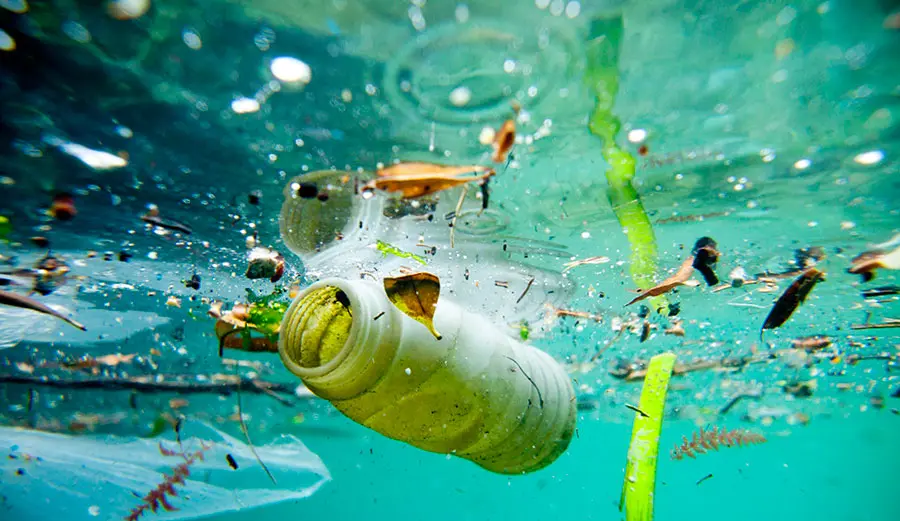
Plastic pollution is a major global environmental issue, and it is closely linked to the continued dependence on fossil fuels. Most conventional plastics are produced from petroleum-based resources, which are non-renewable and formed over millions of years. As global plastic consumption continues to increase, there is growing concern about the long-term availability of these limited fossil fuel resources.
In addition to being finite, fossil fuel extraction and plastic production are energy-intensive processes that contribute significantly to greenhouse gas emissions and climate change. Once in the environment, conventional plastics are highly resistant to degradation and can persist for hundreds of years. Over time, they break down into microplastics, which can accumulate in ecosystems and enter food chains, posing environmental risks.
Due to these challenges, there is a large interest in developing materials derived from renewable biological resources. Bioplastics made from natural polymers such as gelatin, starches, and plant-based mucilage are part of renewable biological cycles, meaning they can be replenished on much shorter timescales compared to fossil fuels.
This project investigates whether bioplastics made from gelatin, chia seed mucilage, and arrowroot starch can serve as viable alternatives to petroleum-based plastics. By comparing these natural options to a synthetic control (PVA), the study evaluates whether renewable resources can provide a similar performance while reducing reliance on finite fossil fuel-based materials.
How?
This project tested different natural materials to determine which one produces the best bioplastic. The materials used included gelatin, chia seed mucilage, agar, arrowroot starch, glycerin, water, and polyvinyl acetate (PVA) as a synthetic comparison.
To begin, each bioplastic was made by mixing a measured amount of water with one of the base materials. Glycerin was added as a plasticizer to improve flexibility. The mixture was then heated and stirred until it formed a smooth and consistent solution. After that, it was poured into flat molds to create thin films and left to dry until fully solid.
Once dried, each sample was tested and compared based on flexibility, strength, and durability. Flexibility was tested by bending the material to see how easily it folded without breaking. Strength was evaluated by applying pressure to determine when cracking or tearing occurred. Durability was assessed by handling the samples and observing how they reacted to moisture and general wear.
Sustainability was also considered during testing by comparing natural bioplastics to PVA, a petroleum-based plastic. This allowed evaluation of whether renewable materials could perform similarly while reducing reliance on fossil fuels and lowering environmental impact.
Controlled variables:
Volume of water and glycerin used
Heating time and temperature
Type and size of molds
Thickness of each bioplastic film
Testing tools and testing conditions
Uncontrolled variables:
Airflow and room ventilation
Water mineral content
Evaporation rate during drying
Freshness or age of raw materials
Dust or other small contaminants
What?
This project developed biodegradable bioplastic films using natural materials such as gelatin, chia seed mucilage, and arrowroot starch, with polyvinyl acetate (PVA) used as a synthetic comparison. Each material was mixed with glycerin, which helps reduce stiffness and allows the material to bend without breaking. The mixtures were heated, poured into moulds, and left to dry, or baked until solid films formed.
The bioplastics work by forming a solid structure as they cool and dry. The strength and flexibility of each sample depend on how well the material forms internal bonds and how evenly stress is distributed when the material is bent or handled. Glycerin helps improve flexibility by allowing the structure to move slightly instead of just cracking.
Each sample was tested for flexibility, heat resistance, and water solubility. The results showed that the gelatin and chia seed mucilage, when combined with arrowroot starch, performed the best overall. This sample was able to bend without breaking while still maintaining its shape and strength during handling. The combination worked well because gelatin and chia seed mucilage provided structure, while arrowroot starch helped improve flexibility and strength.
Samples made from only one material did not perform as well. The plain gelatin sample was strong but brittle, so it cracked more easily when bent. The chia seed mucilage sample wasn't flexible and lacked strength; it felt almost like the paper that you put into gift bags. But, the arrowroot starch sample was still flexible, but less durable. The PVA showed consistent strength and flexibility, but it is not biodegradable and is made from non-renewable resources.
So What?
The results of this project show that combining natural materials can improve the performance of bioplastics. The mixture of gelatin, chia seed mucilage, and arrowroot starch produced the best overall results, showing a strong balance of flexibility, strength, and durability. This supports the idea that combining materials can create a more effective product than using a single material alone.
From these results, it can be concluded that each material contributes a different property. Gelatin provided structure and strength, but was more brittle on its own. Chia seed mucilage improved flexibility but lacked strength, while arrowroot starch helped add stability to the mixture. When combined, these materials balanced each other out, resulting in a more practical and usable bioplastic.
This project also showed that natural materials can be used to create functional alternatives to conventional plastics. While the PVA sample performed consistently, it does not offer the same environmental benefits because it is not biodegradable and depends on non-renewable resources.
One key learning outcome was understanding how different materials interact and how changing combinations can significantly affect performance. Overall, this project demonstrates that bioplastics made from renewable resources have strong potential as more sustainable alternatives to traditional plastics.
What's Next?
The next step is scaling this bioplastic for real-world production. Since gelatin and chia seed mucilage are already processed in existing industries, such as food and gelatin manufacturing, these systems could be adapted to produce bioplastics using similar equipment.
Future work would focus on optimizing production methods to ensure consistent strength, flexibility, and quality at larger scales. Testing would also expand to real-world uses like packaging and storage.
By adapting existing infrastructure, this approach could make sustainable bioplastics more accessible and reduce reliance on fossil fuel–based plastics.
Thanks
Huge thanks to Aidan Leach for helping me prepare for CWSF, keeping me organized throughout the process, and making sure I stayed on top of all deadlines. His guidance, reminders, and support helped me manage my project more effectively to feel confident competing.
Another huge thank you to Mrs. Harkiran Dadhiala at my school for encouraging me since my first science fair and showing me what is possible!
References
Nwanna, E. C., Eze, P. C., Orakwe, L. C., Chukwuma, E. C., Nwachukwu, C. P., & Maduegbuna, J. I. (2025). Scientific Reports. https://doi.org/10.1038/s41598-025-18796-z
Adebayo, M. A., Adeleke, J. T., & Oladipo, A. A. (2025). Plasticized starch/gelatin blends with humidity-activated shape-memory behaviour. Polymers, 17(13), 1763. https://doi.org/10.3390/polym17131763
Ghimire, M. (2024). Microplastic contamination in environment. Microbe Notes. https://microbenotes.com/microplastic-contamination-in-environment/
Natural Materials Studio. (n.d.). Bioplastic cookbook 3. Issuu. https://issuu.com/nat_arc/docs/bioplastic_cook_book_3
World Grain. (n.d.). World’s top grain-producing countries. https://www.world-grain.com/articles/17297-slideshow-worlds-top-wheat-producing-countries
Ritchie, H., & Roser, M. (2018). Plastic pollution. Our World in Data. https://ourworldindata.org/plastic-pollution
United Nations Environment Programme. (n.d.). Solid waste management. https://www.unep.org/explore-topics/resource-efficiency/what-we-do/cities/solid-waste-management
Cambridge University Press. (n.d.). Cambridge Dictionary. https://dictionary.cambridge.org/
Images (15)
Awards (2)
- Special Award
- Selected for CWSF 2026
Competition history
- CWSF 2026
Related projects
CWSF · 2026
Plant Power: Creating Bioplastic from Starch
CWSF · 2026
Future Plastics - creating biodegradable alternatives to plastic
ISEF · 2019
Biodegradable Backlash
CWSF · 2026
Bio-Plastics
ISEF · 2024
Applications of the Engineered Novel Solid and Liquid Bioplastics From Invasive Algae and Waste Corncobs
ISEF · 2025
Biodegradable Algae Plastic
ISEF · 2016
All in a Nutshell: Synthesis and Analysis of Novel Bioplastics Enhanced with Organic Wastes
CWSF · 2026
Gone With The Tide: The Biodegradation of Bioplastics in a Simulated Marine Environment
Closest projects by meaning, across every fair and year in the corpus.