Biomedical and Health Sciences
Microplastics have been a growing problem within the biomedical and health fields. However, mechanistic links between dietary exposure, molecular interaction, physiological impact, and mitig…
Biomedical and Health Sciences
Music reduces stress and improves health by affecting the autonomic nervous system, and transcriptomic studies show it increases alpha-synuclein (SNCA), which regulates neuronal activity. Al…
CWSF · 2026

Health & Wellness
For over 440,000 Canadians living with severe speech impairments caused by neuromuscular conditions, communication is reduced to waiting for someone to interpret a movement that may never be…
CWSF · 2026
Disease & Illness
Bronze Medal
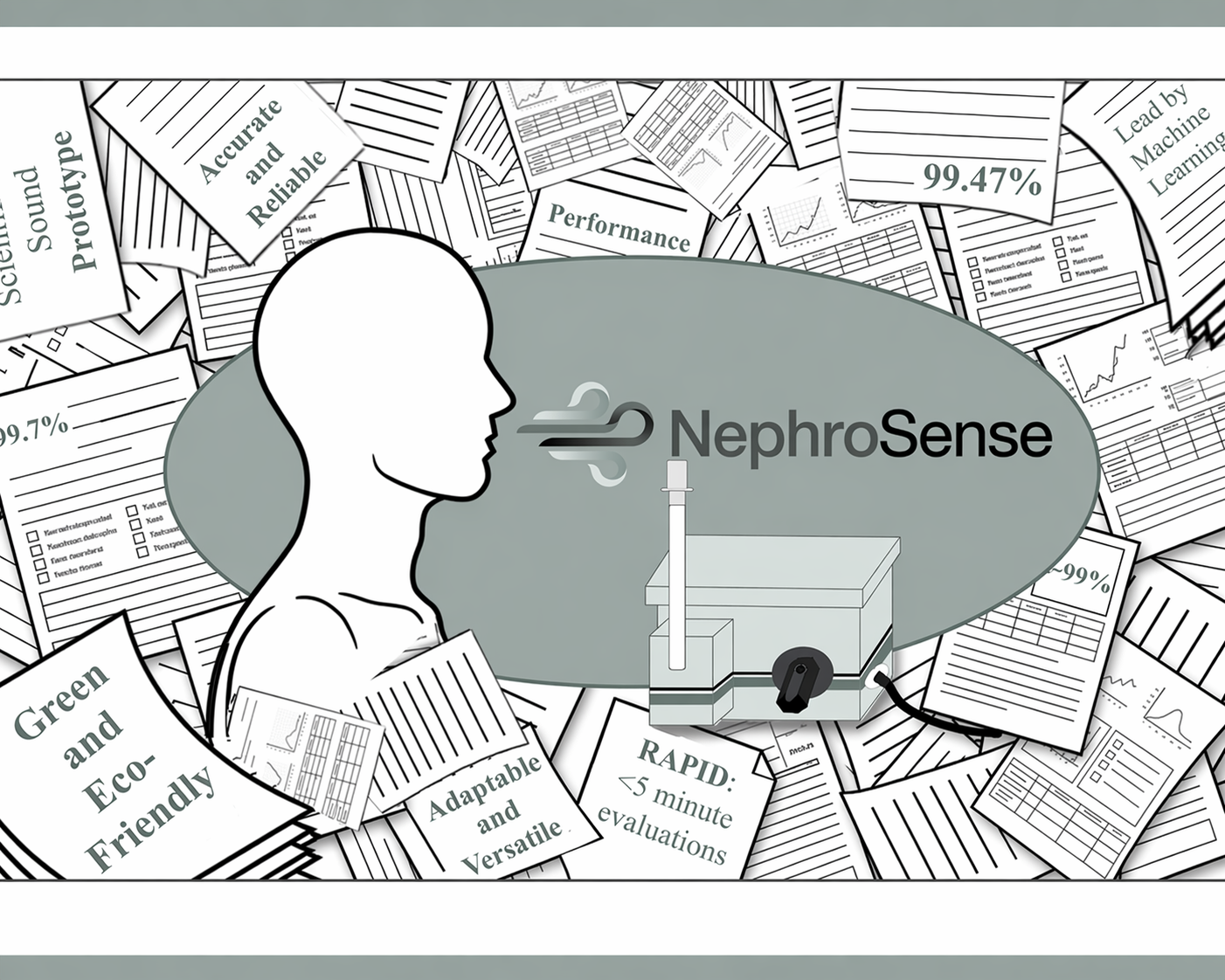
Proactive disease screening is vital for preventive care, yet common biomarker tests are invasive, wasteful, and indefinitely slow. Conversely, NephroSense proposes generalized breath analys…
Biomedical and Health Sciences
Schizophrenia is a chronic neurodevelopmental disorder. In low-resource settings like Zimbabwe, stigma and limited psychiatric infrastructure delay diagnosis. This study investigated whether…
Translational Medical Science
Alzheimer’s disease (AD) causes the gradual loss of neurons, which leads to memory and cognitive problems. Due to the inability to replace the lost neurons, current treatments cannot stop or…
Translational Medical Science
Intracranial aneurysms (IAs) often rupture before detection, causing hemorrhagic stroke that is fatal in 50% of cases. Expensive ($800 - $8400) hospital-based diagnostic tests are conducted…
Translational Medical Science
Schizophrenia is a chronic neurodevelopmental disorder affecting approximately 24 million people worldwide. Despite its severity, its biological mechanisms remain poorly understood, and curr…
Translational Medical Science
Purpose: Neuroblastoma and glioblastoma are highly aggressive malignant neural tumors affecting pediatric and adult populations respectively. Both are associated with very poor prognoses des…
Translational Medical Science
Alzheimer's disease (AD) is a progressive neurodegenerative disease that continues to be difficult to diagnose in early stages. Despite studies demonstrating that when caught early, cognitiv…
Translational Medical Science
Stroke, the 2nd leading cause of death(>7M) and 3rd leading cause of disability (94M) worldwide, is a time-critical emergency. Rapid, accurate stroke detection and severity assessment during…
CWSF · 2026
Disease & Illness
Silver Medal
Alzheimer's disease affects over 55 million people, projected to double by 2050. Current pharmaceutical treatments including Donepezil and Memantine primarily alleviate symptoms without addr…
CWSF · 2026
Disease & Illness
Bronze Medal
Current diagnostic methods for neurodegenerative diseases often depend on expensive imaging or on symptoms that only appear in later stages. My project, NeuroSight, explores a more accessibl…
Translational Medical Science
Parkinson's Disease (PD) is a neurodegenerative disorder that impairs motor function, making early detection crucial for slowing disease progression and managing symptoms. However, current d…
CWSF · 2026

Health & Wellness
Gold Medal
Needle injections can be painful because they deform the skin, especially when larger needles are needed to deliver viscous fluids. In this project, a patented needle design that requires 57…
CWSF · 2026

Disease & Illness
Silver Medal
Celiac disease is an autoimmune disorder where gluten causes damage to the small intestine.¹ A gluten sensor could allow patients to check their food. Current sensors are best at detecting w…
Translational Medical Science
Microalgae are unicellural organisms that are found both in marine and freshwater ecosystems, ranging from tropical water habitats to subpolar areas. They have recently gained attention due…
CWSF · 2026
Disease & Illness
Gold Medal
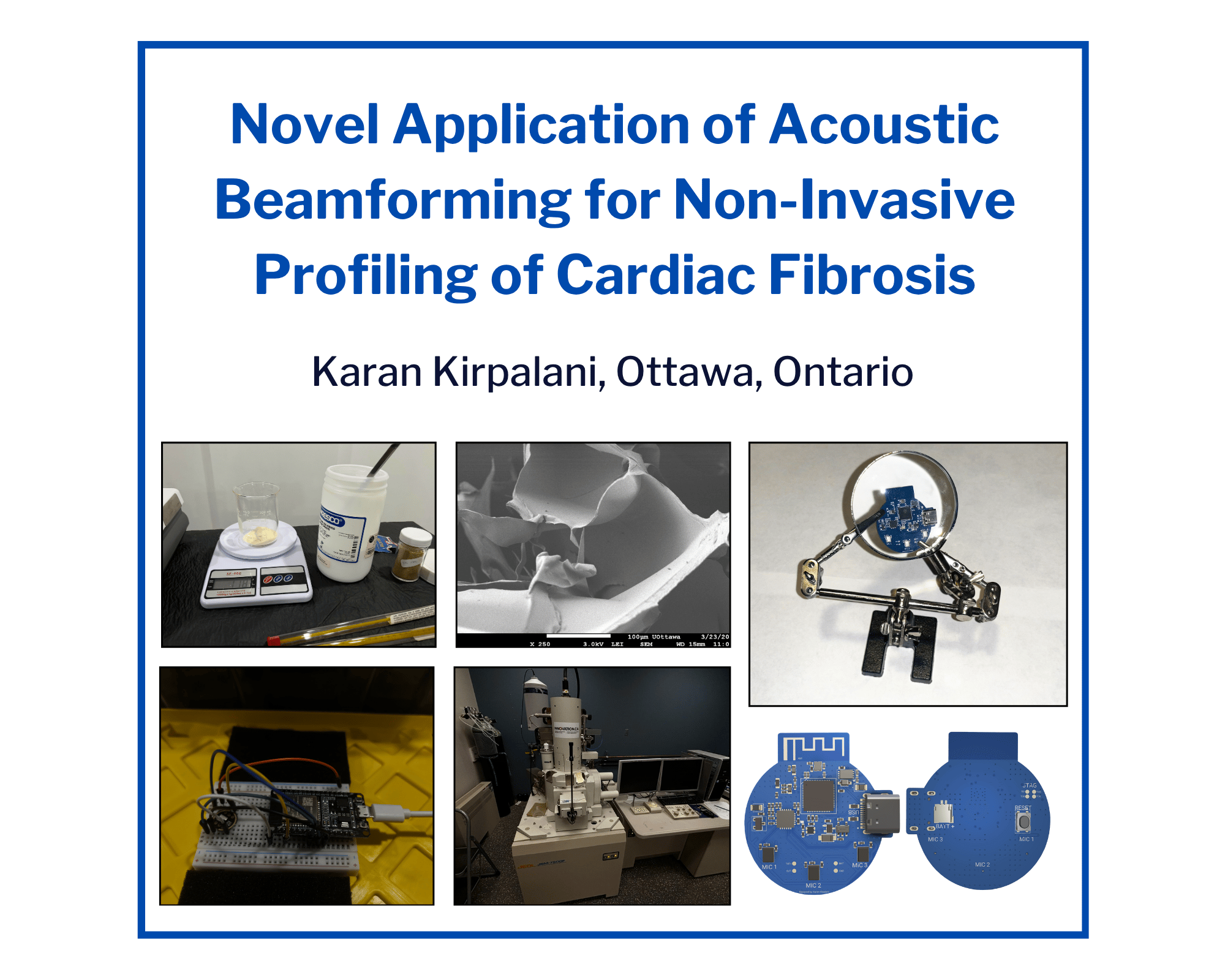
Heart disease currently affects roughly 6 million Canadians, with emerging research indicating that up to one-third of individuals with underlying cardiometabolic conditions will develop myo…
Biomedical and Health Sciences
Primary open-angle glaucoma (POAG) is a leading cause of irreversible blindness, characterized by progressive optic nerve damage often without symptoms until significant vision loss occurs.…
Translational Medical Science
Embryo selection for Frozen Embryo Transfer (FET) is routinely based on subjective parameters. In most modern In-Vitro Fertilization (IVF) labs a quantitative approach for embryo selection i…
CWSF · 2026
Disease & Illness
Silver Medal
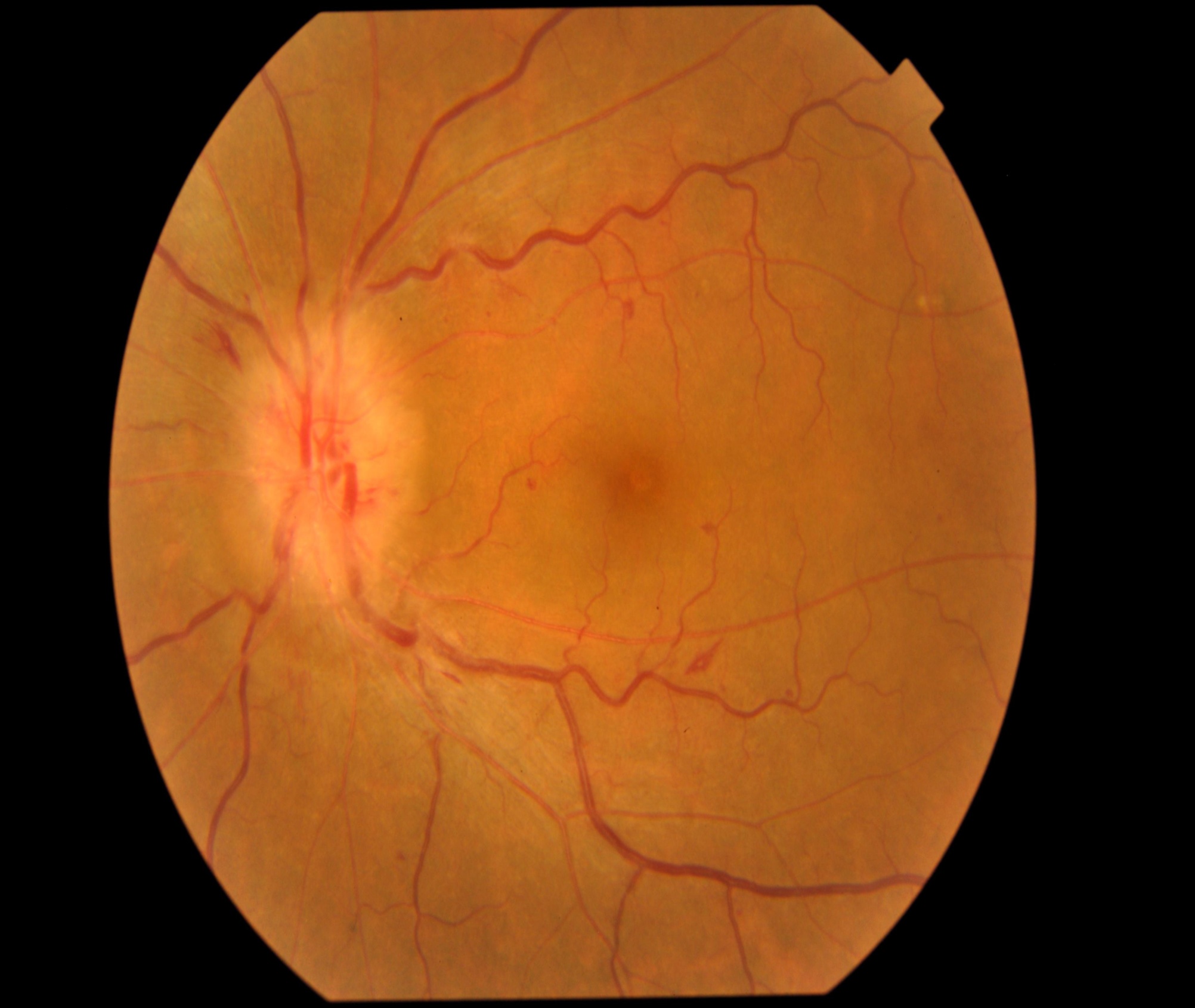
Diagnosing and treating ocular diseases quickly and accurately is essential, as prolonged ocular disease not only affects patient morbidity, but can also lead to permanent eye damage. Curren…
Translational Medical Science
Cancer remains one of the leading causes of mortality due in part to the limitations of current diagnostic methods, which often rely on single biomarkers and fail to capture the systemic bio…
Translational Medical Science
Breast cancer recurrence rates reach up to 50%, yet existing clinical tools rely on single modality data or repeated medical check-ups. My model, OncoTwin, is a novel recurrence-risk predict…
CWSF · 2026

Disease & Illness
Three serious neurological diseases — Multiple Sclerosis, Parkinson's disease, and epilepsy — affect hundreds of thousands of Canadians, and none of them have a cure. On the surface, they lo…
CWSF · 2026

Disease & Illness
Silver Medal
Cancer is often deadly, not always because it cannot be treated, but because it is found too late. In this project, I built two low-cost systems that use artificial intelligence to help dete…
CWSF · 2026

Health & Wellness
Silver Medal
For acne treatment, conventional Western medicine focuses on addressing direct symptoms and causes and has been effective for some people, but often has harsh side effects. Chinese herbal me…
Translational Medical Science
Alzheimer's is a neurodegenerative disease characterized by causes such as amyloid plaque accumulation, microglial dysfunction, and chronic neuroinflammation. Current treatments target the e…
Biomedical and Health Sciences
Atherosclerosis is a condition characterized by a buildup of plaque in the arteries. Changes in blood flow cause endothelial cells to become atheroprone (susceptible to atherosclerosis patho…
Translational Medical Science
In the spring of 2025, my aunt tragically passed away from a long and hard-fought battle with breast cancer. My grief inspired me to develop a way to help diagnose breast cancer more efficie…
CWSF · 2026
Disease & Illness
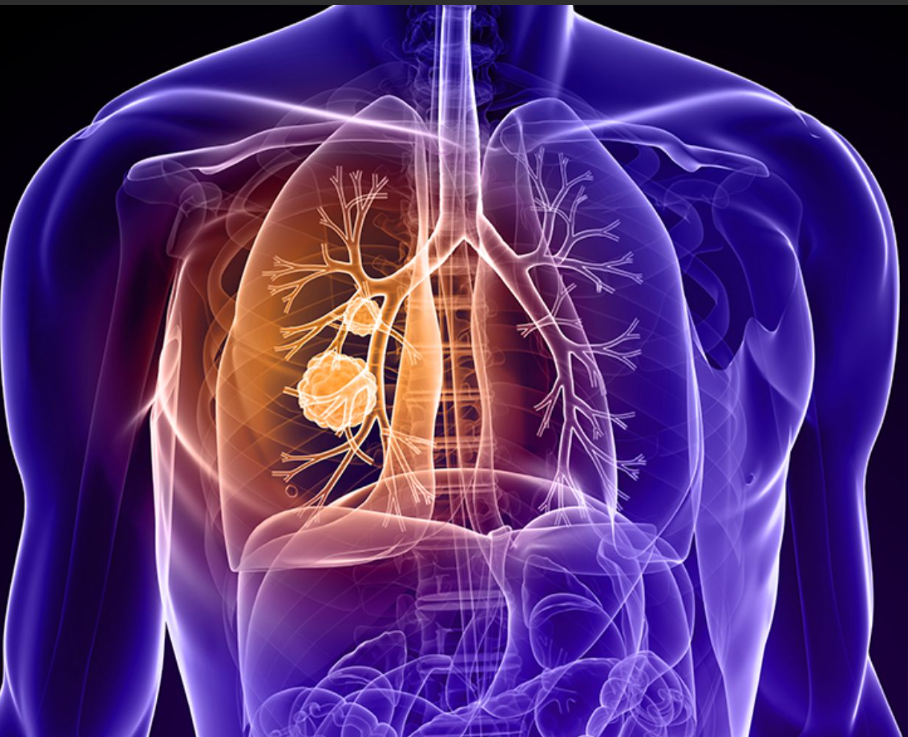
Lung cancer involves mutations causing uncontrolled cell growth, with small cell lung cancer (SCLC) making up 15% of cases. SCLC is aggressive, progresses rapidly, and resists treatment. Che…