Biomedical and Health Sciences
Overexpression of BCL-2 and XIAP proteins inhibits caspase-mediated apoptosis in mutated cells, promoting survival and driving chemoresistance, leading to poor clinical prognosis, highlights…
Translational Medical Science
Breast cancer, the most common cancer in women, is treated with chemotherapy drugs, a systemic treatment prone to multidrug and chemoresistance. An improved adjunctive treatment that increas…
Translational Medical Science
Second Award
The lack of rapid, accessible, and precise quantitative biomarkers for lesion grading remains the primary barrier to preventing cervical cancer—a leading cause of cancer death among women wo…
Translational Medical Science
It is estimated that approximately 9.8% of the world's population suffers from acne, a dermatological condition that can have significant clinical and psychosocial impacts, compromising the…
Biomedical and Health Sciences
Uncontrolled minor bleeding requires effective, safe, and accessible materials. However, most commercial hemostatic dressings rely on synthetic, non-renewable polymers and present high produ…
CWSF · 2026
Disease & Illness
Bronze Medal
Glioblastoma (GBM) is the most common primary brain tumor (Mayo Clinic, 2025), presenting with a 5-year survival rate of 5-10%. Current treatments for GBM are impeded by the tumor's aggressi…
Medicine & Physiology (Senior Division)
Honorable_mention Award
Cancer pain affects 66% of patients during treatment and up to 90% with advanced disease (van den Beuken-van Everdingen et al., 2016), making morphine essential in treatment. However, clinic…
Biomedical and Health Sciences
Third Award
Eosinophilic Esophagitis (EoE) is a chronic, immune-mediated esophageal disorder that currently requires repeated invasive endoscopic biopsies for diagnosis and disease monitoring. The absen…
Medicine & Physiology (Senior Division)
Eosinophilic Esophagitis (EoE) is a chronic, immune-mediated esophageal disorder that currently requires repeated invasive endoscopic biopsies for diagnosis and disease monitoring. The absen…
CWSF · 2026

Health & Wellness
Silver Medal
Your body tells the truth: 47% people underestimate their stress! Standard bots hallucinate and ignore physical limits. We fix this by syncing real-time body data with professional AI and im…
Medicine & Physiology (Junior Division)
Objective: My project objective was to determine how carbohydrates affect glucose levels during exercise as a Type 1 Diabetic. I chose this project because I wanted to do something I persona…
Medicine & Physiology (Senior Division)
Cardiovascular disease (CVD) is one of the leading causes of morbidity worldwide, affecting over half a billion individuals globally and approximately 127.9 million adults in the United Stat…
CWSF · 2026
Disease & Illness
Bronze Medal
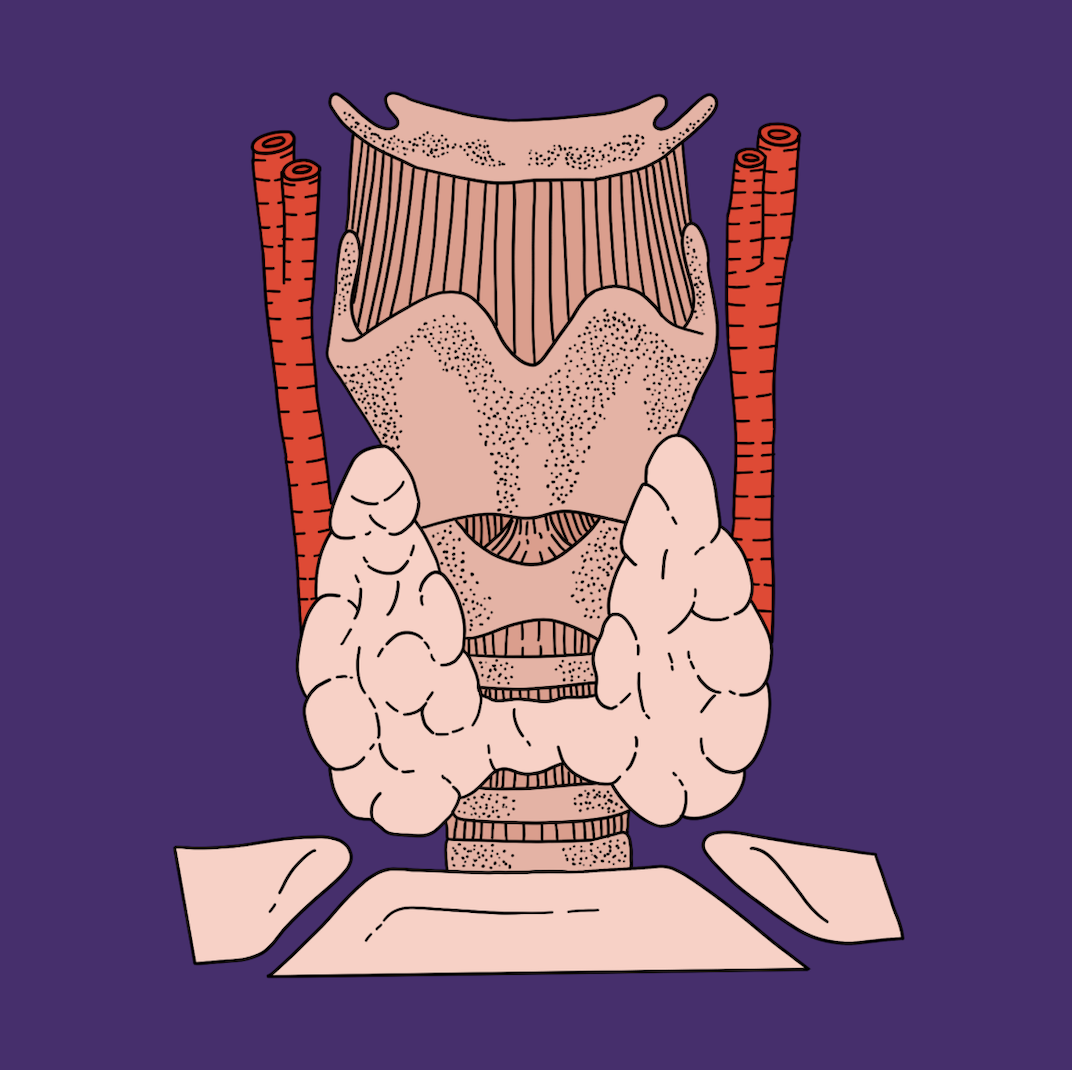
Diagnosing aggressive thyroid cancers like the tall-cell variant can be challenging because pathologists must determine whether the cancer cells are at least 3 times taller than they are wid…
Translational Medical Science
Introduction: Parkinson’s disease (PD) is characterized by the loss of dopamine producing neurons. Many pathways involving mitochondrial dysfunction and synaptic function are involved in thi…
CWSF · 2026
Disease & Illness
Gold Medal
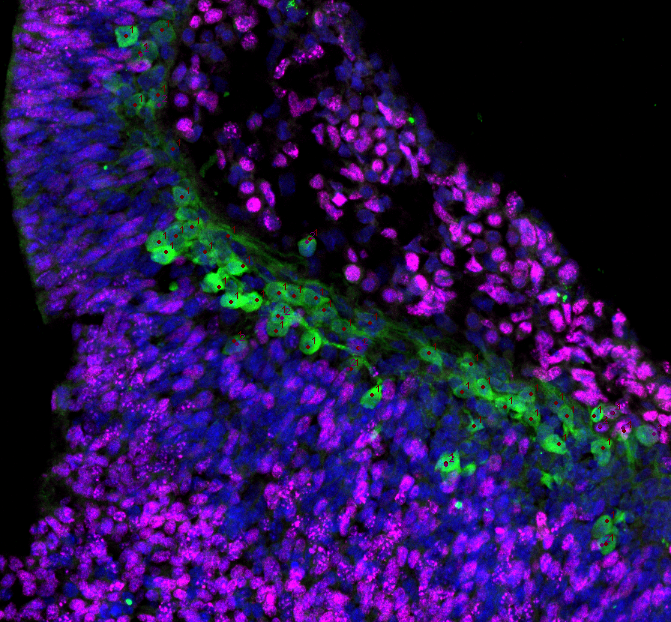
My project focused on the embryonic development of the cerebellum. Little is known about how the cerebellum is formed during early embryonic development, and how its neural pathways are form…
CWSF · 2026
Disease & Illness
Our lungs are kept healthy by hair-like structures called cilia, found in our nasal passages, that act as brooms, sweeping bacteria out of our lungs. Primary Ciliary Dyskinesia (PCD) is a di…
Translational Medical Science
Modern vaccines are effective but often depend on complex formulations containing depot-forming adjuvants and stabilizing excipients. Emerging approaches such as neoantigen cancer vaccines a…
Biomedical and Health Sciences
Chronic cerebral hypoperfusion (CCH) seriously affects the well-being of the patient and has been proposed as a risk factor for cognitive impairment and dementia. While recent research has d…
Medicine & Physiology (Junior Division)
Parkinson’s Disease(PD) is a progressive neurological disorder that destroys the brain cells that produce dopamine, resulting in movement-related symptoms such as tremors, and stiffness. In…
Translational Medical Science
Breast cancer progression is influenced by estrogen receptor signaling and tumor angiogenesis, yet the biological association between these pathways remains incompletely understood. The purp…
CWSF · 2026

Health & Wellness
The human Y chromosome is one of the least understood parts of the human genome, mainly because it is very repetitive, making it difficult to sequence accurately. With the release of new hum…
Biomedical and Health Sciences
Per- and polyfluoroalkyl substances (PFAS) are highly persistent fluorinated chemicals used in many consumer and industrial products that are prone to bioaccumulation due to strong C-F bonds…
Medicine & Physiology (Senior Division)
The popularization of machine learning has prompted the introduction of specialized predictor and generator models utilized for the analysis of toxicity and assessment of chemicals. However,…
Medicine & Physiology (Track 2) (Senior Division)
Honorable_mention Award
Dancers are susceptible to a variety of injuries due to repetitive motion and physical strain, with 8 in 10 dancers getting injured each year and 72% of injuries occurring below the Ultimate…
CWSF · 2026
Disease & Illness
Silver Medal
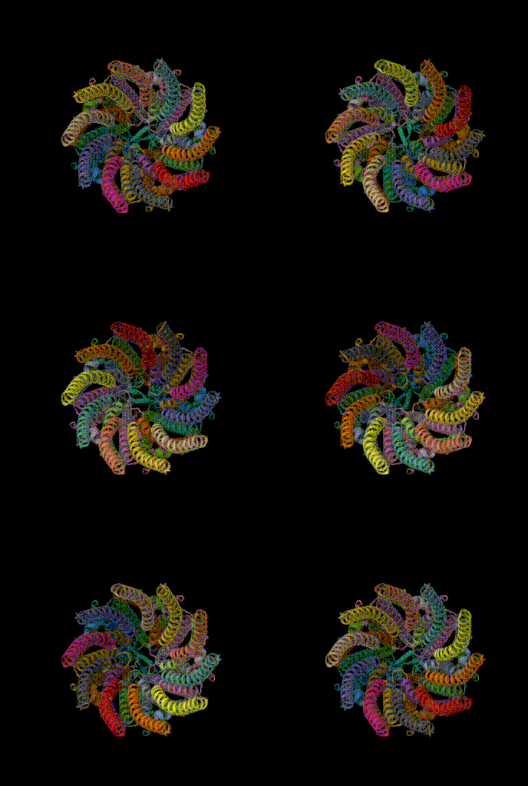
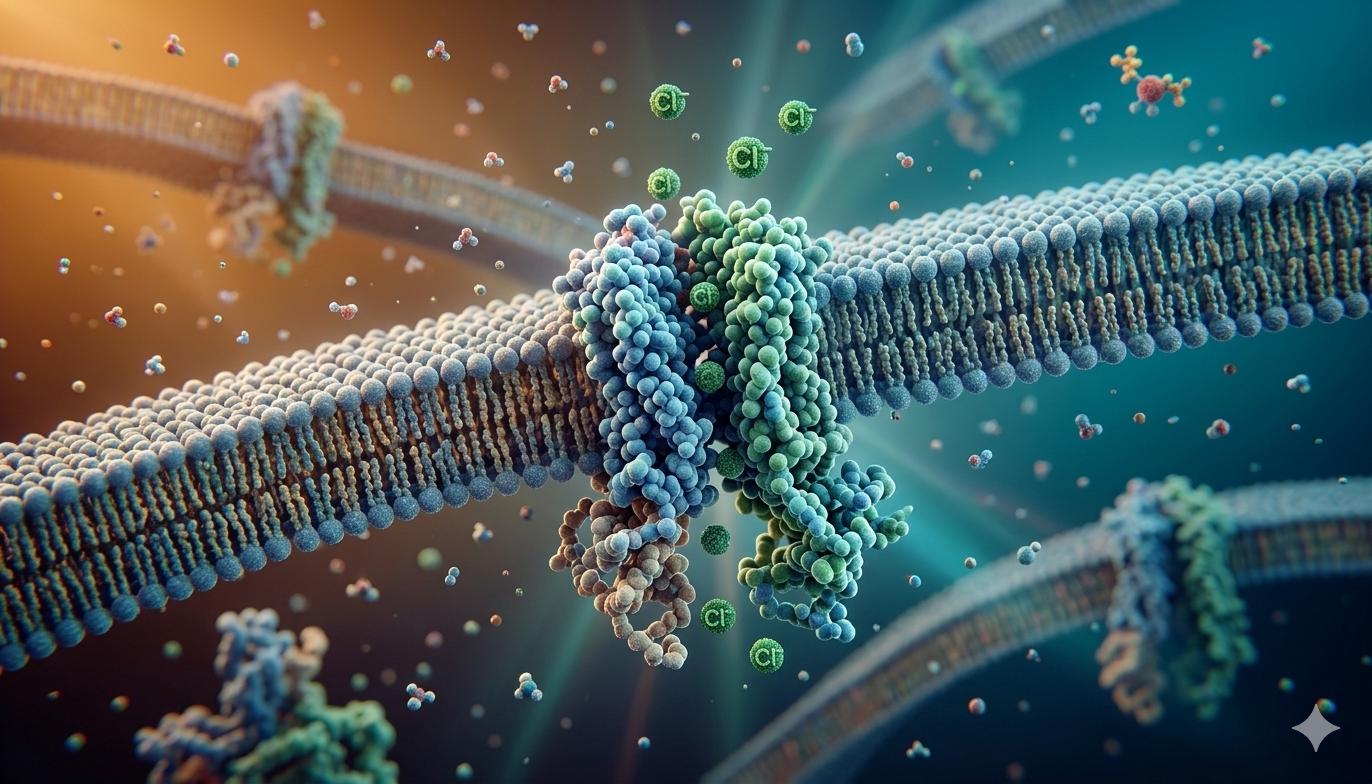
Cystic fibrosis is a disease that causes difficulty breathing and digestive problems because a certain protein in the body is mutated and therefore does not work properly. Using computationa…
CWSF · 2026
Disease & Illness
Bronze Medal
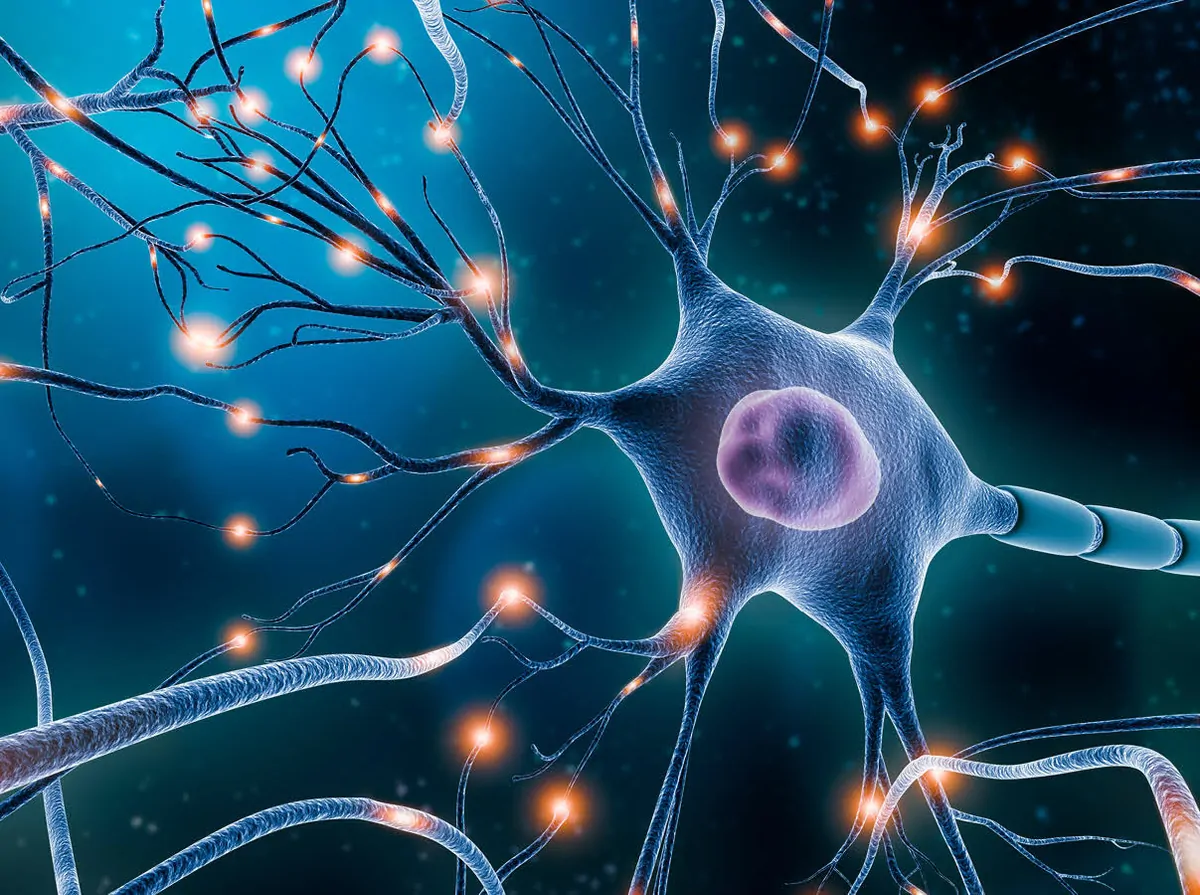
Human rabies is a zoonotic viral disease transmitted from animals to humans, and is virtually 100% fatal post-symptom onset, primarily due to the virus's ability to evade the immune system a…
Translational Medical Science
Medulloblastoma is the most prevalent malignant brain tumor in children, and 75% of children that have it are under the age of ten. However, its current treatments are surgery, chemotherapy,…
Translational Medical Science
Creutzfeldt-Jakob Disease (CJD) is a deadly neurodegenerative disease caused by prion proteins (PrPSC), which trigger normal cellular proteins to misfold, resulting in aggregation and neuron…
CWSF · 2026
Disease & Illness
Gold Medal
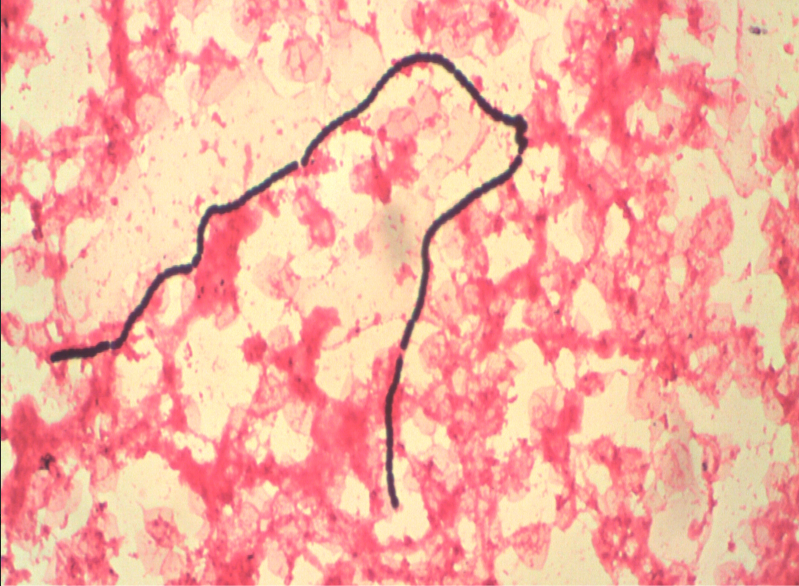
Antibiotic resistance is one of the most urgent crises in global health, and the first step in fighting it is correctly identifying whether a bacterium is Gram-positive or Gram-negative — a…
Translational Medical Science
Dry eye disease (DED) is increasingly understood as a disorder involving both ocular surface inflammation and corneal nerve damage. Although platelet-rich plasma (PRP) and cenegermin (Oxerva…