Computational Evaluation of nAChR and Transferrin Receptor Pathways for Human Rabies Treatment
CWSF · 2026 Disease & Illness Bronze Medal
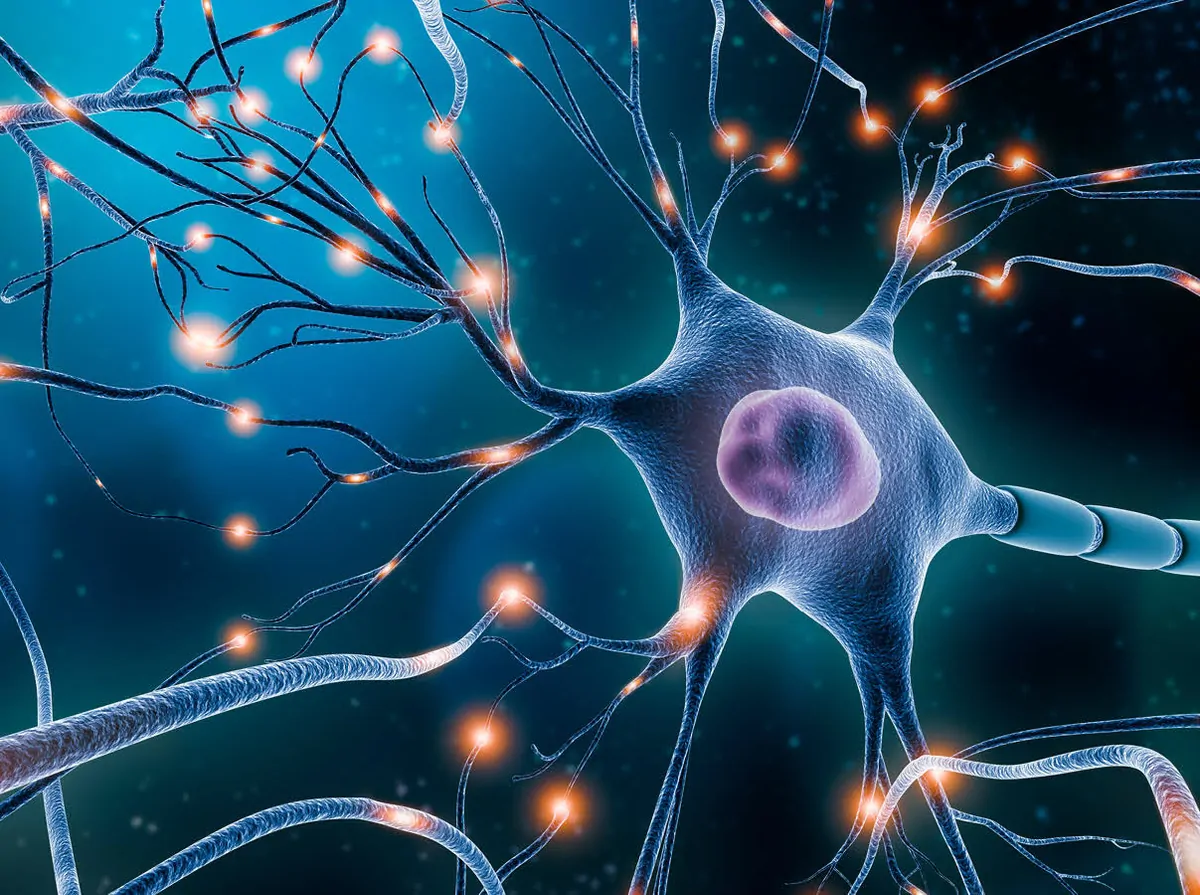
Overview
Human rabies is a zoonotic viral disease transmitted from animals to humans, and is virtually 100% fatal post-symptom onset, primarily due to the virus's ability to evade the immune system and permeate the blood-brain barrier. This study explores a bispecific-nanobody targeting transferrin receptors and caffeine-operated synthetic module complex targeting nicotinic acetylcholine receptors as a potential rabies treatment, once fatal. My literature review examined rabies pathogenesis and viral entry mechanisms. In-silico modelling and protein docking were used to evaluate engineered nanobody sequences for binding to the rabies virus glycoprotein and host receptors. My docking studies revealed favourable binding conformations, indicating dual-targeting as an enhanced therapeutic delivery to the central nervous system. Safety and immunogenicity analyses showed non-toxic profiles and low allergenicity. MHC binding predictions suggested minimal adverse immune response. My research outlines a novel strategy to address challenges in rabies treatment, potentially leading to next-generation antiviral therapies for symptomatic patients.
Video
This video could not be played here. Watch it on the original project page.
Video
Transcript: Hello, my name is Aditi Agnihotri, and my project is based on the computational evaluation of dual-pathway treatment for treating clinical human rabies, a 100% fatal disease with an annual mortality rate of approximately 59,000, making it one of the most lethal infectious diseases. Transmission occurs through bites or scratches from infected animals, allowing the virus to enter through saliva. It then travels retrograde through the peripheral and central nervous systems, rapidly progressing toward the brain.
Treatment is extremely challenging because the virus evades the immune system, limits T-cell access, and is protected by the blood–brain barrier. Additionally, the rabies virus impairs CD8+ T cell function by upregulating immunoevasive proteins such as B7-H1.
This research investigates the feasibility of a computationally designed bispecific nanobody alongside a caffeine-operated synthetic module as a potential therapeutic strategy. By targeting the neuromuscular junction and peripheral and central nervous systems, this dual-target approach has shown great success in computational modelling in addressing viral spread, replication, and delivery.
Thank you.
Why?
Why Rabies?
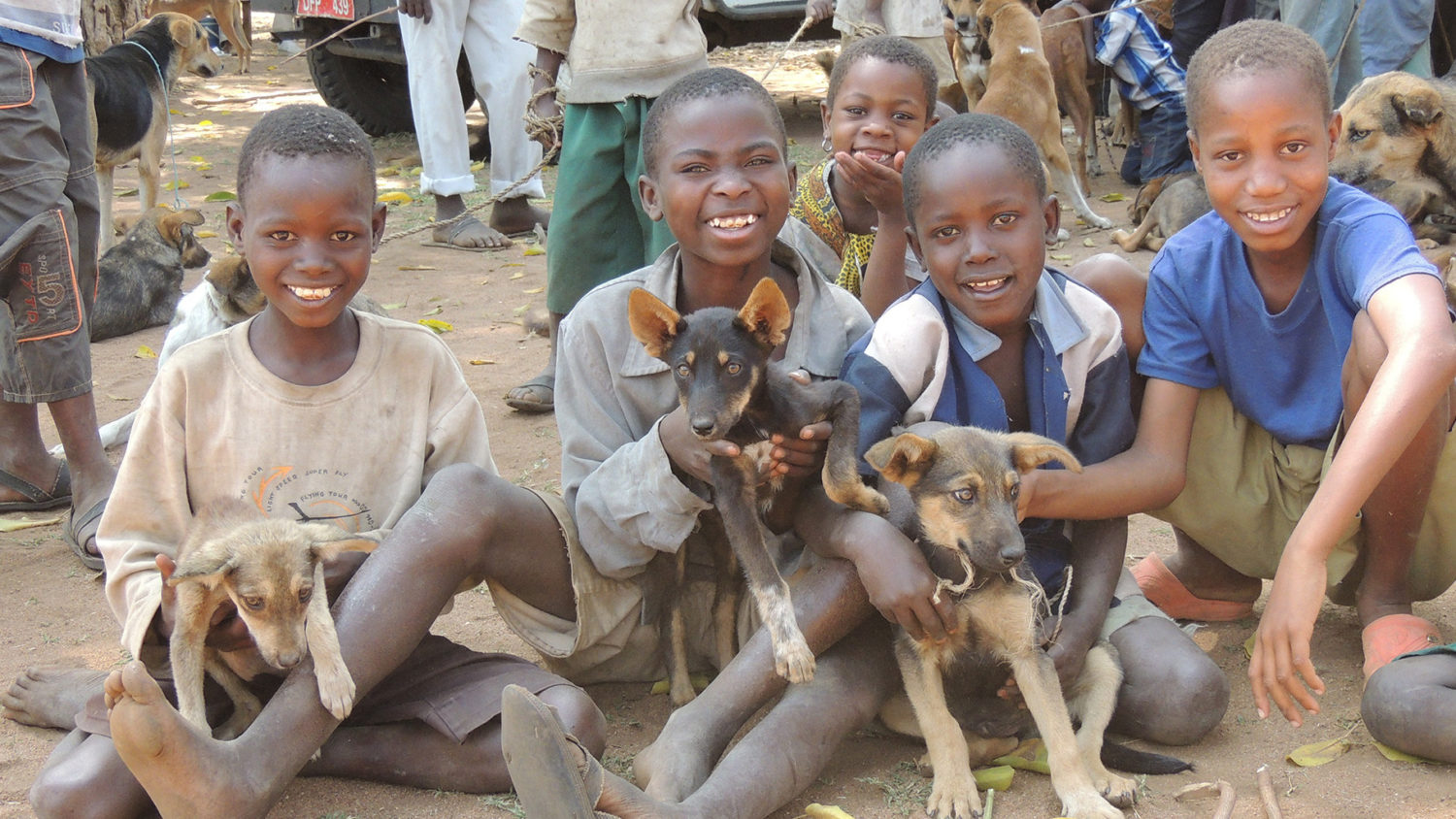
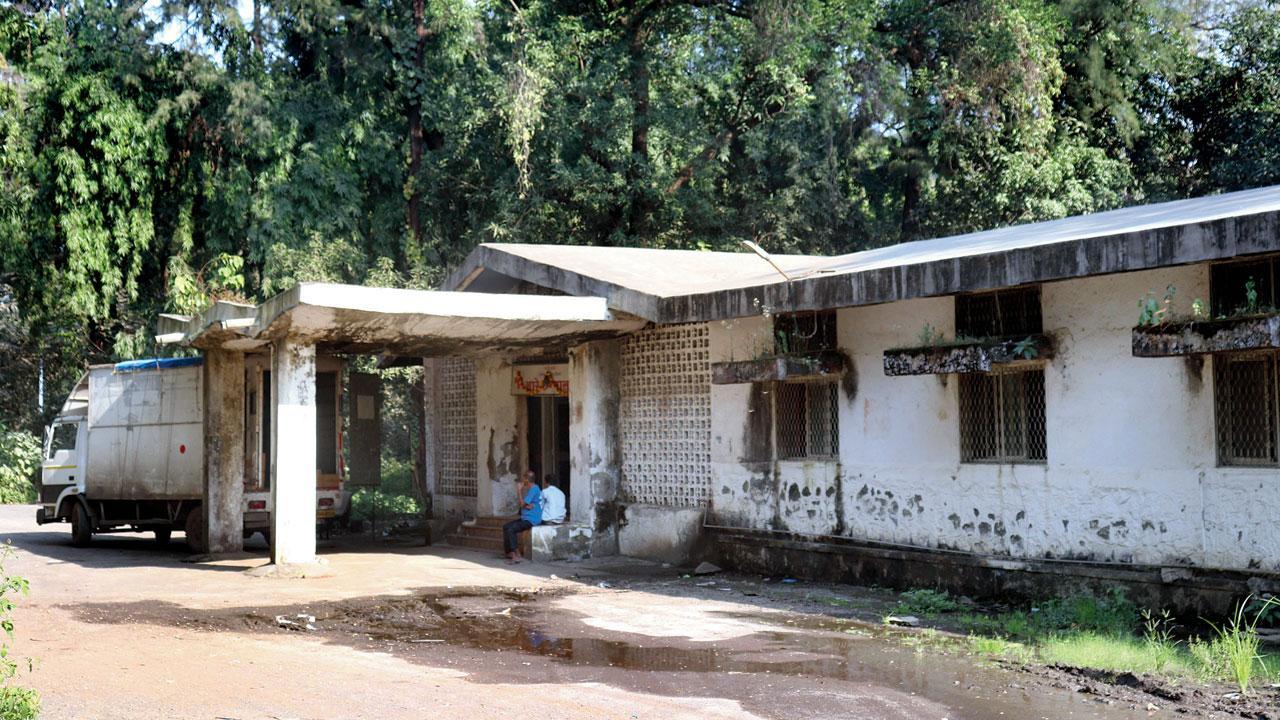
Rabies is a viral zoonotic disease that attacks the central nervous system and is almost always fatal once symptoms appear. Domestic dogs are responsible for transmitting the virus to humans in up to 99% of cases, although it can also affect wild animals. Transmission typically occurs through bites, scratches, or contact with saliva. Children aged 5 to 14 are particularly vulnerable. Each year, rabies is estimated to cause 59,000 deaths globally, with 95% of cases in Africa and Asia, and this figure likely underrepresents the true burden due to underreporting. Rural and impoverished populations bear the brunt, with about half of cases involving children under 15, often due to lack of awareness and access to treatment [3].
Problem:
Once rabies progresses beyond the incubation phase, there is no cure, making it nearly 100% fatal. Several factors hinder the immune response to the rabies virus, including immune unresponsiveness, limited T-cell access to the nervous system, and a protective blood-brain barrier. RABV also impairs CD8+ T cell function by upregulating immunoevasive proteins like B7-H1, rendering the host vulnerable. Studies show that over 90% of small-molecule drugs and nearly all biologic therapeutics fail to adequately cross the blood-brain barrier [5].
Objectives:
This project aims to explore the feasibility of using a computationally designed bispecific nanobody as a therapeutic approach for post-symptomatic rabies. It will assess whether dual-targeting strategies can improve drug delivery to the central nervous system and enhance antiviral efficacy, ultimately establishing a promising framework for future rabies treatments.
How?
HOW?
Detailed breakdown in figures above.
Protein Retrieval & Structural Preparation
Materials:
RCSB Protein Data Bank, PyMOL, HDOCK
Retrieved 3D structures of nicotinic acetylcholine (nAChR) and transferrin receptors from RCSB Protein Data Bank by selecting relevant entries and downloading .pdb (Protein Data Bank) files containing atomic coordinates.
Imported .pdb files into PyMOL and removed water molecules, bound ligands, and non-essential chains to isolate functional regions.
Inspected structures to ensure proper conformation for computational analysis.
Performed protein docking using the HDOCK server.
Physicochemical Analysis
Materials:
ExPASy ProtParam
Input amino acid sequences into ProtParam to calculate molecular weight and amino acid composition.
Determined the theoretical isoelectric point (pI), the pH at which the molecule has no net charge.
Calculated the instability index to predict stability and the GRAVY (Grand Average of Hydropathicity) score to assess hydrophilicity and solubility.
ProDy quantified durability and mechanical stiffness.
Epitope Prediction & Immunogenicity Analysis
Materials:
IEDB
Performed B-cell epitope prediction using the Bepipred algorithm to identify antibody-accessible regions.
Selected candidate peptide regions based on accessibility, antigenicity, and structural compatibility.
Conducted MHC (Major Histocompatibility Complex) binding analysis to evaluate peptide presentation to T-cells using percentile rankings.
Safety & Toxicity Screening
Materials:
ToxinPred, AllerCatPro 2.0
Submitted sequences to ToxinPred and performed protein scanning, where overlapping peptide fragments were analyzed using SVM (Support Vector Machine) models to detect toxic regions.
Evaluated fragments and confirmed absence of toxicity hotspots.
Assessed allergenicity using AllerCatPro 2.0 by comparing sequences to known allergens, confirming “no evidence” classification.
Data Analysis & Candidate Selection
Compared all constructs under standardized conditions to ensure reproducibility.
Analyzed docking results by averaging binding scores across 10 HDOCK models, reducing variability and improving reliability, and calculated results to ±2SEM.
Evaluated trends in stability, safety, and effectiveness to guide selection.
Selected top-performing candidates based on overall biological compatibility and functional potential.
What?
WHAT?
Results and analysis are summarized in the figures above.
Physicochemical & Structural Analysis
Computational analysis revealed key differences between the two therapeutic constructs.
The bispecific nanobody (23 amino acids, 2152.22 Da) demonstrated highly strong stability (instability index: 37.20) and moderate hydrophilicity (GRAVY: -0.513), supporting solubility and diffusion. Its near-neutral charge (pI 6.74) suggests reduced nonspecific interactions, improving safety but slightly limiting binding strength. Its small size and flexible amino acid composition indicate strong potential for tissue penetration and blood–brain barrier transport.
In contrast, the COSMO complex (285 amino acids, 30,010.13 Da) exhibited stronger predicted binding interactions, supported by its positive charge (pI 9.04), which enhances electrostatic attraction to biological targets. While stable (instability index: 38.60), its shorter predicted half-life (0.8 hours) suggests potential degradation in vivo.
Comparative Functional Findings
My study identified a synergistic relationship between binding affinity and delivery kinetics. A Welch’s t-test confirmed that the COSMO complex provides a statistically superior foundation (p < 0.001) for targeted inhibition at the host-receptor interface. While the COSMO scaffold excels in high-performance receptor binding, the nanobody offers an optimized profile for stability, solubility, and physiological diffusion. Together, these findings create a strategic roadmap for a next-generation hybrid therapeutic, combining the precision-engineered targeted inhibition of the COSMO complex with the efficient delivery kinetics of the bispecific nanobody.
Safety & Toxicity Results
ToxinPred analysis showed that both constructs were consistently non-toxic across all peptide fragments, with no localized toxic regions detected.
This uniform safety profile suggests a low risk of cytotoxicity and supports their suitability for biological applications. Physicochemical properties (including moderate hydrophilicity and low disruptive potential) further reinforce safety.
Allergenicity & Immunogenicity
AllerCatPro 2.0 predicted no allergenic potential for either construct, with no similarity to known allergens.
B-cell epitope analysis revealed:
The nanobody displayed a continuous, highly accessible epitope profile, suggesting strong but controlled antibody interaction
COSMO exhibited multiple distributed epitope regions, indicating more complex but structured immune engagement
Despite this, no harmful immune activation was predicted.
MHC Binding & Immune Response
MHC Class I and II analyses showed low overall immunogenicity:
The nanobody demonstrated weak binding across all peptides, indicating minimal likelihood of CD8⁺ or CD4⁺ T-cell activation
COSMO showed limited isolated binding regions, but no clustering of high-risk epitopes
This suggests both constructs are unlikely to trigger strong immune responses.
Integrated Conclusion
Overall, both constructs demonstrate favourable safety, stability, and immunological profiles, supporting their feasibility as therapeutic candidates. However, the results reveal a critical design insight: effective rabies therapeutics may require balancing binding strength (COSMO) with delivery efficiency and compatibility (nanobody).
This establishes a strong foundation for future optimization and experimental validation.
So What?
SO WHAT?
Discussion and Implications
Rabies remains one of the deadliest infectious diseases, with nearly 100% fatality once neurological symptoms appear. This is primarily due to two major challenges: the virus’s ability to evade the immune system and the difficulty of delivering therapeutics across the blood–brain barrier.
This study shows that effective treatment must go beyond traditional single-target approaches. By integrating computational findings with established biological research, a key insight emerges: successful rabies therapeutics must simultaneously address viral entry into neurons and delivery into the central nervous system.
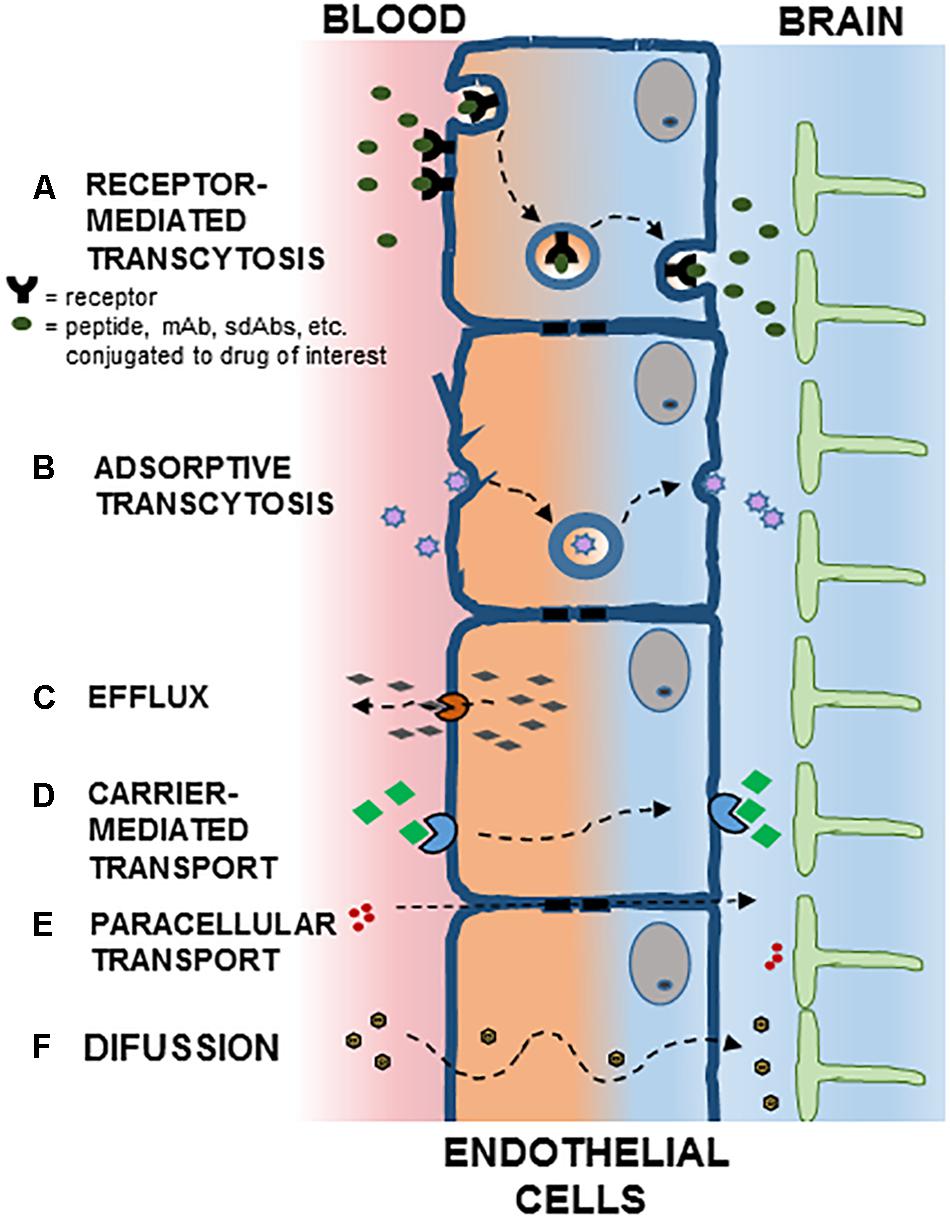
The proposed dual-pathway strategy reflects this principle. Targeting the transferrin receptor enables transport across the blood–brain barrier, while targeting nicotinic acetylcholine receptors interferes with viral entry and spread. This combined approach directly addresses the time-sensitive progression of rabies and the rapid accumulation of virus within neural tissue.
Unlike current treatments, which are ineffective after symptom onset, this framework introduces a method that could potentially function during later stages of infection. By leveraging both transport and neutralization mechanisms, it provides a more comprehensive strategy for limiting disease progression.
Importantly, this work is computational and represents an early-stage model. Experimental validation is required to confirm biological effectiveness.
Conclusion
Rabies treatment requires an integrated, dual-target approach that combines effective delivery with targeted viral inhibition, offering a new direction for developing post-onset therapeutic strategies.
What's Next?
WHAT’S NEXT?
Future Research and Optimization
Experimental Validation: Conduct in vitro binding assays and in vivo murine studies using fluorescent-tagged variants to track biodistribution and confirm BBB transcytosis.
Optimization & Efficacy: Use rabies-infected neuronal cell lines to quantify viral inhibition and fine-tune delivery kinetics to maximize transport efficiency while preventing receptor saturation.
Broad-Spectrum Application: This high-stability bispecific platform can be adapted to treat other major Canadian health concerns, including seasonal RSV and chronic autoimmune conditions like Multiple Sclerosis.
Clinical Translation: Seek pharmaceutical collaboration for preclinical development, aiming to provide the first viable therapeutic intervention for patients post-symptom onset of rabies.
Thanks
Acknowledgements
The author would like to thank Mr. Kattenfeld and Ms. Mallin for their guidance, insight, and continued encouragement throughout the research process, as well as her AP Biology teacher, Ms. Sankovic, for her continued academic support. The author also extends her gratitude to Aiyaan Faisal for introducing key resources used in the computational biology aspect of this project.
The author further acknowledges the consultation and support of Level 4 virologist Dr. Mike Gray, whose expertise has contributed to the continued development and validation of this research.
References
References
Lian M, Hueffer K, Weltzin MM. Interactions between the rabies virus and nicotinic acetylcholine receptors: A potential role in rabies virus induced behavior modifications. Heliyon. 2022 Sep;8(9):e10434.
Zhao P, Zhang N, An Z. Engineering Antibody and Protein Therapeutics to Cross the Blood–Brain Barrier. Antibody Therapeutics. 2022 Nov 9;5(4):311–31.
World Health Organization: WHO. Rabies [Internet]. 2024. Available from: https://www.who.int/news-room/fact-sheets/detail/rabies
Zandi F, Goshadrou F, Meyfour A, Vaziri B. Rabies Infection: An Overview of Lyssavirus-Host Protein Interactions. Iranian Biomedical Journal [Internet]. 2021 Jul 1 [cited 2026 Feb 8];25(4):226–42. Available from: http://ibj.pasteur.ac.ir/article-1-3308-en.pdf
Chopy D, Pothlichet J, Lafage M, Mégret F, Fiette L, Si-Tahar M, et al. Ambivalent role of the innate immune response in rabies virus pathogenesis. Journal of Virology [Internet]. 2011 Apr 28;85(13):6657–68. Available from: https://doi.org/10.1128/jvi.00302-11
Dotiwala AK, McCausland C, Samra NS. Anatomy, head and neck: blood brain barrier [Internet]. StatPearls - NCBI Bookshelf. 2023. Available from: https://www.ncbi.nlm.nih.gov/books/NBK519556/
Zhang W, Liu QY, Haqqani AS, Leclerc S, Liu Z, Fauteux F, et al. Differential expression of receptors mediating receptor-mediated transcytosis (RMT) in brain microvessels, brain parenchyma and peripheral tissues of the mouse and the human. Fluids and Barriers of the CNS [Internet]. 2020 Jul 22;17(1):47. Available from: https://doi.org/10.1186/s12987-020-00209-0
Wouters Y, Jaspers T, De Strooper B, Dewilde M. Identification and in vivo characterization of a brain-penetrating nanobody. Fluids and Barriers of the CNS [Internet]. 2020 Oct 14;17(1):62. Available from: https://doi.org/10.1186/s12987-020-00226-z
Wang T, He L, Jing J, Lan T, Hong T, Wang F, et al. Caffeine‐Operated synthetic modules for chemogenetic control of protein activities by life style. Advanced Science [Internet]. 2020 Dec 13;8(3):2002148. Available from: https://doi.org/10.1002/advs.202002148
Rabies [Internet]. Cleveland Clinic. 2022. Available from: https://my.clevelandclinic.org/health/diseases/13848-rabies
Laboratory methods for rabies testing [Internet]. Rabies. 2026. Available from: https://www.cdc.gov/rabies/php/labs-specimens/testing.html#:~:text=Diagnosis%20in%20humans,state%20health%20departments%20and%20CDC
Images:
How Do Neurons Work? (n.d.). [Photograph]. TheScientist Exploring Life, Inspiring Innovation. https://www.the-scientist.com/brush-up-how-do-neurons-work-70839
Global distribution of high-risk locations for human rabies (WHO, 2018). ResearchGate. https://www.researchgate.net/figure/Global-distribution-of-high-risk-locations-for-human-rabies-WHO-2018_fig1_340495041
Czupryna, A. (n.d.). [Picture of Boys showing off their four-legged friends at a rabies vaccination drive set up by the Serengeti Health Initiative in the Bariadi District of Tanzania] [Photograph]. Npr. https://www.npr.org/sections/goatsandsoda/2014/09/30/351266279/dog-gummit-the-world-can-wipe-out-rabies
Ahire, A. (n.d.). [Picture of there only being one doctor and one nurse at the Aarey hospital] [Photograph]. mid-day. https://www.mid-day.com/mumbai/mumbai-news/article/mumbai-aarey-wants-bmc-to-run-its-hospital-in-the-colony-23276422
Engineering antibody and protein therapeutics to cross the blood–brain barrier (n.d.). [Illustration of the transcytosis of carrier-cargo fusion antibodies through the BBB] [Photograph]. National Library of Medicine. https://www.ncbi.nlm.nih.gov/pmc/articles/PMC9759110/
Transcytosis to Cross the Blood Brain Barrier, New Advancements and Challenges (n.d.). [Picture of Potential mechanisms for crossing the blood brain barrier (BBB)] [Photograph]. Frontiers. https://www.frontiersin.org/journals/neuroscience/articles/10.3389/fnins.2018.01019/full
Caffeine-Operated Synthetic Modules for Chemogenetic Control of Protein Activities by Life Style (n.d.). [Picture of the use of COSMO to enhance the binding of nanobodies against the RBD domain from the SARS-CoV-2 spike protein] [Photograph]. WILEY Online Library. https://onlinelibrary.wiley.com/doi/10.1002/advs.202002148
Why we need female mice in neuroscience research (n.d.). [Photograph]. The Harvard Gazette. https://news.harvard.edu/gazette/story/2023/03/study-confirms-why-we-need-female-mice-in-neuroscience-research/
[Logos for iMODS, ExPasy, ProDy, IEDB, ToxinPred, AllerCatPro, and HDOCK]. (2024). Retrieved from respective official web server portals.
Software and Computational Servers:
Bakan, A., Meireles, L. M., & Bahar, I. (2011). ProDy: Protein dynamics and sequence analysis. Bioinformatics, 27(11), 1571-1572.
Berman, H. M., Westbrook, J., Feng, Z., Gilliland, G., Bhat, T. N., Weissig, H., Shindyalov, I. N., & Bourne, P. E. (2000). The Protein Data Bank. Nucleic Acids Research, 28(1), 235-242.
Gasteiger, E., Hoogland, C., Gattiker, A., Duvaud, S., Wilkins, M. R., Appel, R. D., & Bairoch, A. (2005). Protein identification and analysis tools on the ExPasy server. In The Proteomics Protocols Handbook (pp. 571-607). Humana Press.
Gupta, S., Kapoor, P., Chaudhary, K., Gautam, A., Kumar, R., & Raghava, G. P. (2013). In silico approach for predicting toxicity of peptides and proteins. PLoS ONE, 8(9), e73957.
López-Blanco, J. R., Aliaga, J. I., Quintana-Ortí, E. S., & Chacón, P. (2014). iMODS: internal coordinates normal mode analysis server. Nucleic Acids Research, 42(W1), W271-W276.
Maurer-Stroh, S., et al. (2019). AllerCatPro 2.0: A web server for predicting protein allergenicity potential. Bioinformatics Institute (BII).
Vita, R., Mahajan, S., Overton, J. A., Dhanda, S. K., Martini, S., Cantrell, J. R., Wheeler, D. K., Sette, A., & Peters, B. (2019). The Immune Epitope Database (IEDB): 2019 update. Nucleic Acids Research, 47(D1), D339-D343.
Yan, Y., Zhang, D., Zhou, P., Li, B., & Huang, S. Y. (2017). HDOCK: a web server for protein-protein and protein-DNA/RNA docking based on a hybrid strategy. Nucleic Acids Research, 45(W1), W365-W373.
Images (23)

Awards (2)
- Bronze Medal
- Selected for CWSF 2026
Competition history
- CWSF 2026
Related projects
ISEF · 2026
Rabies Neuroinvasion and Incubation Period in Humans
ISEF · 2024
Neuropath: Multi-Computational Framework for Developing a Receptor-Based Transcytosis Approach to Facilitate BDNF Transmission for Alzheimer’s Progression Prevention
ISEF · 2016
Applying Viral Nanoparticles in a Treatment Vector for Alzheimer's Disease Using Molecular Dynamics Simulations
ISEF · 2026
ANV-Probe: Deteriorative Airborne Neurotropic Virus and Immune Modulation Using a Novel DNA Aptamer-Eggshell Vitelline Membrane Metal-Organic Framework in Caenorhabditis elegans
ISEF · 2022
De Novo Nanobody Design With Neural Networks, AlphaFold, and Docking Algorithms
ISEF · 2014
Computational Analysis of the GABA(A) Receptor
ISEF · 2023
Use of an Artificial Intelligence Model for Drug Redirection Against Feline Rhinotracheitis
CWSF · 2026
NeuroRegen: In-Silico Design of Dual-Action Intranasal Nanoparticle Therapy for Alzheimer’s Disease
Closest projects by meaning, across every fair and year in the corpus.