Sip Sustainably: The Rheology and Durability of Environmentally Friendly Straws
AJAS · 2024 Environmental Engineering (inferred)
Overview
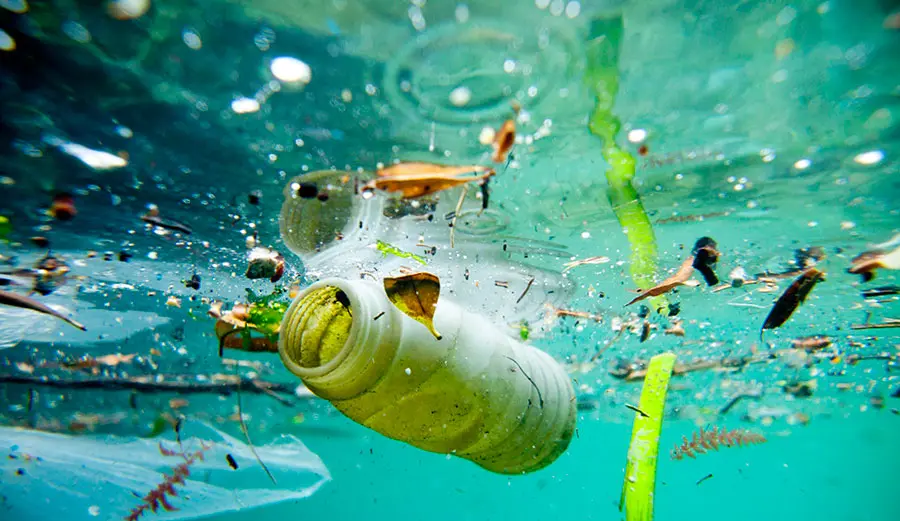
Plastics pose a large threat to aquatic wildlife as they do not break down and can leach toxins that are harmful to animals. Millions of animals die every year from plastic waste in aquatic ecosystems. Plastic straws are one of the most used plastic items and contribute to plastic pollution. Many plastic straw alternatives are weak and not durable. The purpose of this project was to find a compostable plastic straw alternative that is durable. Based on their properties, it was hypothesized that sugarcane and agave straws would remain durable after water immersion. It was further hypothesized that water absorption and loss of straw material are proportional to the change in durability after immersion. To test these hypotheses, the yield strength of seven types of straws was measured before and after water immersion to measure the change in durability. To measure water absorption and loss of straw material, each type of straw’s mass was measured dry, after immersion, and after being dried. Paper, coconut, and rice straws had large changes in durability, and also showed high levels of absorption and lost straw material after immersion. Plastic, polylactic acid, sugarcane, and agave straws had small changes in durability, absorbed little water, and did not break down. It was shown that water absorption and change in mass after water treatment and drying are proportional to changes in durability. Further research would include testing how straws perform in liquids with different pH levels, which would mimic acidic sodas and other common drinks.
Competition history
- AJAS 2024
Related projects
CSEF · 2019
Testing the Decomposition of Alternatives to Plastic Drinking Straws Under Simulated Environments.
CSEF · 2019
Decomposing Drinking Straws
ISEF · 2021
Designing a Bioplastic Material to Replace Polystyrene and Polypropylene in Single-Use Hard Plastics that Rapidly Degrades in Landfill, Freshwater, and Saltwater Environments
CSEF · 2018
AlgalPlast: Sustainable Bioplastic from Algae and Its Effect on Tensile Strength, Water Permeability, and Compostability
ISEF · 2022
Development of Seaweed Bioplastics to Alleviate Environmental Plastic Pollution
ISEF · 2022
Further Studies on the Application of Novel Rapidly Degrading Bioplastics Derived From Upcycled Waste Products To Replace Polystyrene and Polypropylene in Single-Use Hard Plastics Like Cutlery
CWSF · 2026
Gone With The Tide: The Biodegradation of Bioplastics in a Simulated Marine Environment
CSEF · 2019
Manipulating Concentrations of Plant-Based Starches to Optimize Durability for Use in Biodegradable Plastics
Closest projects by meaning, across every fair and year in the corpus.
Browse more like this
Source: AAAS Annual Meeting (Confex) / American Junior Academy of Science