The Environmental Effect on Aquatic Ecosystems of Run-Off From Wildfires Where Fire Retardant Slurry Was Used
ISEF · 2021 Earth and Environmental Sciences
Overview
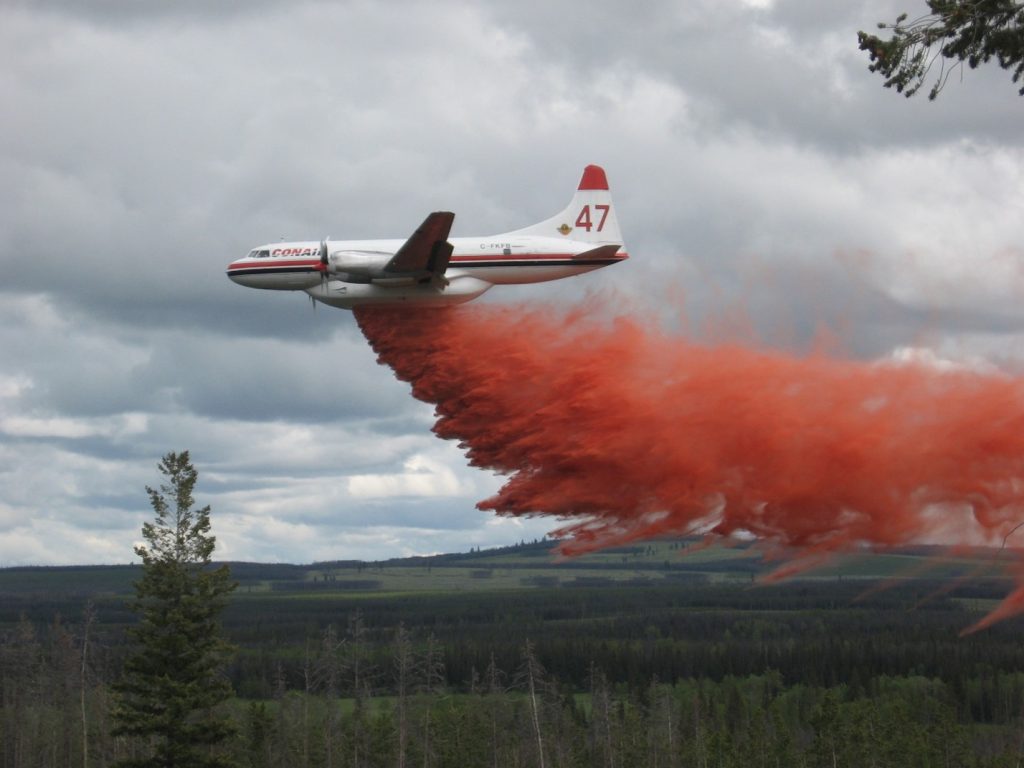
Fire-retardant slurries have become a popular method for extinguishing fire, particularly when man-made structures are at risk. However, the chemicals within fire-retardant slurries are known to be toxic to some degree, and these fire-retardant slurries may have long-term adverse effects on sensitive aquatic ecosystems that are not carefully monitored or researched. Specifically, Phos-Chek is the most commonly used fire-retardant slurry for wildfires, so the background information is based on this assumption. After gathering water and soil samples from the Elephant Butte and Lefthand Fires, the samples were sent to the lab to test for the presence of chemical contaminants indicative of Phos-Chek using ion chromatography columns and total nitrogen testing. Specifically, I focused on sulphate, phosphate, and nitrogen contamination levels because these elements are commonly used in fire-retardant slurries. These results indicated no long-term presence of Phos-Chek in the Lefthand samples. Elephant Butte Fire samples illustrated the expected trends (the firezone had higher contamination levels than the samples from above), suggesting that there was Phos-Chek or fertilizer contamination at the Elephant Butte firezone. My results are consistent with Phos-Chek having long-lasting impacts on small rivers, suggesting that further research is warranted. Using pre-existing information, it can be assumed that Phos-Chek would cause acute mortality for sensitive aquatic populations.
Competition history
- ISEF 2021
Resources
Related projects
ISEF · 2016
The Effects of Forest Fires on Stream Invertebrates and Water Quality at Two Different Sites in New Mexico
ISEF · 2026
Evaluating the Effects of Ash Contamination on Diatom Photosynthesis
ISEF · 2025
Urban and Rural Fire Disasters: Engineering and Testing of Novel Alg/Cs/BET 'Beads for the Rapid Abatement of Post-Fire Waterborne Pollutants
ISEF · 2021
Analyzing the Effects of Spruce Beetles on Aquatic Ecosystems through Macroinvertebrate and Water Quality Sampling in Conejos County, Colorado
CWSF · 2026
From Flames to Flow
ISEF · 2022
Effectiveness of a Fire-Fighting Foam as an Eco-Friendly Replacement
ISEF · 2021
The Utilization of Bambusa vulgaris Biochar to Address Runoff Contamination Following Intense Forest Fires
ISEF · 2023
Runoff of Chemical Herbicide Paraquat and Its Concentration in the Environment
Closest projects by meaning, across every fair and year in the corpus.
Browse more like this
Source: Regeneron International Science and Engineering Fair