Chewing Gum: A Sticky Situation
CYSF · 2025
Overview
I will be testing different solvents if it can dissolve the gum.
Hypothesis
My hypothesis is that out of all the solvents, citronella will dissolve the gum. Gum is mainly made out of gum base which is synthetic polymers, elastomers, resins, waxes, fillers, and softeners. Citronella can mix with the gum polymers and make the structure weaker. When this happens, the gum becomes slimy.
Research
I like to chew gum, but one day I accidentally came into contact with a piece of chewed gum stuck under a desk. I felt it was disgusting so I wanted to remove it, I did not just want to remove it the physical way but with a more scientific approach. I wanted to test different solvents to see if they can dissolve gum and be used for everyday cleanup. The ingredient that all the gum has is gum base. Gum base is a material made from polymers, plasticizers, and resins. So when I asked ChatGPT about how to dissolve gum with solvents, it gave me: alcohol, vinegar, WD-40 and citronella. I chose: Alcohol: It can break down the polymer which makes it less sticky. Vinegar: It is acidic which means it can break down the gum texture. WD-40: It is a lubricant which removes the stickiness from the gum. Citronella: It is oil which weakens the gum grip on the surface so that it falls down.
Variables
Independent Variable: The independent variable is the type of gum, the solvent and time.
Dependent Variable: The dependent variable is whether the gum is dissolved by the solvents.
Controlled Variable: The controlled variable is the water for my experiment.
Procedure
1. I chew the gum and then put it in the test tube.
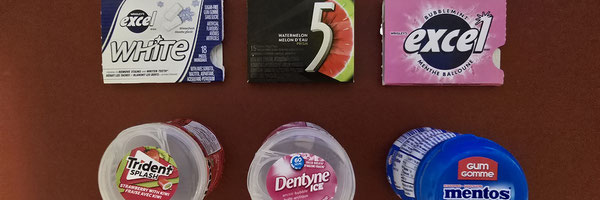
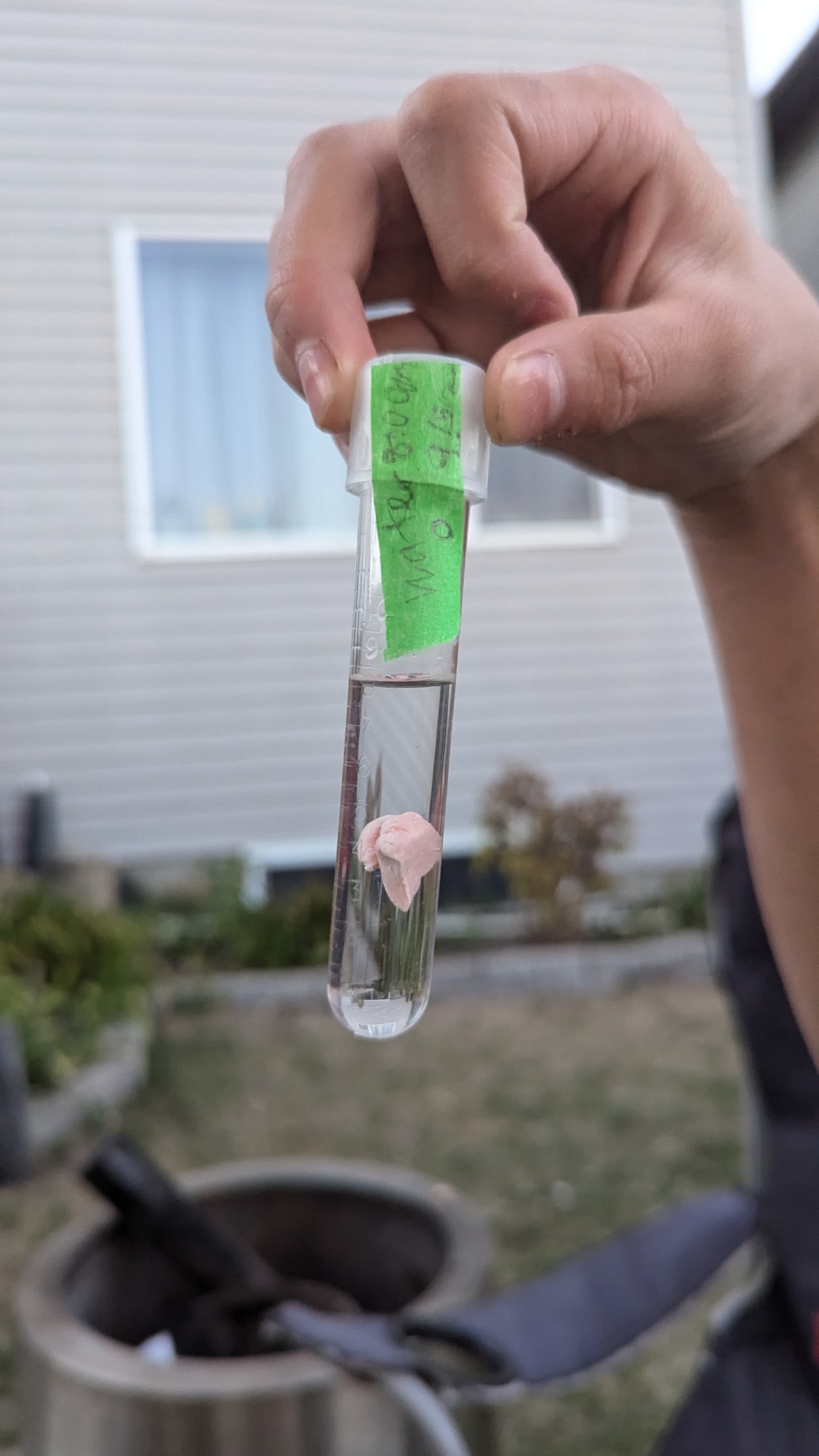
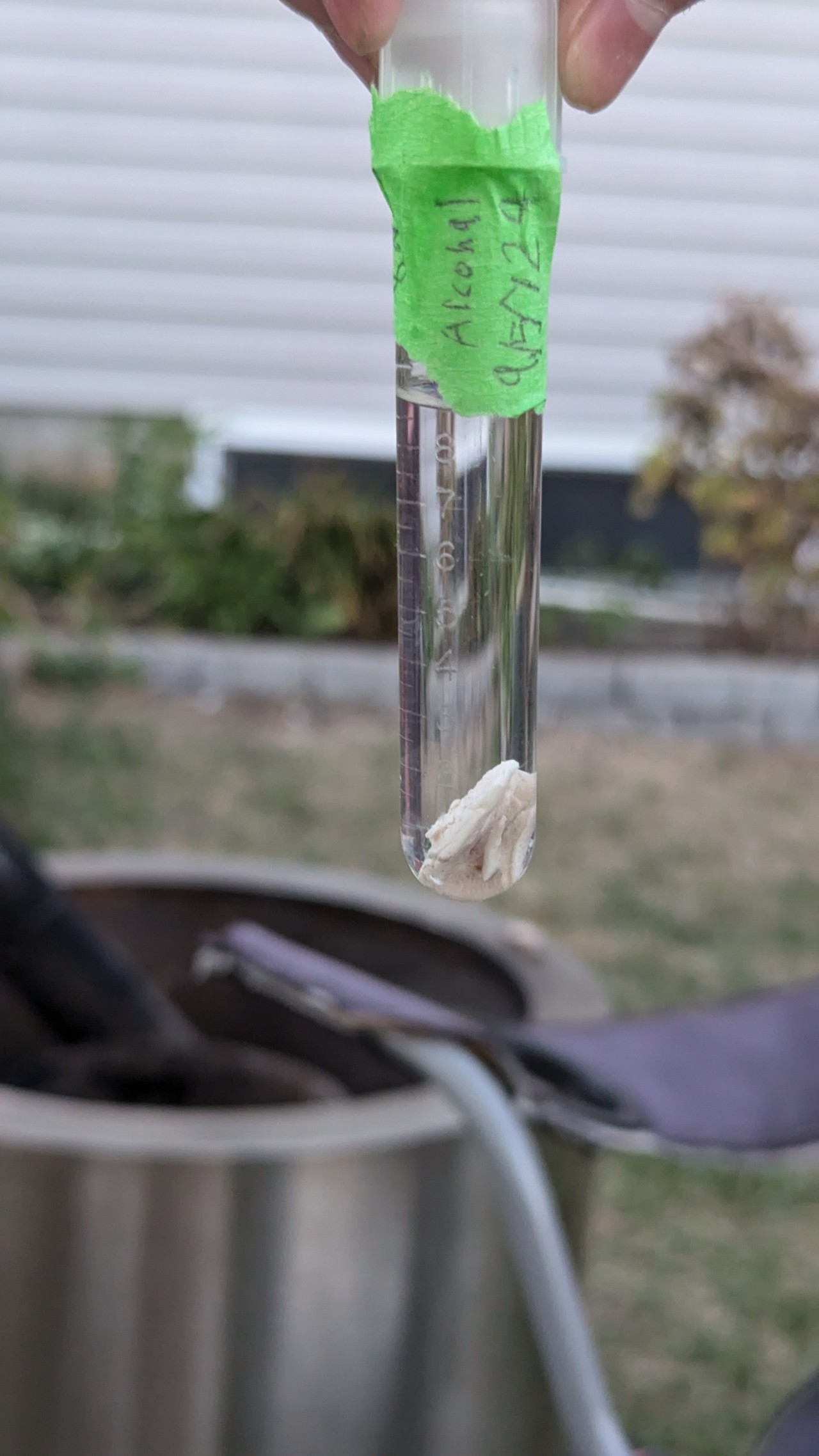
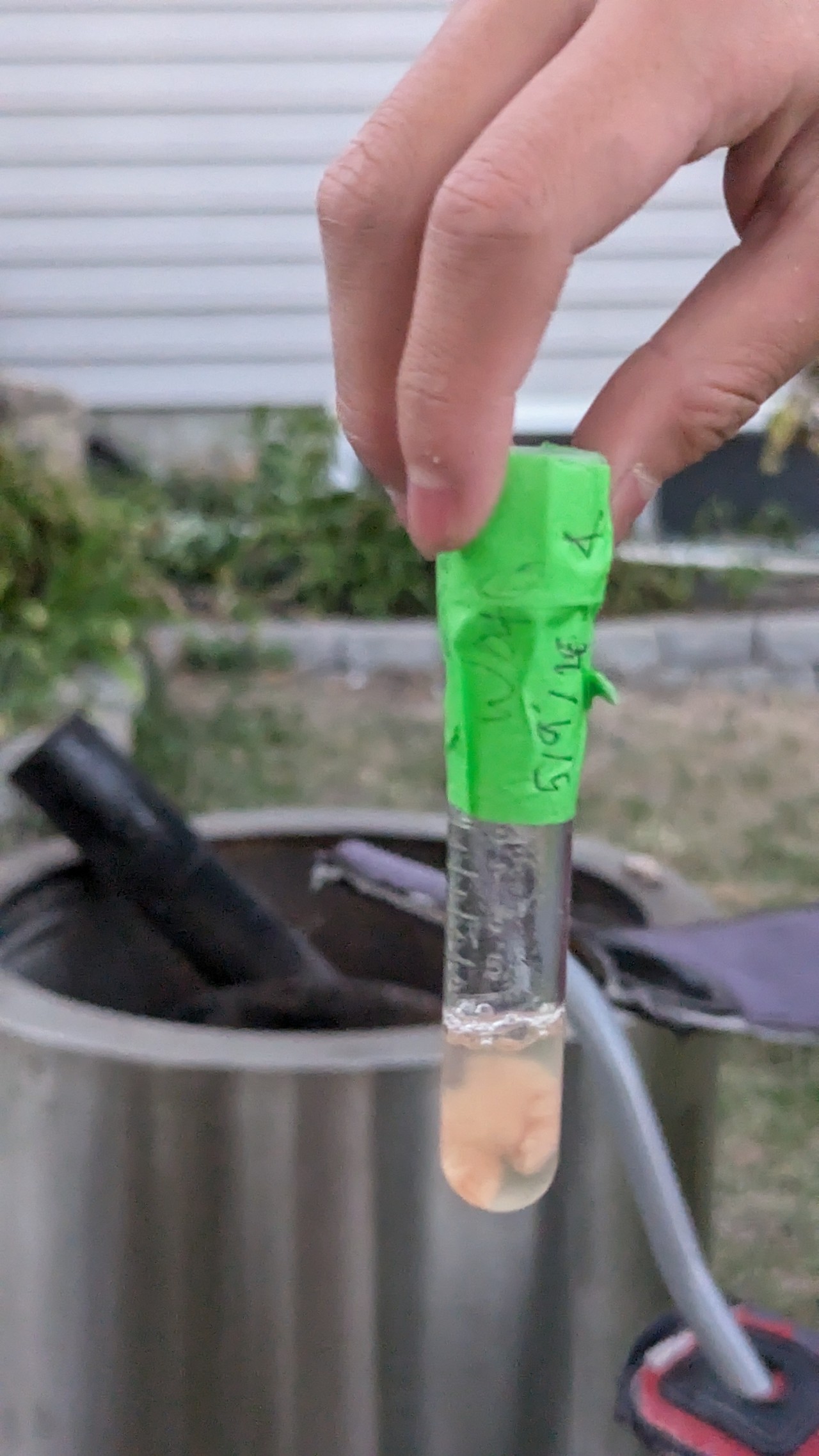
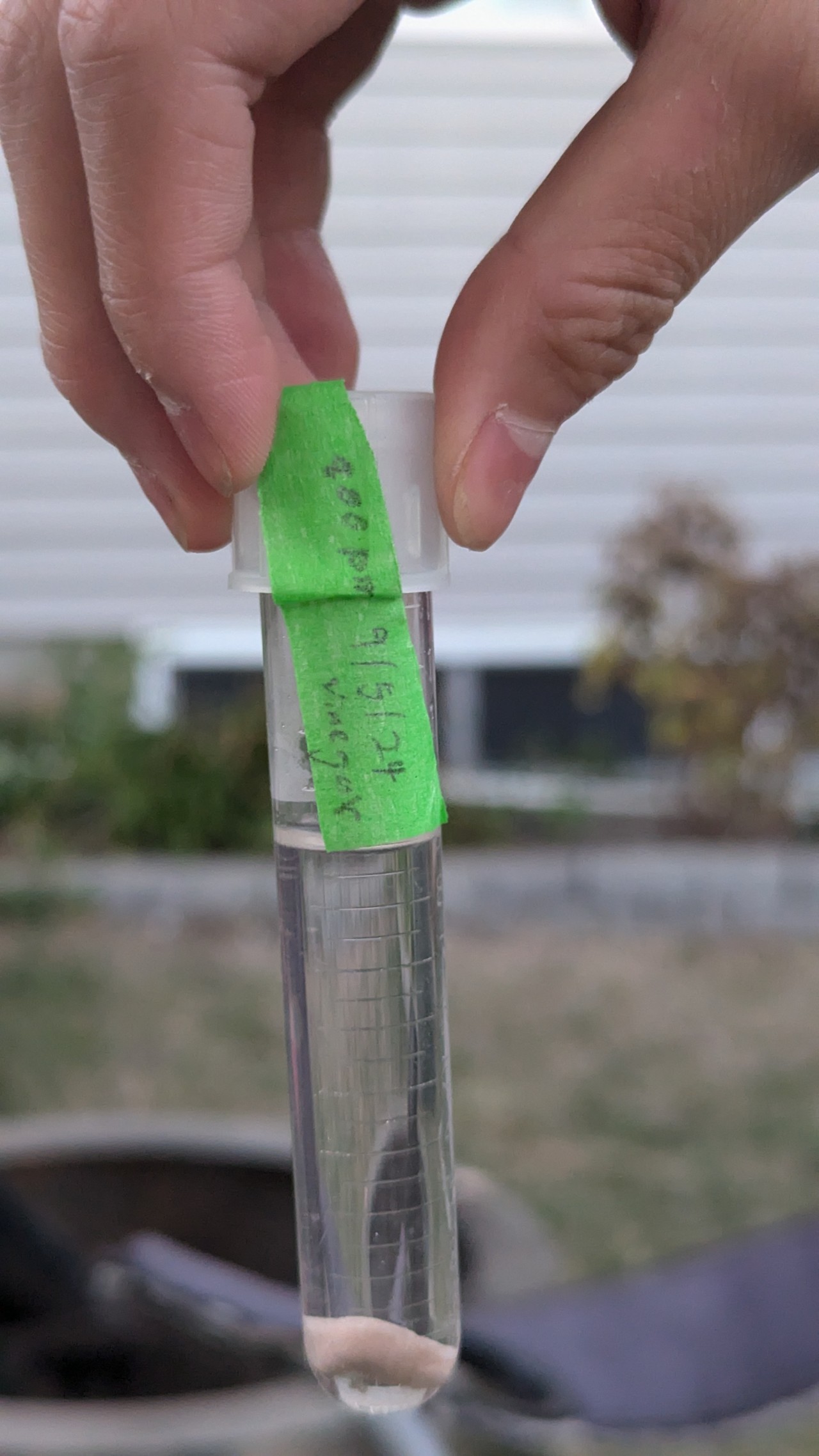
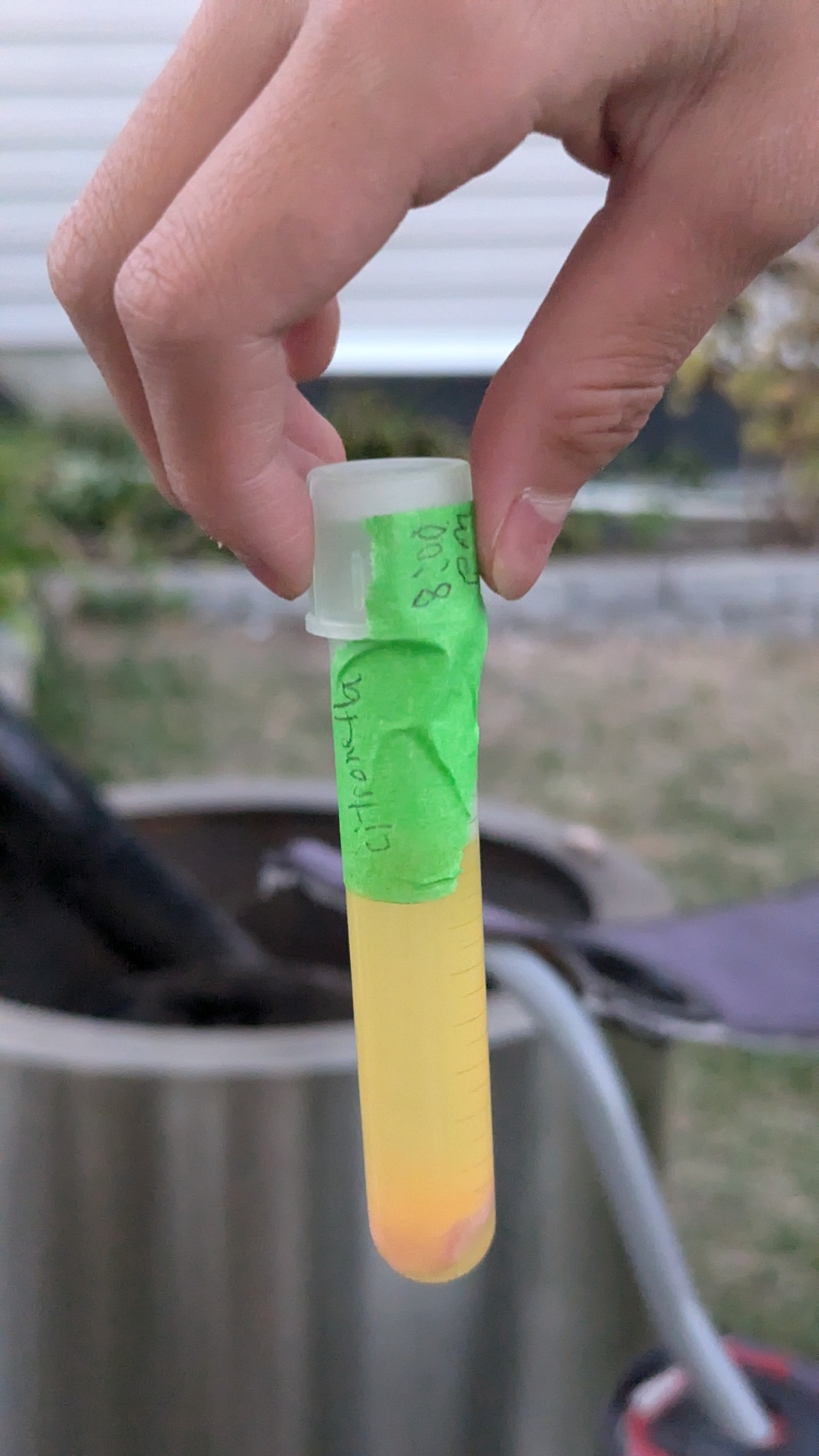
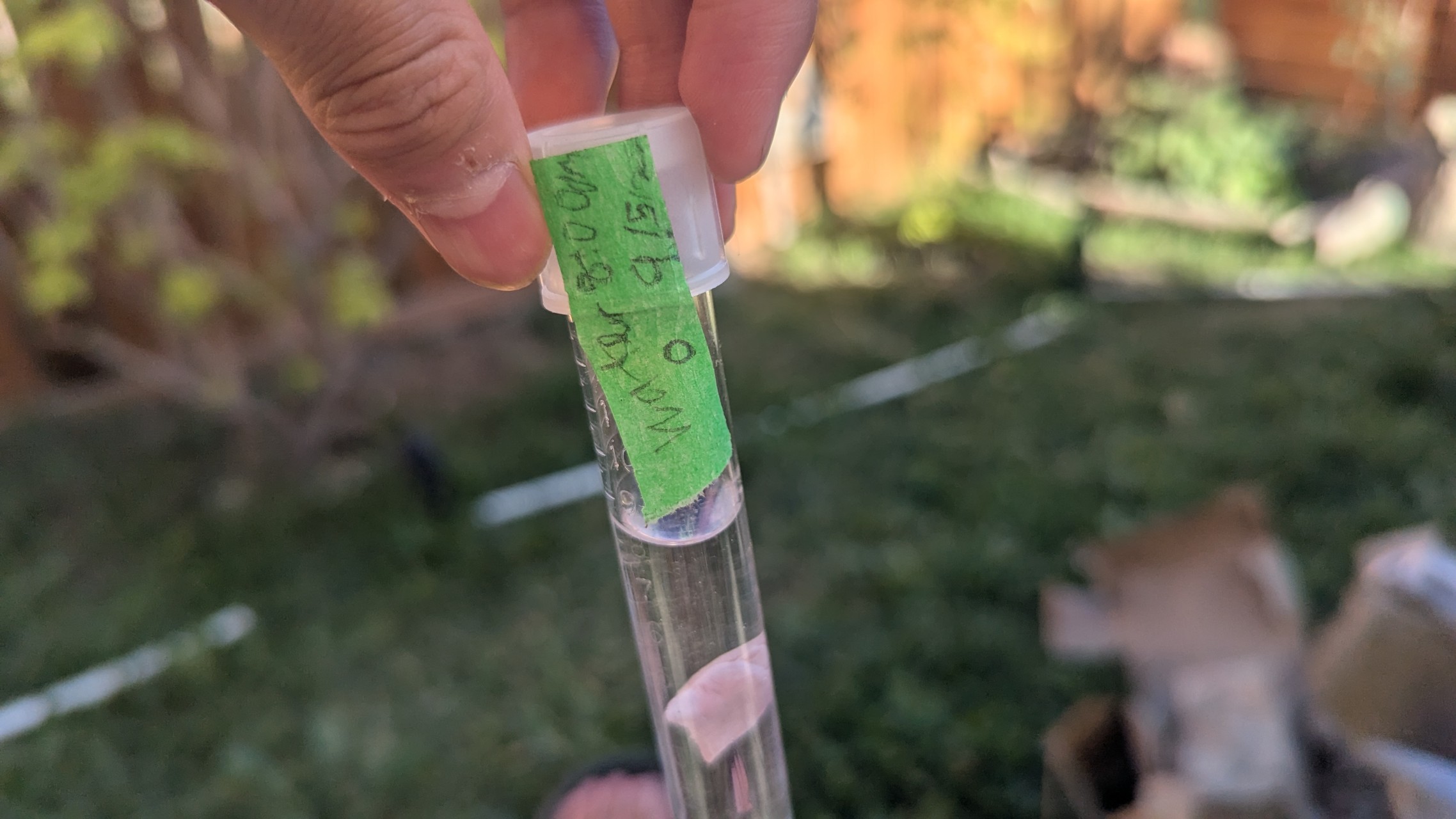
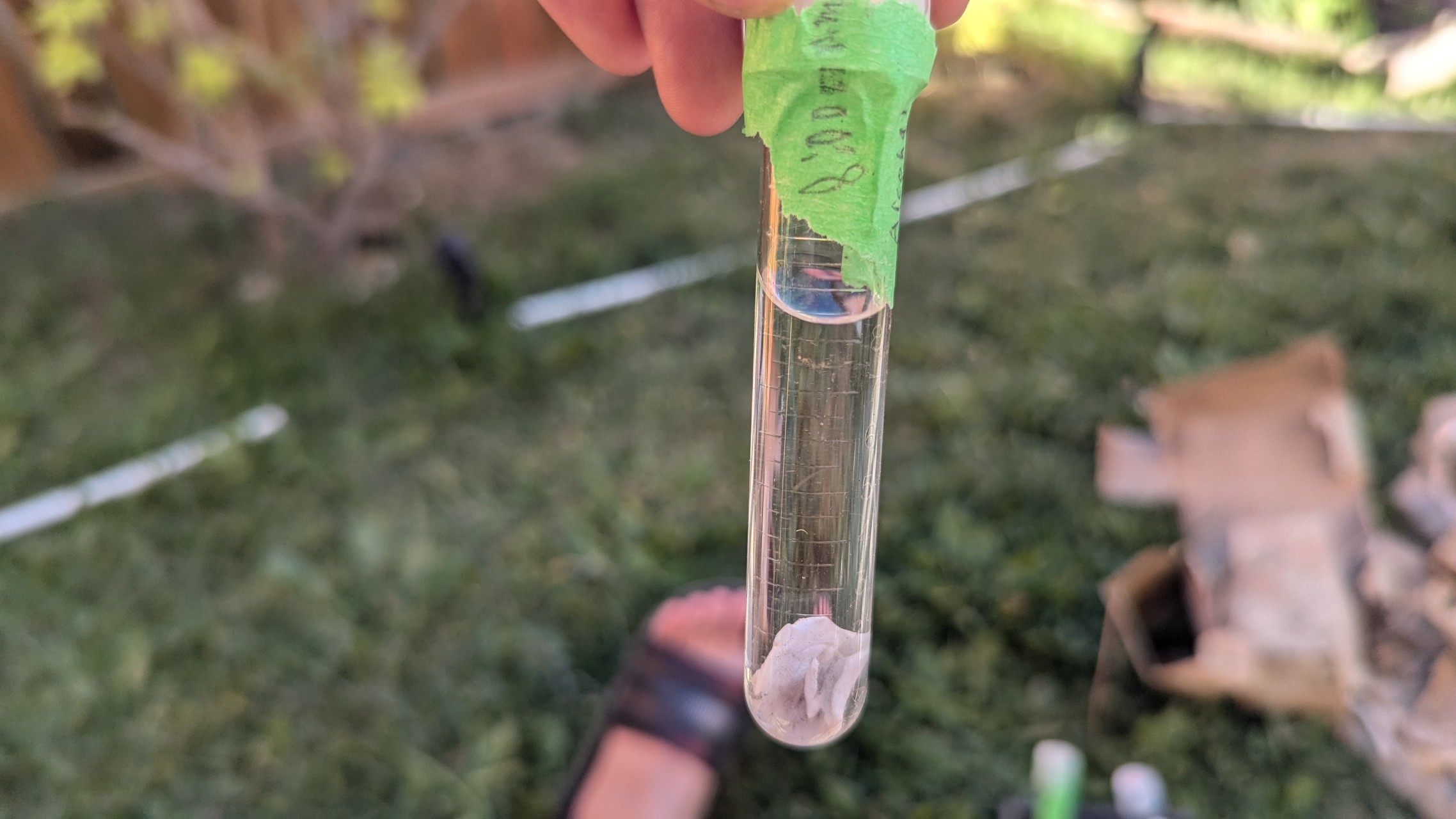
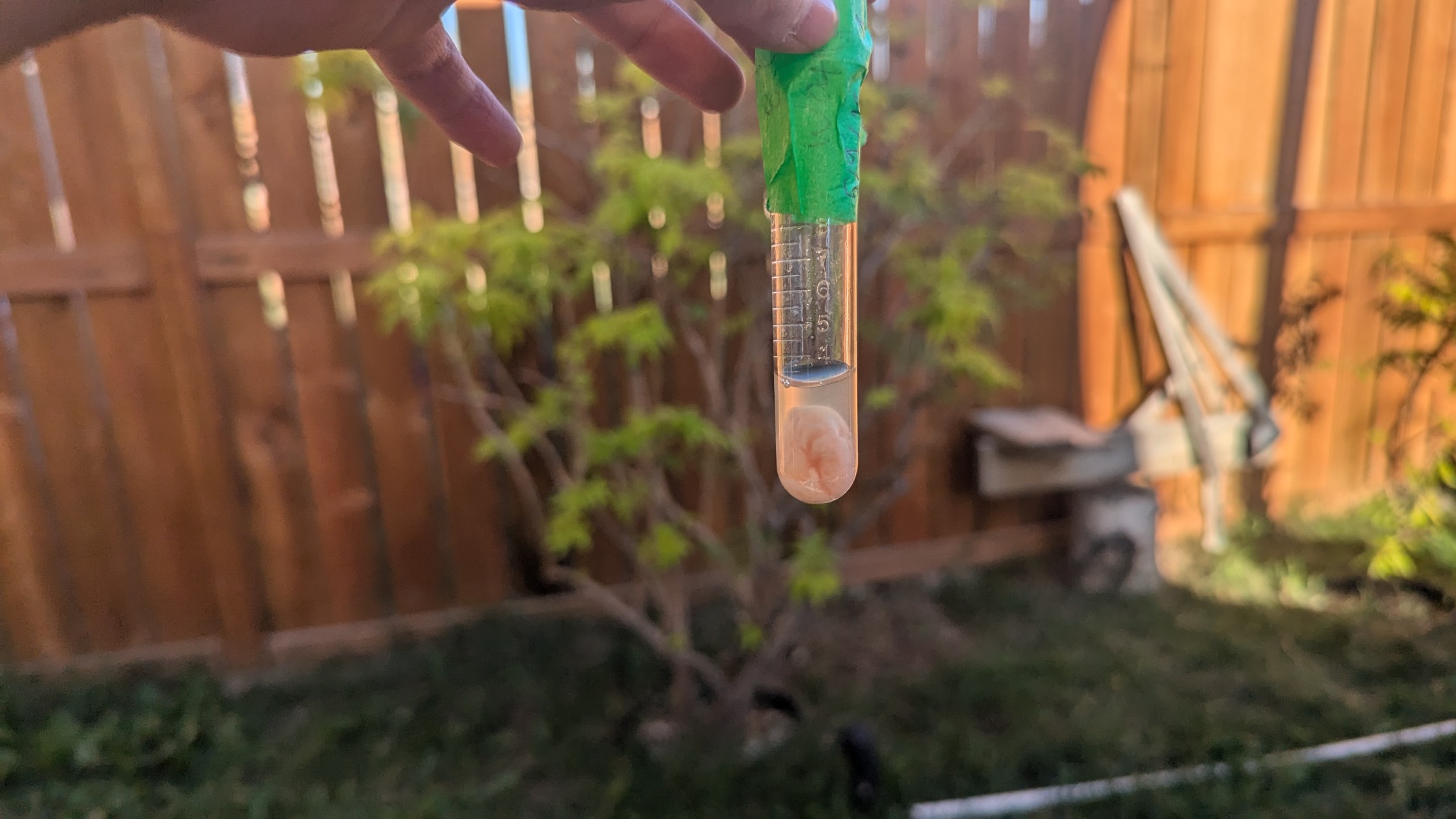
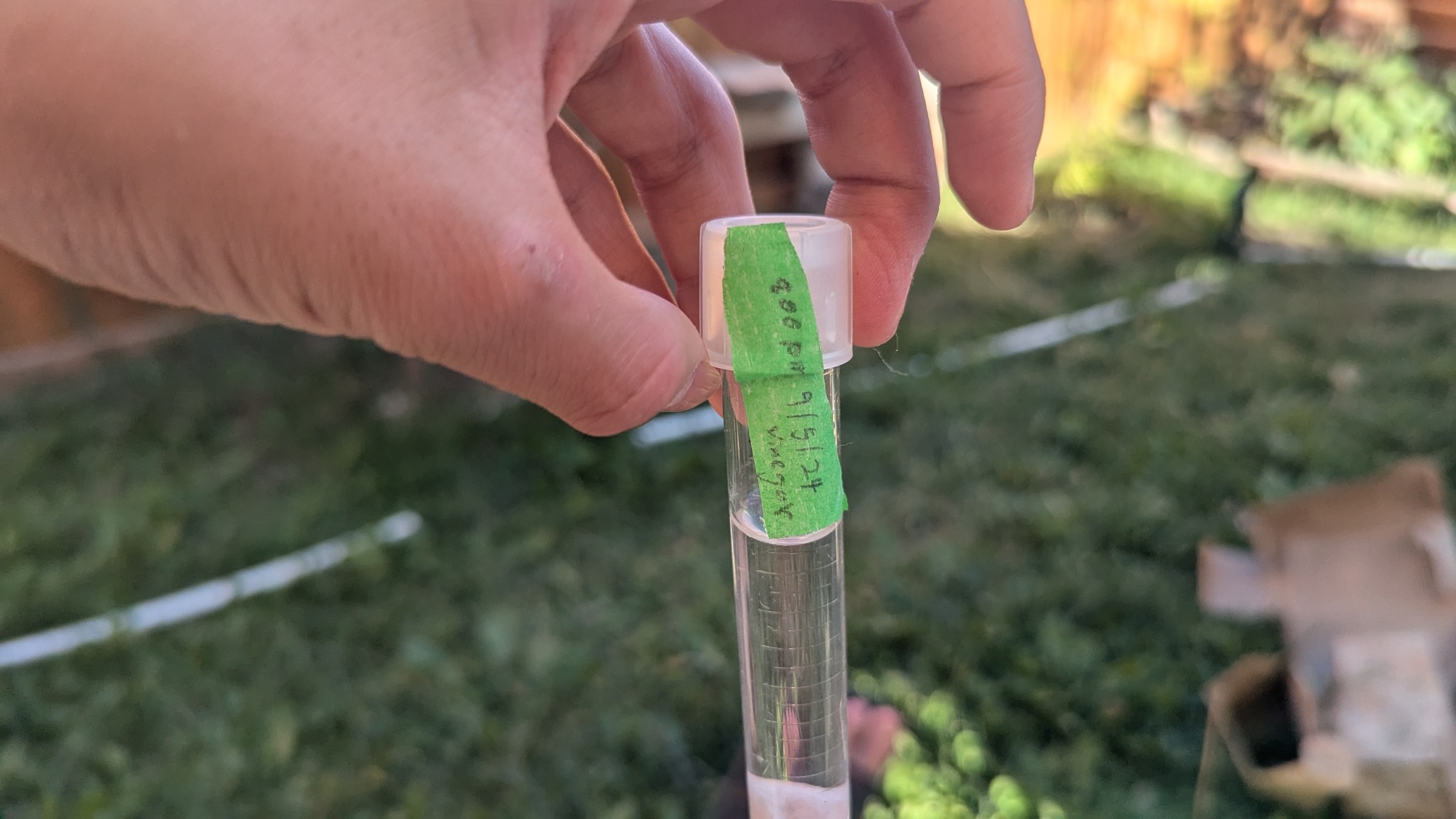
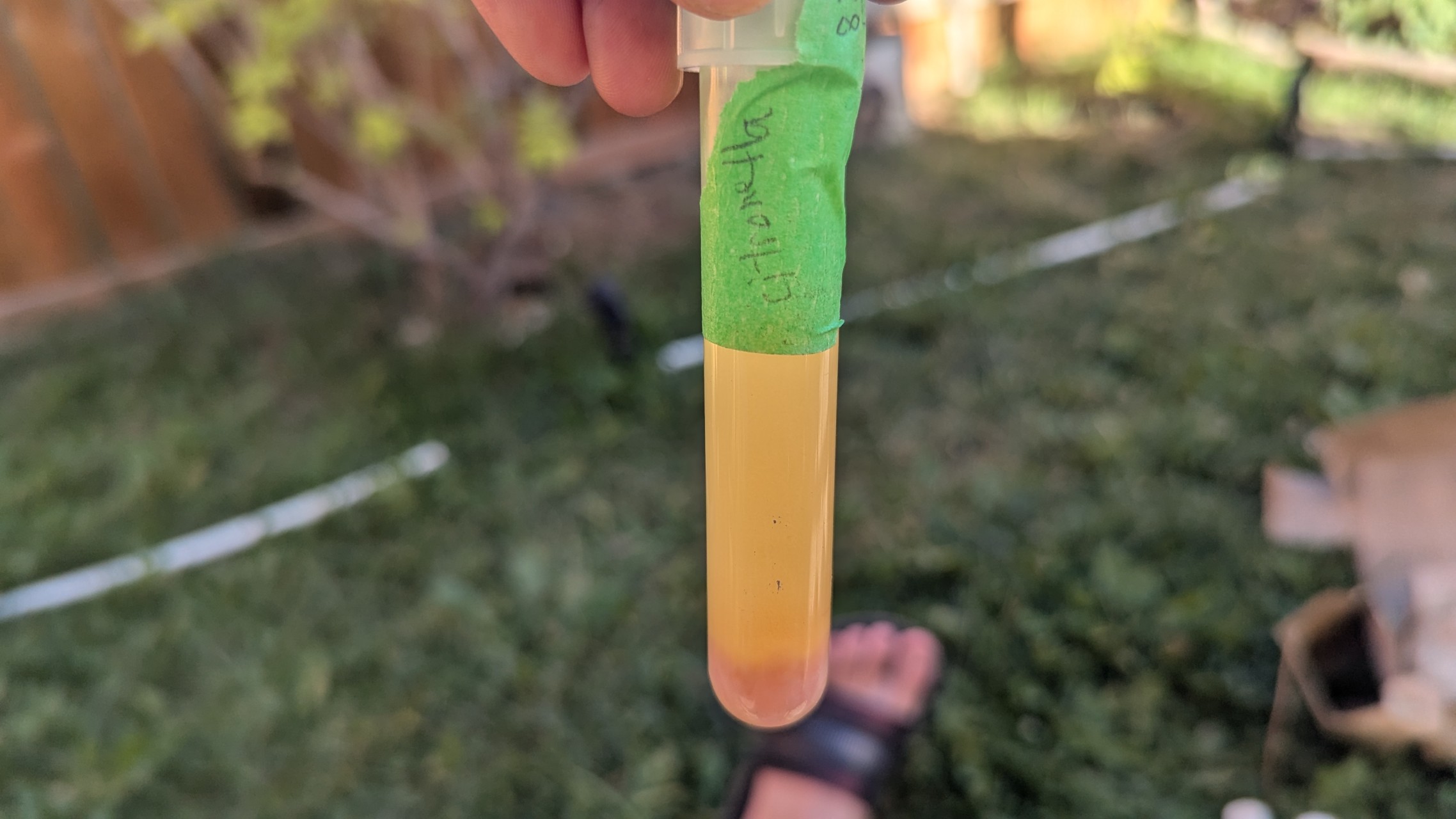
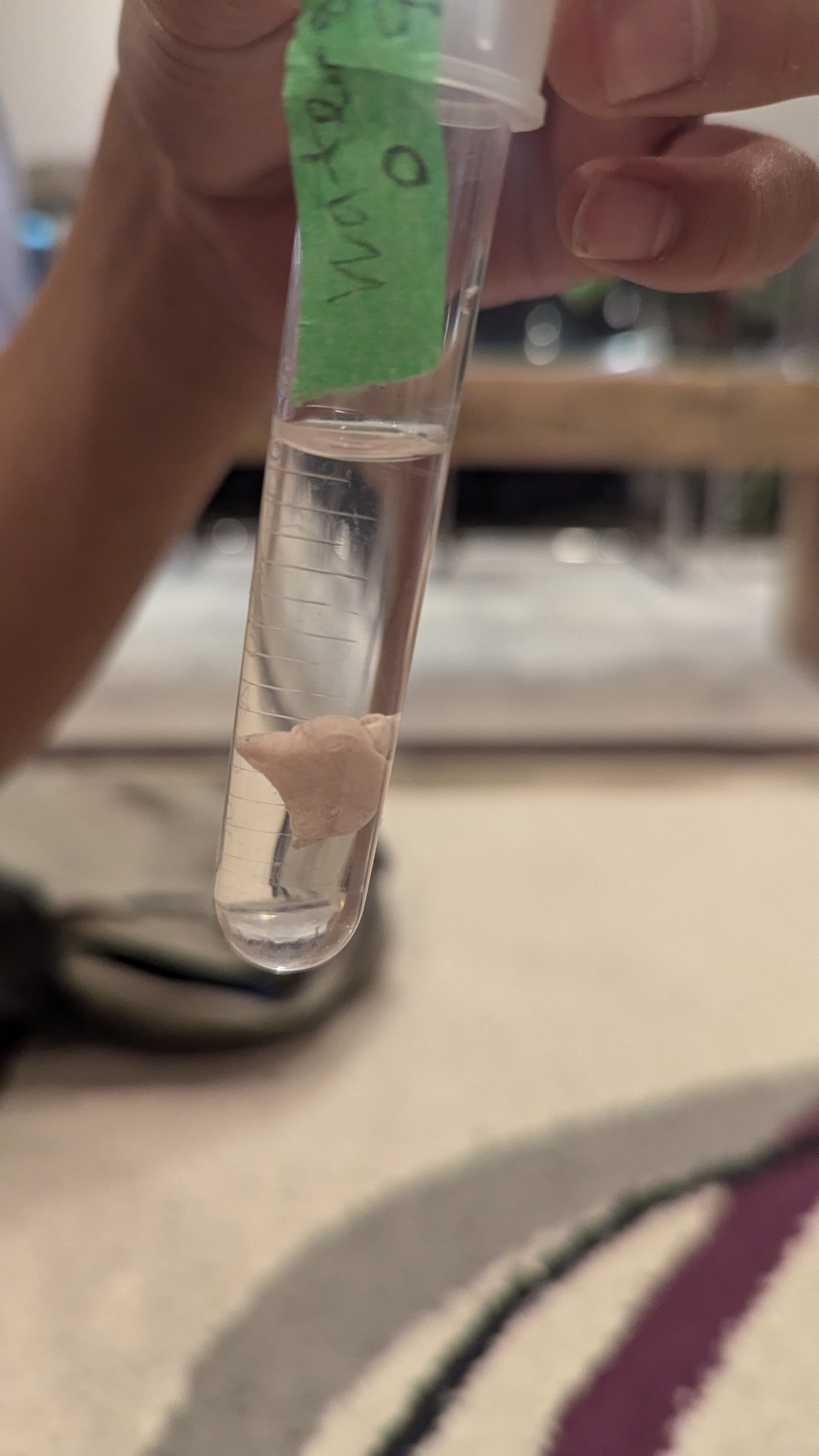
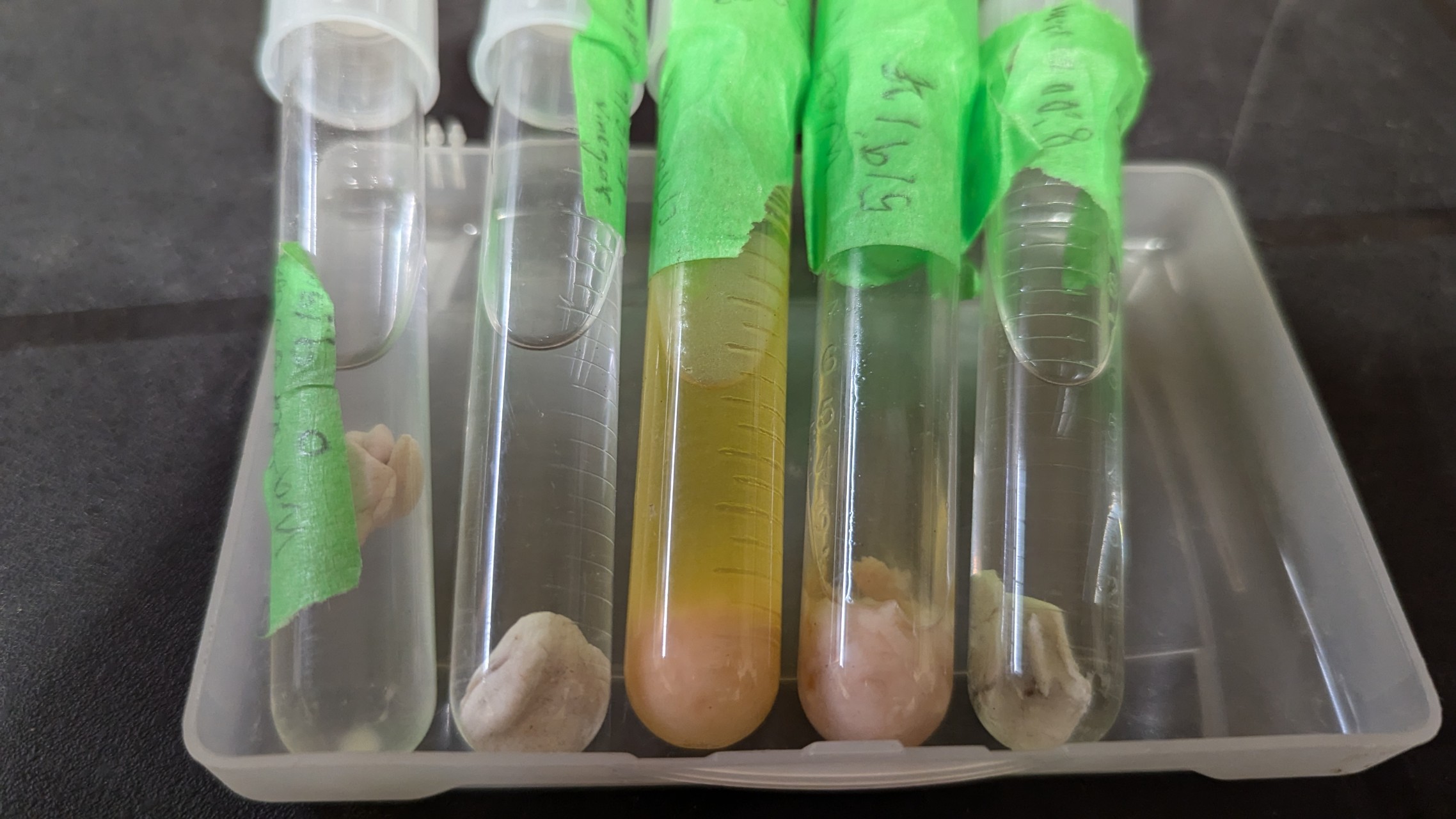
2. I placed multiple types of solvent: water, alcohol, vinegar, WD-40, and citronella into the test tubes, and paired them with different types of gum: Trident, 5 Gum, Dentyne, Mentos, Hubba Bubba, and Excel. Each solvent contains 8.5 ml, except for the WD-40, which contains 3 ml.
3. Each test runs for 24 days. Every few days I check on the experiment, take pictures, and record my observations.
4. At the end of the 24 days, I open the gum and feel the changes.
Observations
I observed the gum every few days and took pictures of them. I ended the experiment in 24 days.
Day 1
Solvents | Slimy | Dissolve | Shape Change
Water | ✖ | ✖ | ✖
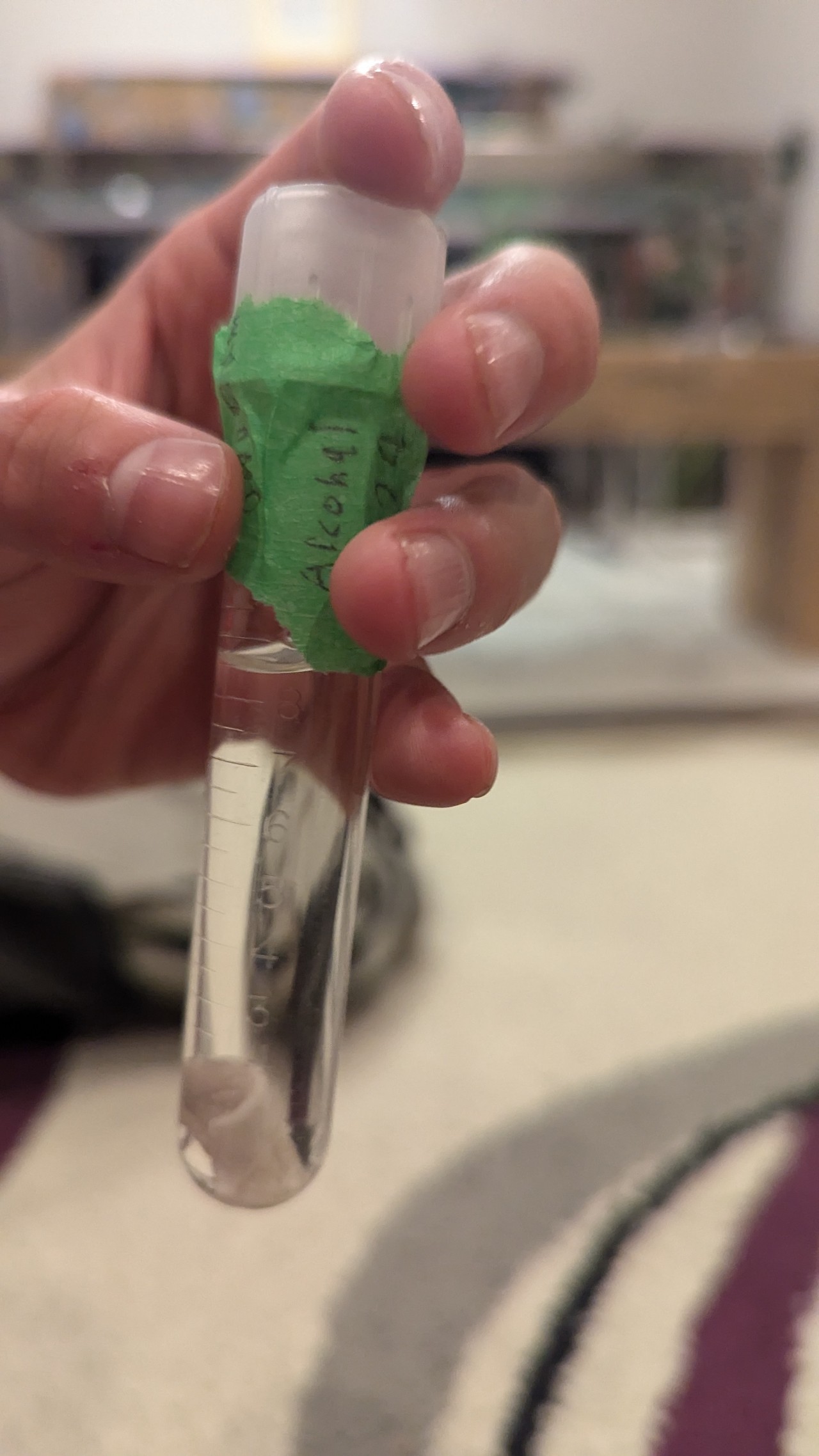
Alcohol | ✖ | ✖ | ✖
WD-40 | ✖ | ✖ | ✖
Vinegar | ✖ | ✖ | ✖
Citronella | ✖ | ✖ | ✖
Day 5
Solvents | Slimy | Dissolve | Shape Change
Water | ✖ | ✖ | ✖
Alcohol | ✖ | ✖ | ✖
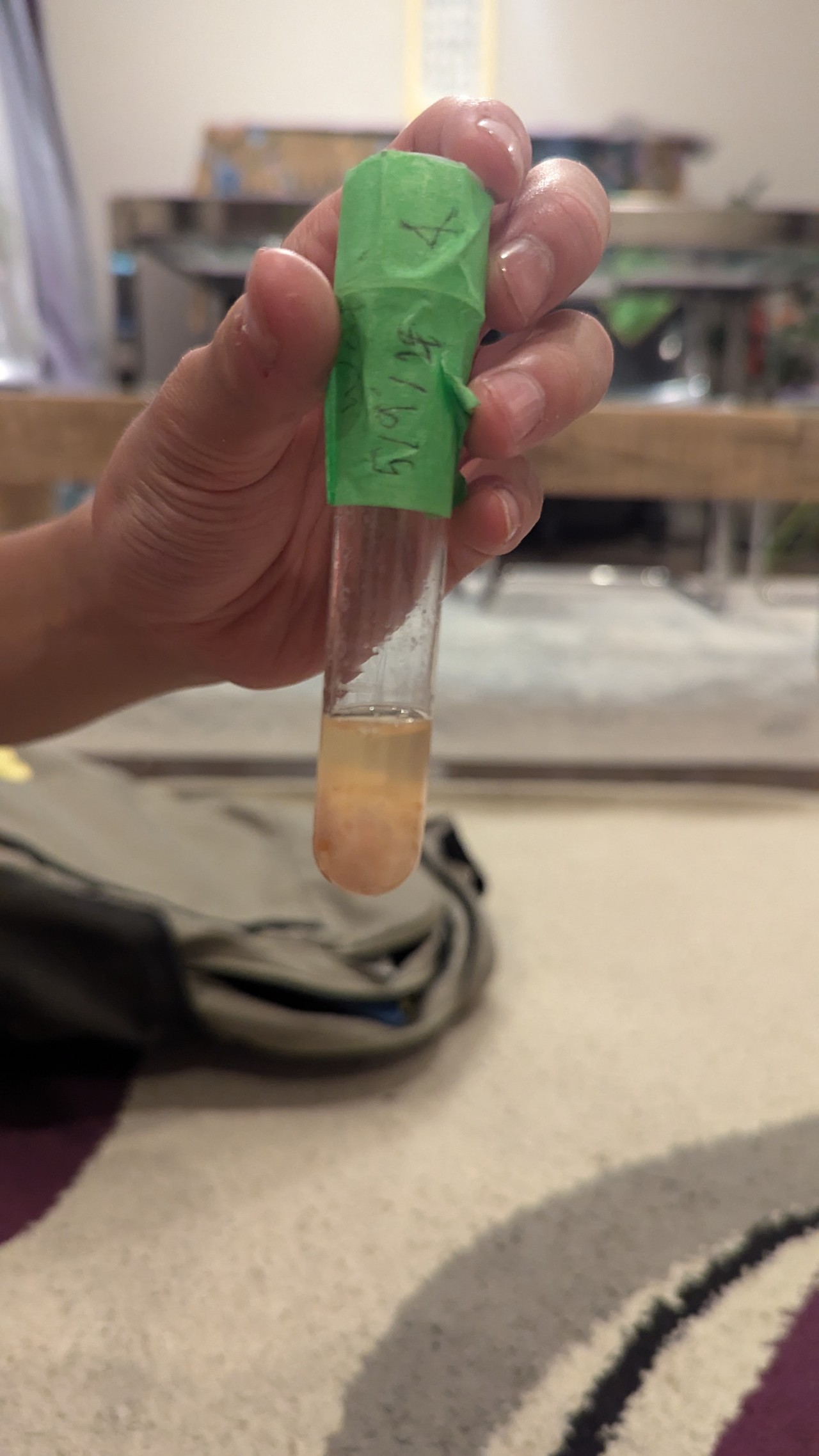
WD-40 | ✔ | ✖ | ✔
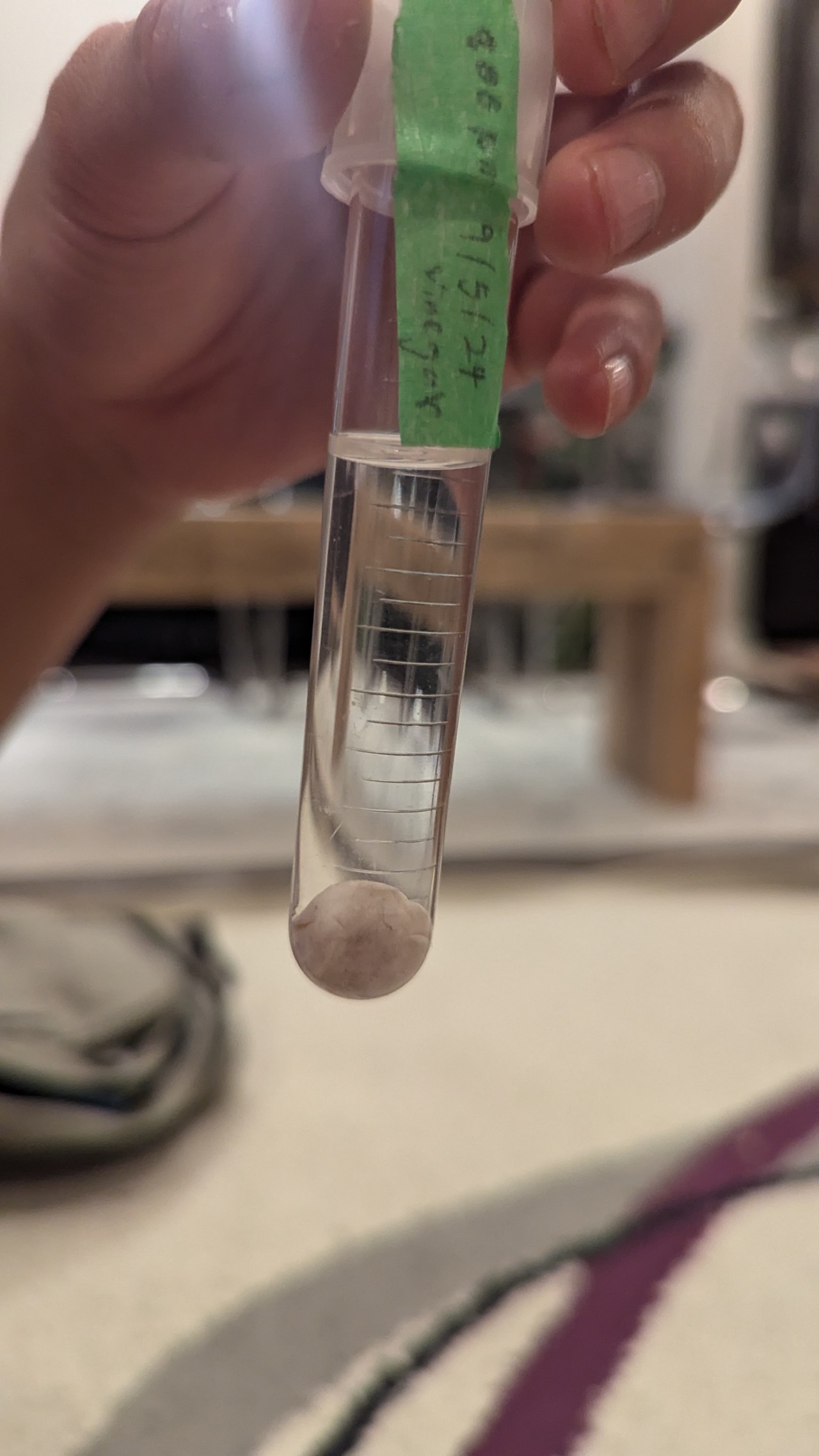
Vinegar | ✖ | ✖ | ✖
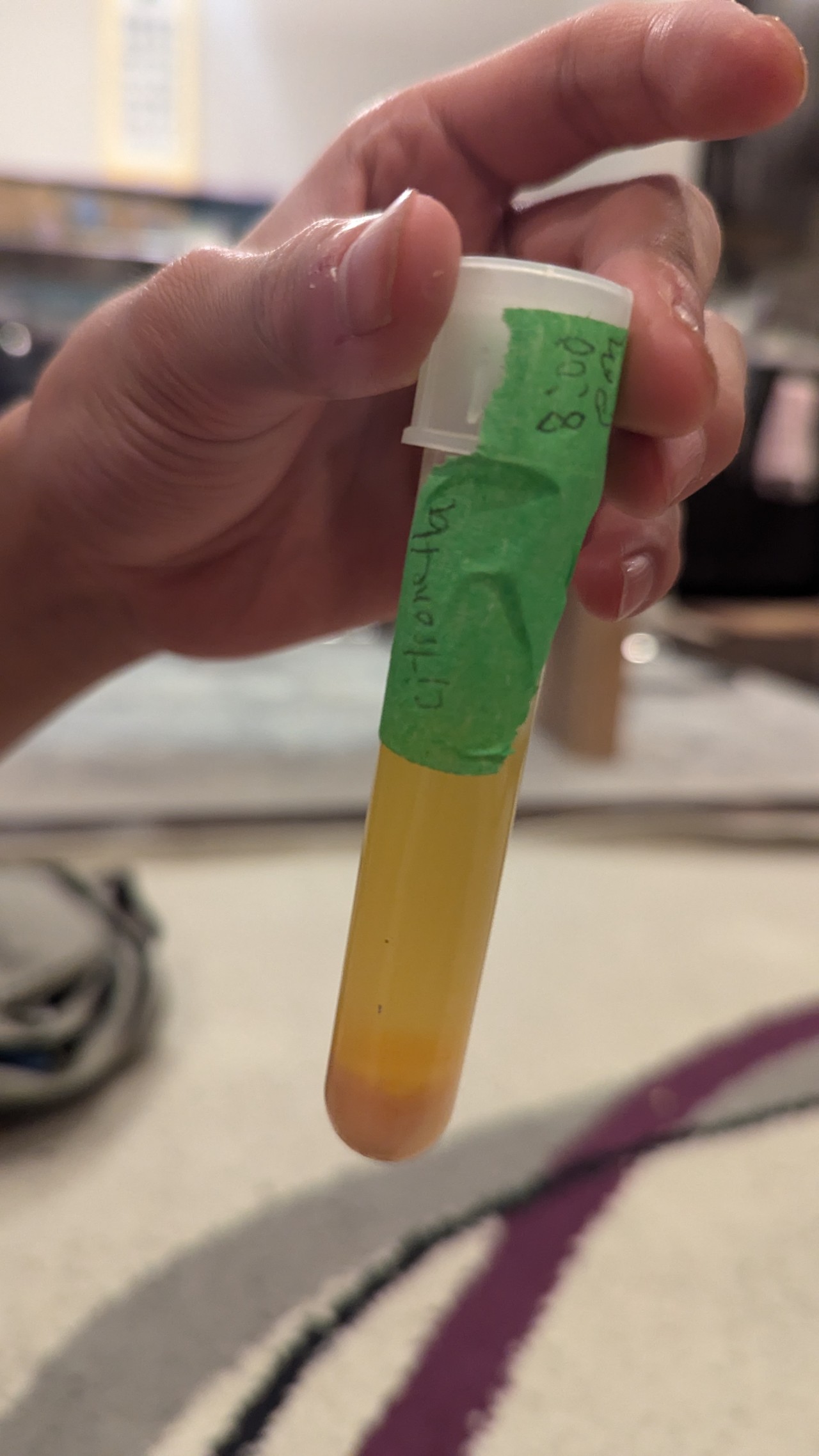
Citronella | ✔ | ✖ | ✔
Day 8
Solvents | Slimy | Dissolve | Shape Change
Water | ✖ | ✖ | ✖
Alcohol | ✖ | ✖ | ✖
WD-40 | ✔ | ✖ | ✔
Vinegar | ✖ | ✖ | ✖
Citronella | ✔ | ✖ | ✔
Day 24 (Last Day)
Solvents | Slimy | Dissolve | Shape Change
Water | ✖ | ✖ | ✖
Alcohol | ✖ | ✖ | ✖
WD-40 | ✔ | ✖ | ✔
Vinegar | ✖ | ✖ | ✖
Citronella | ✔ | ✖ | ✔
Analysis
Day 1
Solvents | Slimy | Dissolve | Shape Change
Water | ✖ | ✖ | ✖
Alcohol | ✖ | ✖ | ✖
WD-40 | ✖ | ✖ | ✖
Vinegar | ✖ | ✖ | ✖
Citronella | ✖ | ✖ | ✖
Day 5
Solvents | Slimy | Dissolve | Shape Change
Water | ✖ | ✖ | ✖
Alcohol | ✖ | ✖ | ✖
WD-40 | ✔ | ✖ | ✔
Vinegar | ✖ | ✖ | ✖
Citronella | ✔ | ✖ | ✔
Day 8
Solvents | Slimy | Dissolve | Shape Change
Water | ✖ | ✖ | ✖
Alcohol | ✖ | ✖ | ✖
WD-40 | ✔ | ✖ | ✔
Vinegar | ✖ | ✖ | ✖
Citronella | ✔ | ✖ | ✔
Day 24 (Last Day)
Solvents | Slimy | Dissolve | Shape Change
Water | ✖ | ✖ | ✖
Alcohol | ✖ | ✖ | ✖
WD-40 | ✔ | ✖ | ✔
Vinegar | ✖ | ✖ | ✖
Citronella | ✔ | ✖ | ✔
In the end, the gum that became slimy due to the solvents was citronella and WD-40. My hypothesis wasn't exactly wrong, I predicted that citronella would dissolve the gum, but I didn't expect WD-40 to have the same effect.
Conclusion
In conclusion, citronella and WD-40 were the only solvents that dissolved the gum, though they may not be the safest options. While alcohol and vinegar just made the gum less hard, water had no effect on it.
Application
I can use this experiment to help dissolve gum in the world but the problem is that WD-40 and citronella is flammable, strong odor and oily.
Sources Of Error
1. When I took the citronella and the WD-40 out of the test tube, the top of the test tube was cracked. I didn't notice it earlier because the lid was covering it. Next time, instead of using a plastic test tube, I should use glass.
2. I didn't calculate the weight of the gum because the gum was too light for the scale to weigh.
3. The gum also didn't have the same ingredients so when the solvents tried to dissolve it, the result may vary.
Citations
Ohio, T. U. of A. (n.d.). decomposition of polymers removal of chewing gum. The University of Akron, Ohio. https://www.uakron.edu/polymer/agpa-k12outreach/lesson-plans/decomposition-of-polymers-removal-of-chewing-gum
OpenAI. (2025). ChatGPT. ChatGPT; OpenAI. https://chatgpt.com/
Acknowledgement
I would like to thank my dad for helping me with the safety check for my gum experiment. I also used ChatGPT to learn how to dissolve gum and how the dissolving process works.
Images (16)
Awards (1)
- HONOURABLE MENTION
Competition history
- CYSF 2025
Resources
Related projects
CYSF · 2025
What gum will last!
ISEF · 2022
Glowing Gumballs: Can Gumballs Be Used as an Additive to Reduce Paint's Flammability?
ISEF · 2017
Chewing Gum's Antimicrobial Activity Using Plant Derived Essential Oils and Xylitol
ISEF · 2021
Gelatinization and Hysteresis of Organic Compounds to Create Edible Shelf Stable Adhesives
CYSF · 2026
How Can Liquids Affect The Rate Of Dissolving Candies?
ISEF · 2024
Sticky Styrofoam
CYSF · 2025
The Rivalry of the Chemicals the Battle of the Oil Stains
ISEF · 2018
The Gel of The Future: The Extraction and Creation of Polyethylene Degrading Bacterial Gel
Closest projects by meaning, across every fair and year in the corpus.
Source: Calgary Youth Science Fair