Understanding the Degradation of an Algae-derived Bioplastic and Its Immediate Effects on Aquatic Environments
ISEF · 2018 Environmental Engineering
Overview
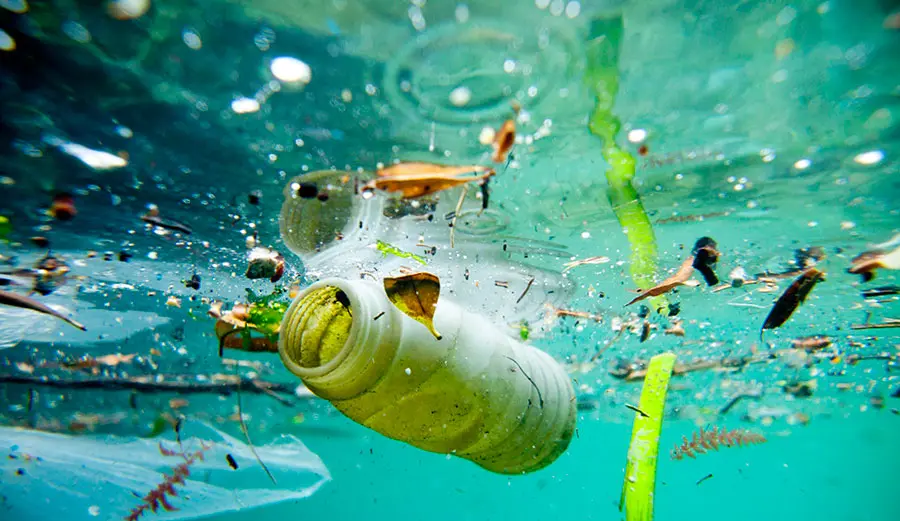
Today, billions of plastic particles have entered the aquatic biomes of our planet. They will infiltrate, pollute, and slowly destroy our world for generations to come. As these plastics are mostly petroleum based, they will stay in these aquatic habitats for centuries. For our research, we wanted to experiment with an alternative biodegradable plastic derived from algae. We created this plastic last year and have tested it for its tensile strength. The results have shown it is relatively durable and can withstand amounts of weight comparable to petroleum plastic. A major quality we want to create in our algae plastic is biodegradability. We are testing this by placing samples of algae plastic into four replicated oceanic ecosystems with Ulva Lactuca (sea lettuce) and Neritina natalensis (Nerite snails) and measuring the weight of each sample weekly. In addition to this, we are also testing the water quality and organism health because we want to see the effect of plastic on the ecosystem. Our results so far have shown qualitative data showing potential degradation of the bioplastic, yet we are continuing our quantitative testing. With algae plastic as a sustainable solution, our generation could preserve our oceans and create a cleaner world for all future generations.
Competition history
- ISEF 2018
Resources
Related projects
ISEF · 2021
Engineering an Invasive Algae and Taro Based Bioplastic
ISEF · 2019
Algal Bioplastics: Developing a Sustainable Cycle of Compostable and Water-Soluble Plastics by Repurposing Waste Products of Algal Biofuel Production
ISEF · 2022
Development of Seaweed Bioplastics to Alleviate Environmental Plastic Pollution
ISEF · 2015
Biodegradable Plastic... Too Good to be True?
ISEF · 2024
Applications of the Engineered Novel Solid and Liquid Bioplastics From Invasive Algae and Waste Corncobs
ISEF · 2026
Sustainable Bioplastics for Marine and Terrestrial Biomes
CWSF · 2026
Gone With The Tide: The Biodegradation of Bioplastics in a Simulated Marine Environment
ISEF · 2020
Bioplastic and Its Impact on Aquatic Ecosystems
Closest projects by meaning, across every fair and year in the corpus.
Browse more like this
Source: Regeneron International Science and Engineering Fair