Extracting Polysaccharides from Rhodophyta Plantae to Make Biodegradable Plastic
Overview
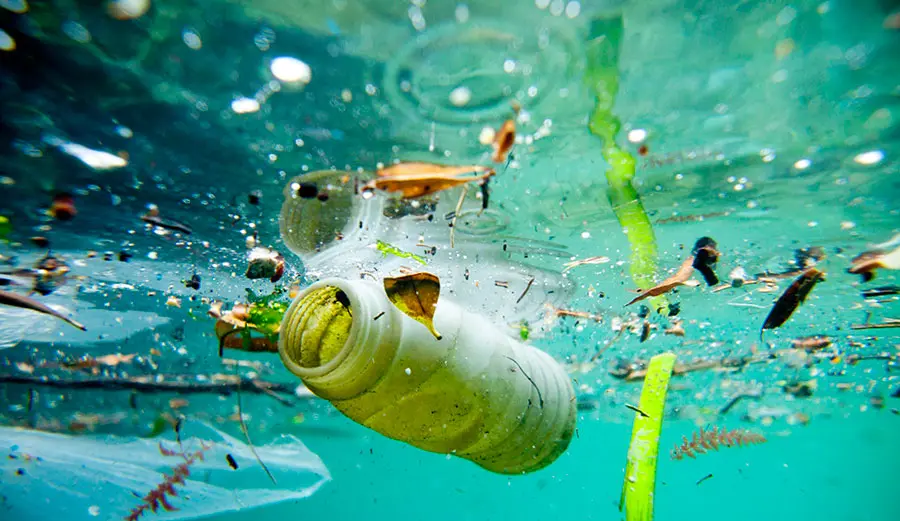
This experiment was designed to combat the problem of plastics staying in the environment for years and harming plant life. In order to make a biodegradable and edible plastic, an ingredient of red seaweed was used since its polysaccharides serve as a natural coagulate. This process began with grinding 2 boiled sheets of the seaweed using an into a fine powder, placing it into a glass tube with 6 ml of water then placing them into a vortex mixer for 30 seconds at speed 7 and then into a centrifuge at speed 6 for 15 min. This was done in order to separate the polysaccharide solution from the cellulose particulates. Once the solution was separated, it was extracted using a pipette and placed into a glass beaker, which was then filtered to get rid of any excess particulates. From there, the solution was placed into an oven at 200 degrees Fahrenheit for 1 hour and 10 minutes to get rid of any excess water, then .15 grams of potassium chloride (kCl) was added to the solution to aid further gelling, then heated on setting 3 on a hotplate where the solution gelled into a plastic. This plastic was then placed into a composting area where it was observed for 4 months. During this 4-month period the seaweed plastic degraded until by the end there was only 2 percent of the plastic left. The plastic not composted was tested with different amounts of hydrochloric acid that coincided with various animal’s stomach content in order to see how long it would take to digest in their stomach if accidentally ingested. The results showed that the digestion time was equal or less of that it would take for normal digestive patterns. From these results it can be concluded that this new plastic is biodegradable as well as edible and will serve as a superior alternative to regular plastic.
Competition history
- ISEF 2019
Resources
Related projects
ISEF · 2025
Biodegradable Algae Plastic
ISEF · 2022
Development of Seaweed Bioplastics to Alleviate Environmental Plastic Pollution
ISEF · 2017
Biodegradable Plastic from Gelidium pusillum
ISEF · 2019
Algal Bioplastics: Developing a Sustainable Cycle of Compostable and Water-Soluble Plastics by Repurposing Waste Products of Algal Biofuel Production
ISEF · 2021
Engineering an Invasive Algae and Taro Based Bioplastic
ISEF · 2022
Engineering of Antimicrobial Bioplastics From Invasive Algae Caulerpa prolifera, Undaria pinnatifida, and Waste Corn Cobs
ISEF · 2024
Applications of the Engineered Novel Solid and Liquid Bioplastics From Invasive Algae and Waste Corncobs
CWSF · 2026
Gone With The Tide: The Biodegradation of Bioplastics in a Simulated Marine Environment
Closest projects by meaning, across every fair and year in the corpus.
Browse more like this
Source: Regeneron International Science and Engineering Fair