Do Plants Absorb Microplastics?
Overview
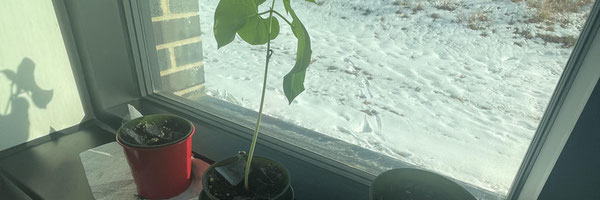
Objectives Microplastics are small pieces of plastic found in the environment and are harmful to animals. I wondered if microplastics could affect plants. The objective of this project was to determine if plants could absorb microplastics through their roots. Methods I used brightly colored plastic beads that could be seen under the microscope to model microplastics found in the environment. I ground up plastic beads and passed them through filters ranging from 150um to 1um. First, I planted cabbage and kale seedlings in planting soil and secondly, I planted them in plant tissue culture medium and then I added microplastics to the soil or medium. To measure if plants absorb microplastics, I either looked at the roots directly under the microscope or chopped them up and looked under the microscope. Results To determine if I could see microplastics on roots with my microscope, I added microplastics to the outside of intact roots or root cross sections or the chopped root preparations. The microplastics were clearly visible on each root preparation. Seedlings were grown for 7-14 days with microplastics, and then removed from the soil, washed, and mounted on microscope slides. I prepared samples from 5 seedlings for both the control and the treated groups. No microplastics were seen on the roots, cross sections, or mashed up roots. To see the roots more clearly in their growing environment, I set up a sterile plant tissue culture system. I grew seedlings in Murashige & Skoog plant media with agar. I repeated the method development with seedlings grown in tissue culture and proven that I could see the microplastics with my microscope. I looked at 5 plants after 7-14 days of exposure to microplastic and saw only some microplastic on the outside. I performed a dye test with food coloring in either water or in agar to show that plants do absorb dyes, and also to determine what molecular weight plants can absorb. Seedlings can absorb food coloring because they changed color on the outside as well as the inside. I demonstrated that kale and cabbage plants can absorb molecules with a molecular weight of about 1000 Daltons. Conclusions Test microplastics were not absorbed in either soil or tissue culture seedlings even though plants can absorb small dye molecules. Microplastics breakdown slowly in the soil and it is possible that these breakdown products could be absorbed.
Summary statement
Plants do not absorb microplastics between 1-150 microns in size even though small dye molecules can be absorbed by roots.
Help received
James Evans, Scientist at Revolution Medicines
Competition history
- CSEF 2019
Resources
Related projects
CSEF · 2018
What Different Types of Microplastic and Biodegradable Plastic Affect Plant Growth the Most?
CSEF · 2019
Effects of Polyethylene Microbeads on Lactuca sativa var. longifolia
ISEF · 2024
Effectiveness of Glycine max on Microplastic Removal From Soil
ISEF · 2018
Microplastics in the Terrestrial Food Chain via Earthworms (Lumbricus terrestris)
CYSF · 2026
How Do Microplastics Affect Plant Growth and Soil Health?
ISEF · 2022
Assessing Microplastic Pervasiveness in Bark
ISEF · 2023
Do Cattle That Graze Off of Farmfields That Have Been Farmed With Plastic Mulch Have Microplastics in Them?
ISEF · 2022
Examining the Effect of a Simulation of Varied Microplastic Types on Rhizophora mangle
Closest projects by meaning, across every fair and year in the corpus.
Browse more like this
Source: California Science & Engineering Fair public projects