Comparing the Potentially Hazardous Chemical Components of Different Types of Drinking Water and the Dangers We Might Not Perceive
Overview
The objective of my project was to test the differences in types of bottled and tap water and develop conclusions on what type of water is best. My hypothesis was that there is not distinct difference in bottled and tap water and no reason why one should be favored over another. I used water test strips to test for chemical components in the waters. Overall, I found that Product 8 and Product 5 water contained the least harmful substances as well as filtered well water. I conducted a survey to find which type of bottled water people found most appealing. 25% of subjects preferred Product 7. However, when given a taste test, one type of water was not favored over another. This concludes that without the packaging, people do not notice the difference between types of water. Advertisements can sway the consumers mind into believing a certain water tastes better, and people become more comfortable consuming the water they want in a specific packaging.The results of this experiment have shown how both tap and bottled water have impurities within them and there is no drastic difference in composition. Plastic water bottles can contribute to pollution and lead to human health problems. Therefore, even though the chemical composition of the types of water was similar and both tap and bottled contained harmful substances, bottled water has that extra risk of the plastic components.
Competition history
- ISEF 2018
Resources
Related projects
ISEF · 2020
Engineering a Filter through 3-D Printing Capabilities in order to Remove Microplastics from Drinking Water
ISEF · 2024
Unraveling the Metal-Water-Daphnia Nexus in Tap Water, Well Water, and Mine Creek Water: Health Effects and Natural Bio-Adsorbents for Water Quality Enhancement
CWSF · 2026
Clearly Contaminated: Using Phase Contrast Microscopy to Reflect Microplastic Reality
ISEF · 2018
Is Your Water Safe to Drink? Development of a Novel Home Test Method to Quantitatively Determine the Concentration of Lead in Water, Phase Two
ISEF · 2016
The Effect of Varying Temperatures on the Release of Antimony within Polyethylene Terephthalate Plastic Beverage Bottles
JSHS · 2020
The Comparison of the Efficiency of two Ion-Exchange Resins In Filtering Chromium-6 From Water
ISEF · 2024
The Impact of Fertilizer on pH and Dissolved Oxygen in Freshwater Ecosystems
CYSF · 2025
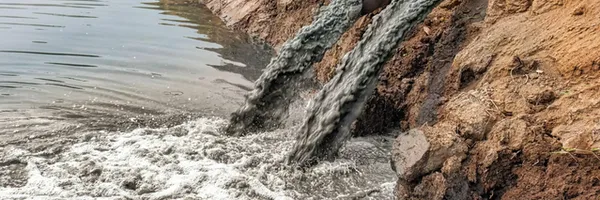
Water contamination
Closest projects by meaning, across every fair and year in the corpus.
Browse more like this
Source: Regeneron International Science and Engineering Fair