Analyzing the Effect of Preservatives on Microbial Growth in Expired and Unexpired Makeup Cosmetics
Overview
Makeup is used worldwide, helping people feel more confident and serving as a tool of self expression. However, there are hygienic concerns regarding its use. This experiment aimed to test whether preservatives are more likely to inhibit microbial growth in expired cosmetics compared to unexpired cosmetics. Research was conducted through a four-week experiment, with optical observations both under the naked eye and through a microscope, alongside statistical analysis using a t-test. The study found no significant correlation between preservatives and microbial growth due to product expiration. This was supported by the t-test results, which yielded a p-value of 0.295, greater than the significance level of 0.05, indicating no statistically significant difference between expired and unexpired makeup products. These findings suggest that factors such as consumer hygiene, packaging, and storage conditions may have a greater impact on microbial growth than preservatives. Further research is needed to draw definitive conclusions, but this study implies that practices such as using clean hands when handling cosmetics and sanitizing surfaces could help reduce microbial contamination in makeup.
Competition history
- ISEF 2025
Resources
Related projects
ISEF · 2026
The Silent Sabotage: Cosmetics vs. the Skin Microbiome
ISEF · 2023
Preventing Food Waste by Testing the Effectiveness of Preservatives
ISEF · 2015
Are the Natural Products Vitamin E Oil, Lemon Juice, Rosemary Extract, Bay Leaves, Birch Bark and Cinnamon, Successful in Delaying Mould Growth on Bread and Brie Cheese?
CYSF · 2026
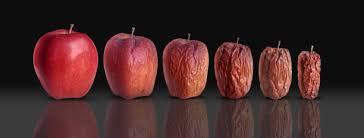
Comparing the Effectiveness of Preservatives: Natural vs Artificial
ISEF · 2015
Usefulness in Daily Life Sometimes Contains Danger: The Impact of Methylparaben to the Ghost Shrimp
ISEF · 2014
Beauty or Beast: A Study of Microbial Growth on Artificial Nails in the Healthcare Field
ISEF · 2025
Fresh or Foe: The Impact of Body Deodorants on Lactobacillus
JSHS · 2020
Effect of Persulfates on the Prevalence of Bacteria on Removable Retainers
Closest projects by meaning, across every fair and year in the corpus.
Browse more like this
Source: Regeneron International Science and Engineering Fair