Acidification: Testing the Effect of Our Ever Changing Environment on Our Oceans and Marine Life
Overview
Our oceans are a precious natural resource, part of Earth's carbon cycle. Each and every day the oceans absorb approximately 1/3 of the carbon dioxide we put into the atmosphere. Because our oceans are able to absorb a good deal of carbon dioxide, it helps with the ever growing concern of Global Warning. When our oceans absorb too much carbon dioxide, it dissolves into seawater and causes the oceans to become an acid. The acid in turn lowers the pH of the ocean water. Since pH is an important component to the health of our oceans; scientist, in recent years, have been concerned that the increased absorption of carbon dioxide is causing them to become more acidic at an alarming rate. More importantly, questions have been raised as to what impact this has on the marine life? In this project, I investigated ocean acidification and tested the effect it has on the shells of oysters to demonstrate the impact it has on the ecosystem. Shells serve as a protective structure for many marine organisms. Marine ecosystems depend upon calcium carbonate to make shells such as coral reefs or oyster beds, and can be greatly impacted by changes in ocean pH due to increased carbon dioxide. If these organisms are unable to build or repair shells, they will likely in time, no longer flourish. Oysters thrive in an environment with a pH close to 8.1. In this project, I simulated an ocean environment with a natural pH of 8.1 and added oyster shells. I also added oyster shells to a simulated ocean environment where the pH was adjusted to 6.1. At the end of three weeks, I compared the weights of the shells to determine if the pH had affected the composition of the shells.
Competition history
- ISEF 2015
Resources
Related projects
ISEF · 2017
Effects of Ocean Acidification on Primary Consumers in a Marine Ecosystem
ISEF · 2023
Preserving Aquatic Life From the Harmful Effects of Ocean Acidification
ISEF · 2019
Saving Our Seas: A Solid Solution to Reducing Carbon Dioxide and Ocean Acidification
ISEF · 2014
Acid Rain... Bad for Coral Reef
CYSF · 2025
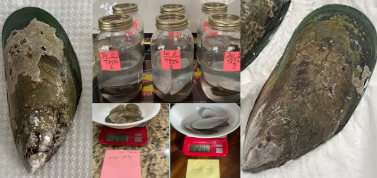
The Silent Crisis: How a Changing Ocean is Eating Away at New Zealand Mussel Shells
ISEF · 2015
Correcting Ocean Acidification with Potassium Carbonate
CYSF · 2025
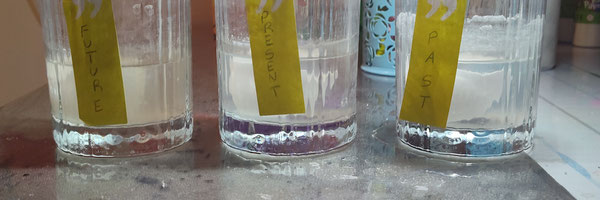
How Does Sea Acidification Affect Shellfish?
ISEF · 2020
Effects of Declining pH Levels of Seawater Caused by Ocean Acidification on Zooxanthellae and Coral Bleaching
Closest projects by meaning, across every fair and year in the corpus.
Browse more like this
Source: Regeneron International Science and Engineering Fair