Earth and Environmental Sciences
Biomass waste is underutilized and frequently burned, used for electricity generation, or left to dispose of itself. This research was conducted to evaluate the potential of a value-added pr…
Earth and Environmental Sciences
Third Award
The use of citizen science has become prominent in studying large-scale environmental issues. Among these issues is urban sprawl, a rapidly growing global trend that is deteriorating drinkin…
AJAS · 2022
Earth Science
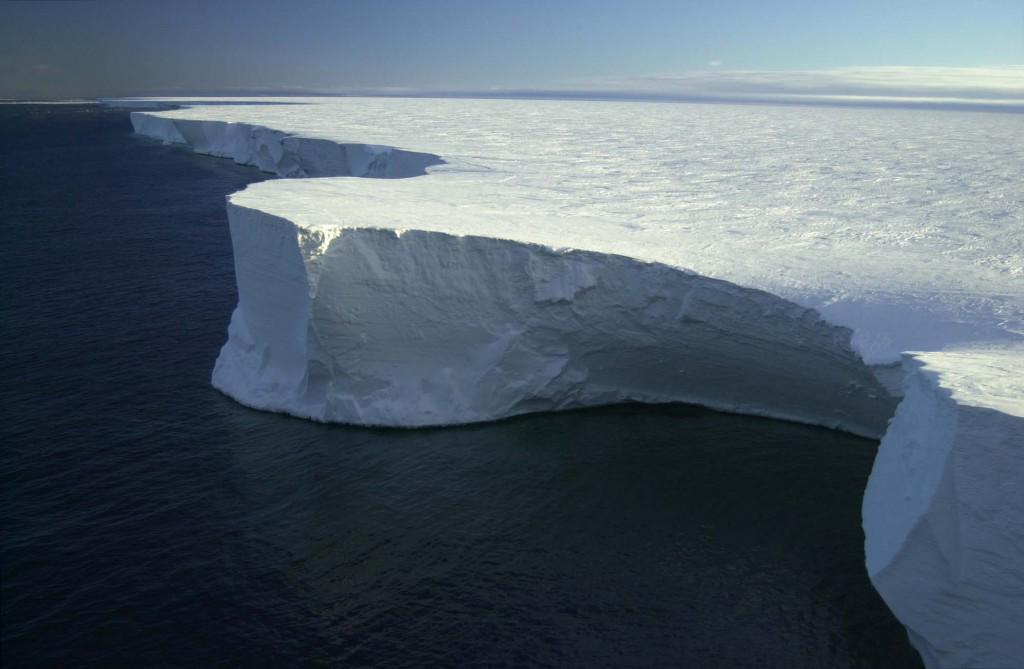
Antarctica’s peripheral ice shelves are a critical component of the ice sheet’s mass balance, contributing to the sensitivity of the Antarctic cryosphere and global sea-level. Despite being…
Earth and Environmental Sciences
Artificial light at night (ALAN) has been a growing environmental concern. In Northwest Ohio, commercial greenhouses and human development near recreational bodies of water, such as Lake Eri…
Earth and Environmental Sciences
Fourth Award
As a member of the Nanticoke Tribe, I am acutely aware that my tribe, along with many other tribes throughout the continent, face a continuous problem due to contamination of their natural w…
Earth and Environmental Sciences
This experiment examined changes in total annual precipitation and average annual temperature and their impacts on the natural carbon sequestration of Pinus Ponderosa. Tree core samples were…
Earth and Environmental Sciences
The study kicked off when curiosity arose as to whether superworm consumption of polyethylene could be a solution to reduce plastic in landfills, based on supporting findings. A question was…
Earth and Environmental Sciences
Over the past 50 years, the use of hydraulic fracturing or fracking has increased as the demand for fossil fuels has increased and the process is more efficient at extracting oil and natural…
Earth and Environmental Sciences
For more than a decade, the Tarrytown Reservoirs have had a severe algae problem which has resulted in an imbalanced ecosystem and an unpleasant aesthetic. The problem has been managed with…
Earth and Environmental Sciences
This study examines carbon sequestration by Nannochloropsis algae when cultivated in solutions with different pH levels. If Nannochloropsis is grown in a solution with a pH between 7.5 and 8…
Earth and Environmental Sciences
Imagine aquatic life like fish, crawdads, and tadpoles dead on the side of the creek bed. What we dispose of into our waterways matters. Filling the water with surfactants from products like…
Earth and Environmental Sciences
Fourth Award
To better understand the manner of phytoplankton decline due to climate change, this study explored changes in phytoplankton community composition during the spring phytoplankton bloom in th…
Earth and Environmental Sciences
This research applies to the role of Chlorella sp. as a second-generation biofuel which is a possible alternative to fossil fuels. Its biodiversity allows the algae to be sustainable as well…
Earth and Environmental Sciences
An experiment was conducted to study the impact of dyes on water quality. Untreated dye wastewater causes hypoxia, and a lower living standard for populations relying on the body of water. T…
Earth and Environmental Sciences
This experiment will determine if different nitrogen:phosphorus:potassium ratios limit the growth of algae in wetland water. We hypothesized that if we test the effects of varying NPK ratios…
Earth and Environmental Sciences
Since 1991, the Lead and Copper Rule (LCR) enacted by the Environmental Protection Agency (EPA) aimed to provide regulation for lead (Pb) and copper (Cu) in public water systems (PWS). Durin…
Earth and Environmental Sciences
Second Award
Low-frequency noise from marine shipping is an underwater acoustic pollutant in oceans. The noise spectrum overlaps with frequencies marine mammals use to communicate and navigate, leading t…
Earth and Environmental Sciences
The COVID-19 pandemic disease is caused by severe acute respiratory syndrome 2 (SARS-CoV-2). Sewage testing has been successfully used for the detection of viruses causing human diseases, su…
Earth and Environmental Sciences
Enterococci is a bacteria that is found in animal feces and is used by scientists as a measure of water quality. The Environmental Protection Agency (EPA) associates high enterococci colony…
Earth and Environmental Sciences
Each year now, Luxembourgish wildlife is threatened by toxic Cyanobacteria that poisons the water of the biggest lake, The Upper Sure Lake, causing the local tourism sector to be slowed due…
Earth and Environmental Sciences
Third Award
In the troposphere, ozone is a harmful secondary pollutant formed by chemical reactions between nitrogen oxides (NOx) and volatile organic compounds (VOCs). In 2020, COVID-19 lockdowns broug…
Earth and Environmental Sciences
In the previous decade, cyanobacteria blooms in rivers have grown in both intensity and frequency due to climate change and water pollution, which are results of human activity. These blooms…
AJAS · 2022
Earth Science
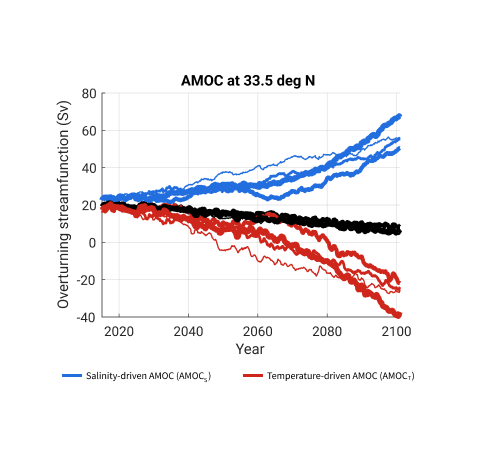
The Atlantic Meridional Overturning Circulation (AMOC) is an ocean circulation system important in regulating the global climate and is projected to weaken due to human-driven climate change…
AJAS · 2022
Environmental Science
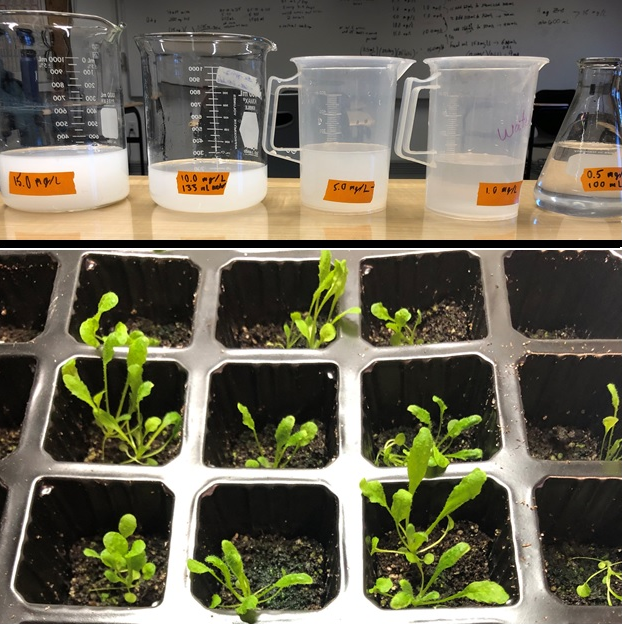
The increase in greenhouse gases which causes global warming can also lead to a decrease in the nutrient content of crops, which can impact global malnutrition. Zinc is one of the plant micr…
Earth and Environmental Sciences
Third Award
The purpose of this project was to determine if vertical migration occurs among any of the zooplankton populations in the littoral zone of Lake Springfield. Samples were collected on five se…