Cellular and Molecular Biology (inferred)
In a recent study, 33% of individuals with neurodevelopmental disorders (NDDs) carried mutations in ASXL3, whose function is unknown. To understand ASXL3’s role in NDDs, we used CRISPR tec…
Cellular and Molecular Biology (inferred)
Cell cycle regulation is essential for both cell health and cancer prevention. Saccharomyces cerevisiae, or budding yeast, is a great model organism for studying the cell cycle because of it…
Cellular and Molecular Biology (inferred)
T cell exhaustion is a hypofunctional fate observed in cancer that causes loss of full mitochondrial function. Preventing T cell exhaustion could sustain the immune system’s anti-tumor respo…
AJAS · 2022
Cellular Science
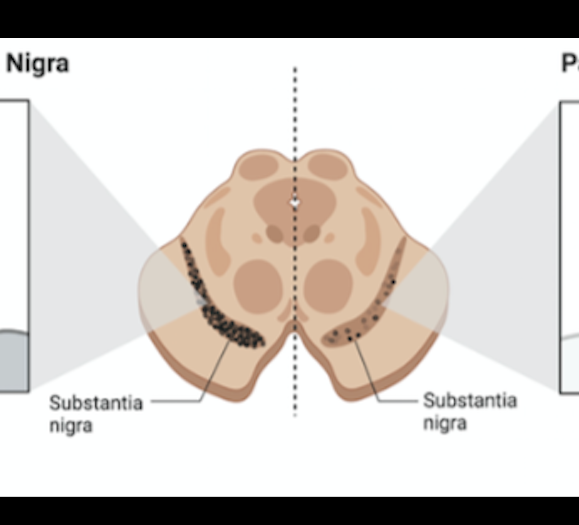
Parkinson’s Disease (PD), a neurodegenerative disorder, is caused by the death of dopaminergic neurons in the substantia nigra. Caffeine exposure is suggested to mitigate the PD onset and pr…
AJAS · 2022
Cellular Science
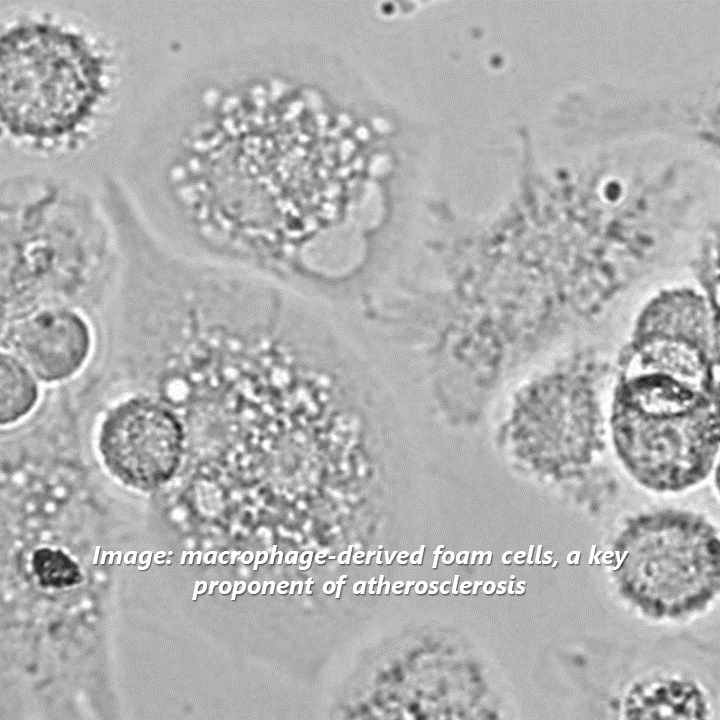
Atherosclerosis is an immunoinflammatory disease characterized by low-density lipoprotein (LDL) accumulations within arterial walls. These buildups can cause ischemic conditions within the c…
AJAS · 2022

Cellular Science
Potential Role of Glyphosate in Human Cancers Glyphosate is the most used herbicide in the world and was classified as a carcinogen by the EPA in 1985 and ever since, there has been research…
AJAS · 2022
Cellular Science
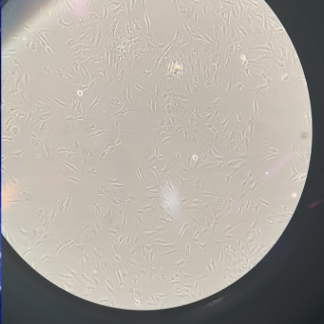
Cartilage, when subjected to low-gravity environments, tends to degrade or weaken. A cell rocker was used to simulate the effects of microgravity through the use of fluid shear tension’s pro…
Cellular and Molecular Biology (inferred)
Optogenetics is a new field of study which uses a combination of techniques from optics and genetics to control and monitor the activities of individual neurons in living tissue. It had been…
Cellular and Molecular Biology (inferred)
Polycyclic aromatic hydrocarbons (PAHs) are chemical compounds ubiquitous in the environment; many of which are known human and animal carcinogen. The purpose of this study was to investigat…
Cellular and Molecular Biology (inferred)
The synaptic hub protein Munc13 plays a pivotal role in almost all known forms of fast chemical synaptic transmission. This essential protein has also been shown to mediate several forms of…
Cellular and Molecular Biology (inferred)
Alzheimer’s disease (AD) currently remains the sixth leading cause of death in the US. Despite decades of research devoted to understanding AD, a cure does not exist. Many researchers have f…
Cellular and Molecular Biology (inferred)
Natural killer (NK) cells are ideal candidates for new cancer treatment methods. Roughly 1 million NK cells can be recovered from 10 mL of blood from a healthy donor. Treating one cancer pat…
Cellular and Molecular Biology (inferred)
The World Health Organization (WHO) has stated that cancer is one of the greatest threats to humanity, with 8.3 million people dying of cancer each year and an expected 70% increase in cases…
Cellular and Molecular Biology (inferred)
Molybdenum is an essential trace element. In biological systems it exists as Molybdenum Cofactor (MoCo), the synthesis of which is performed by Gephyrin. Mutations in human Gephyrin lead to…